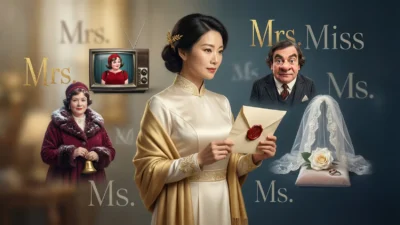
Definition: Ms. is a modern English title used for women regardless of marital status. Pronounced “Miz,” it serves as a neutral and respectful alternative to “Miss” (for unmarried women) and “Mrs.” (for married women).
It can be used in professional emails, letters, introductions, and social settings where marital status is unknown or irrelevant. Popular figures and media, such as Ms. Rachel, Ms. Pat, and fictional characters like Ms. Marvel or Ms. Frizzle, showcase its versatility.
In English, addressing someone correctly reflects respect, professionalism, and awareness of modern social norms.
One title that often causes confusion is Ms. Unlike “Miss” or “Mrs.,” which indicate marital status, Ms. is a gender-neutral, marital-status-neutral title that can be used for any woman.
This guide will explain the meaning, history, pronunciation, and proper etiquetteof Ms., highlight the difference between Miss, Mrs., and Ms., and provide practical examples to ensure correct usage—whether referring to Ms. Pat, Ms. Rachel Tonie, or even fun references like Welcome to Japan, Ms. Elf!
What Does Ms. Mean?
Ms. is a title used before a woman’s last name that does not indicate marital status. Unlike Miss, used for unmarried women, or Mrs., used for married women, Ms. can be applied to any woman.
Pronunciation: “Miz”, rhymes with “his.”
Why Use Ms.?
- Neutrality: Avoid assumptions about marital status.
- Professionalism: Standard in workplaces, official documents, and formal correspondence.
- Respect: Reflects modern social norms.
Examples of Ms. in Sentences
- I sent an email to Ms. Johnson regarding the meeting.
- Ms. Parker will present the report tomorrow.
- Addressing a client whose marital status is unknown? Use Ms..
- Ms. Lee has been recognized for her outstanding work.
- Ms. Pat stars in a show that reflects real-life experiences.
History of Ms.
Ms. was created as a neutral alternative to “Miss” and “Mrs.” in the 20th century.
Origin and Popularization
- Early 1900s: Private use, but not widespread.
- 1970s: Feminist movement popularized Ms. as a symbol of gender equality and independence.
- Media Adoption: Magazines and newspapers began using Ms., including references to celebrities like Ms. Rachel.
- Government & Business: Over time, it became standard in formal correspondence and professional settings.
Why History Matters
Understanding the history of Ms. shows it is more than a title—it represents equality and respect.
Ms. vs. Miss vs. Mrs. – What’s the Difference?
| Title | Marital Status | Usage | Example |
| Miss | Unmarried woman | Traditional, polite | I invited Miss Taylor to the ceremony. |
| Mrs. | Married woman | Indicates marriage | Mrs. Johnson attended the meeting with her husband. |
| Ms. | Neutral / unknown | Any woman | I emailed Ms. Parker about the project. |
Key Points:
- Miss emphasizes unmarried status, often outdated professionally.
- Mrs. emphasizes marriage and often links identity to a spouse.
- Ms. avoids assumptions, ideal for professional, formal, or social settings.
Practical Examples:
- Email: Dear Ms. Williams, I am writing regarding our meeting.
- Invitation: We are pleased to invite Ms. Gonzalez.
- Introductions: This is Ms. Brown, our new manager.
When Should You Use Ms.?
Professional Settings
- Emails, letters, and official documents: Dear Ms. Thompson, regarding your application.
- Business meetings and presentations: Please welcome Ms. Carter, our marketing director.
Formal Social Events
- Invitations: You are cordially invited, Ms. Martinez.
- Award ceremonies: Shows respect without focusing on personal life.
When Marital Status is Unknown or Irrelevant
- Default to Ms. when unsure.
- Example: I spoke with Ms. Nguyen about joining the project team.
Academic & Legal Communication
- Professors, researchers, or lawyers use Ms. to maintain neutrality.
Common Mistakes to Avoid
- Assuming marital status – Use Ms. if unknown.
- Mispronouncing – Say “Miz,” not “Miss.”
- Using Ms. only professionally – Can be used socially in formal settings.
- Overusing in informal settings – Friends/family can use first names.
- Using Ms. without a last name – Always pair with surname.
Tip: When in doubt, default to Ms..
Ms. in Modern Culture and Media
Ms. is a symbol of respect and modern etiquette.
Media & Pop Culture
- Newspapers, magazines, and online publications use Ms. to avoid marital assumptions.
- Fictional characters like Ms. Marvel, Ms. Frizzle, or shows like The Ms. Pat Show demonstrate modern usage.
- References in music and pop culture, e.g., Bhad Bhabie Ms. Whitman lyrics, reflect its ubiquity.
Professional Adoption
- Standard in emails, reports, and corporate communication.
Famous Figures
- Ms. Pat, Ms. Rachel Tonie, and public figures demonstrate use of Ms. to assert neutrality and respect.
How to Address Someone as Ms. Correctly
Emails
- Formal: Dear Ms. Thompson, I am writing…
- Avoid first names unless invited.
Letters
Dear Ms. Brown,
I am writing regarding your guidance on the project.
Sincerely,
[Your Name]
In-Person Introductions
- This is Ms. Rivera, our new marketing manager.
Professional Meetings
- Thank you for your presentation, Ms. Lewis.
When in Doubt
- Default to Ms.; it is neutral, polite, and widely accepted.
Tips: Pair with last name, pronounce “Miz,” avoid combining with first names in formal contexts.
Examples of Using Ms. in Sentences
- I emailed Ms. Johnson yesterday.
- Ms. Parker will lead the project.
- Addressing unknown marital status? Use Ms.
- Ms. Lee has been promoted.
- Ms. Pat stars in a comedy show.
- Ms. Rachel helped organize the charity event.
- Welcome to Japan, Ms. Elf!
- Ms. Gonzalez received the award.
- Ms. Miller coordinates all office events.
- Ms. Davis provided feedback on the proposal.
- Ms. Williams contributed significantly to the team.
- Introducing colleagues: This is Ms. Clark.
- Ms. Patel will present next week.
- Professors addressing letters: Dear Ms. Adams.
- Unsure? Always default to Ms..
Pronunciation Tips for Ms.
- Correct: “Miz”, rhymes with “his.”
- Common mistakes: Saying “Miss” or overemphasizing the “s.”
- Memory tip: Ms. rhymes with his.
- Practice: “I emailed Ms. Roberts” → “Miz Roberts”
FAQs About Ms.
- Can Ms. be used for young women? Yes, for women of any age.
- Is Ms. outdated? No, it is modern and widely used.
- How to address someone if unsure? Default to Ms.
- Can men use Ms.? No, men use Mr.
- Pronunciation? “Miz”
- Informal usage? Use first names with friends/family.
- Ms. vs Mrs.? Mrs. = married; Ms. = neutral.
- Ms. vs Miss? Miss = unmarried; Ms. = neutral.
Conclusion
The title Ms.is a symbol of respect, neutrality, and modern etiquette. Unlike Missor Mrs., it can be used for any woman, regardless of marital status.
Using Ms.correctly paired with a last name, pronounced “Miz,” and applied in formal emails, letters, or introductions avoids assumptions, prevents misunderstandings, and shows professionalism and respect.
From Ms. Pat and Ms. Rachel Tonie to pop culture icons like Ms. Marvel or Ms. Frizzle, the title demonstrates equality, inclusivity, and social awareness.
By understanding its meaning, history, pronunciation, and proper usage, you can communicate confidently and respectfully in any situation.
Read More Articles: