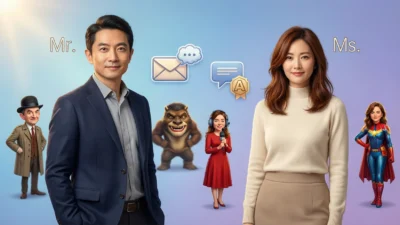
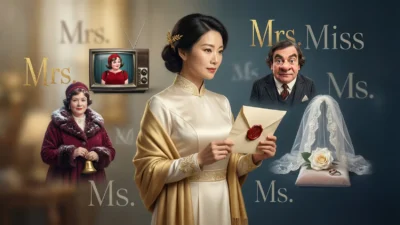
Definition: Mr. is an English honorific or title used before a man’s last name or full name to show respect and formality. It is the abbreviation of “Mister” and is commonly used in professional, social, and cultural contexts.
Proper usage depends on etiquette rules, cultural norms, and context, from emails and letters to casual or playful references in pop culture.
The title “Mr.” is far more than just a simple prefix—it is a mark of respect and professionalism that has evolved over centuries.
From formal letters and business emails to casual social introductions, using Mr. correctly demonstrates etiquette, clarity, and social awareness.
Originating from the word “Mister” in medieval England, this title replaced “Master” as the standard prefix for adult men by the 18th century.
In modern times, Mr. appears not only in professional or formal contexts but also in pop culture references, literature, and entertainment.
From iconic characters like Mr. Darcy and Mr. Bean to TV shows and music such as Kendrick Lamar’s Mr. Morale and the Big Steppers, the title remains widely recognized.
Understanding its correct use, historical background, and modern etiquette ensures your communication is polished, respectful, and universally understood.
What Does “Mr.” Mean?
What “Mr.” Stands For
- Mr. is short for “Mister.”
- Always capitalize the “M” and include a period in American English.
- Used before a man’s last name or full name to show respect.
- Example Mr. John Smith, Mr. Cooper.
- Example Mr. John Smith, Mr. Cooper.
Historical Background of “Mr.”
- Originated in 14th-century England from the term “Master.”
- By the 18th century, Mr. became the standard formal prefix for adult men across social classes.
- It signaled respect and social recognition in both professional and personal correspondence.
Cultural Significance
- Using Mr. properly conveys professionalism, politeness, and cultural awareness.
- Globally, the title appears in pop culture Mr. Robot, Mr. & Mrs. Smith (2024 TV Series), and even classic literature like Fantastic Mr. Fox.
- Example In literature, The Talented Mr. Ripley uses the title to indicate sophistication and status.
When and How to Use “Mr.”
Formal Usage of “Mr.”
- Business emails, letters, and reports Dear Mr. Thompson,
- Invitations and formal events Mr. Robert Smith is cordially invited.
- Academic or professional contexts Mr. Cooper (teacher) or Mr. Mercedes (literature/TV).
Informal Usage
- Can be playful or polite in casual communication.
- Example Thank you, Mr. Alex!
- Example Thank you, Mr. Alex!
- In pop culture or entertainment, informal usage often appears humorously Mr. Deeds, Mr. Villain’s Day Off, or Mr. Beast’s playful persona.
Using “Mr.” With Names
- Last Name Only Mr. Johnson ✅
- Full Name (Formal) Mr. John Johnson ✅
- First Name Only Mr. John ❌ (informal, rarely used professionally)
- Avoid combining Mr. with other titles Mr. Dr. Smith ❌
Mr. vs Mrs., Miss, Ms., and Mx.
Understanding Gendered Titles
- Mr. – Male, any marital status
- Mrs. – Married women
- Miss – Unmarried women
- Ms. – Neutral, professional option
- Mx. – Gender-neutral title
Modern Alternatives and Inclusivity
- Mx. and Ms. are recommended for professional inclusivity.
- Respecting preferred titles is crucial in global communication.
Quick Reference Table
| Title | Gender | Marital Status | Example |
| Mr. | Male | Any | Mr. Cooper |
| Mrs. | Female | Married | Mrs. Smith |
| Miss | Female | Unmarried | Miss Brown |
| Ms. | Female | Any | Ms. White |
| Mx. | Any | Any | Mx. Taylor |
Common Mistakes When Using “Mr.”
Punctuation Errors
- Use Mr. with a period (American English).
- Example ✅ Mr. Bean | ❌ Mr Bean
Name Placement Errors
- Last name or full name is correct; first name alone is not.
- Example Mr. Deeds, Mr. Clean ✅ | Mr. John ❌
Cultural Misunderstandings
- Titles vary internationally; some countries prefer academic or professional titles over Mr.
Informal Misuse
- Avoid overuse in casual messaging, unless playful Thanks, Mr. Beast!
Modern Etiquette for “Mr.”
Professional Settings
- Use Mr. + Last Name for emails, letters, and introductions Dear Mr. Mercedes,
- Avoid stacking titles.
Digital Communication
- Initial professional emails use Mr. + Last Name.
- After rapport is built, first names may be used.
Casual or Social Settings
- Optional in friendly communication Thanks, Mr. Cooper!
- Can be used humorously in pop culture references Mr. Villain’s Day Off, Mr. & Mrs. Smith.
Fun Facts and Interesting Uses of “Mr.”
Famous Characters in Literature
- Mr. Darcy, The Talented Mr. Ripley, Fantastic Mr. Fox
Pop Culture References
- TV & Film Mr. & Mrs. Smith (2024 TV Series), Mr. Robot, Mr. Bean
- Music Kendrick Lamar’s Mr. Morale and the Big Steppers, The Killers – Mr. Brightside lyrics
- Entertainment & Media Mr. Beast, Mr. Clean, Mr. Hands
Historical Anecdotes
- Originated from “Master” in medieval England
- Became standardized by 18th century
Fun Facts & Quirky Uses
- Used playfully in nicknames Mr. Villain’s Day Off, Mr. Deeds
- Appears in memes, jokes, and pop culture queries How did Mr. Krabs die?, Mr. Krabs
FAQs About “Mr.”
What is the Female Equivalent of Mr.?
- Ms., Mrs., Miss depending on context
Can You Use Mr. With Full Name or Last Name Only?
- ✅ Mr. Cooper, Mr. Mercedes
- ❌ Avoid using first names alone professionally
Is Mr. Used in Every Culture?
- Recognized in English-speaking countries; other cultures have equivalents
When Should You Avoid Using Mr.?
- Don’t use with higher titles Dr., Prof., Hon.
How Has the Usage of Mr. Changed Over Time?
- From Master in medieval England → Modern professional & casual use
Practical Tips for Using “Mr.” Correctly
Do’s and Don’ts
Do Capitalize “M,” use with last name, check cultural norms, respect inclusivity.
Don’t Combine titles, use with first name alone, overuse in casual contexts.
Quick Memory Hacks
- Mr. = Male → Last Name
- One title per person
- Default to Ms. or Mx. for women/neutral
Examples in Real Life
- Emails Dear Mr. Thompson,
- Invitations Mr. Robert Smith is invited
- Playful Thanks, Mr. Beast!
Conclusion
The title “Mr.” is a versatile, respectful, and widely recognized honorific.
From Mr. Cooper in classrooms to Mr. Robot in TV, from literary icons like The Talented Mr. Ripley to pop culture figures like Mr. Beast or Mr. Clean, the title remains deeply embedded in English communication.
Using Mr. correctly—whether in professional emails, casual messaging, or cultural references—demonstrates respect, clarity, and social awareness.
By following the practical tips, etiquette rules, and examples shared, you can confidently apply Mr. in any context while avoiding common mistakes.
Read More Articles: