Quick Answer: “Plead the Fifth” refers to invoking the Fifth Amendment of the United States Constitution, which protects individuals from self-incrimination.
Have you ever heard someone say, “I’ll plead the Fifth,” and wondered what does plead the fifth mean or why people use it? This well-known phrase comes from the Fifth Amendment, one of the most important protections in U.S. law.
It gives individuals the right to avoid answering questions that might incriminate them, ensuring fairness in legal proceedings.
Although the phrase is commonly used in courtrooms, news stories, and political discussions including debates about how many times public figures or politicians have pleaded the Fifth it has also become part of everyday language and internet culture.
Today, you may see an “I plead the fifth meme,” hear a song like “Plead the Fifth” by Cooper Alan, or encounter humorous responses online.
This guide explains the full plead the fifth meaning, including legal context, slang usage, examples, myths, and modern relevance.
Origin of the Phrase: The Fifth Amendment Explained
The expression “plead the Fifth” comes from the Fifth Amendment of the United States Constitution, ratified in 1791. This amendment protects individuals from being forced to testify against themselves in criminal cases.
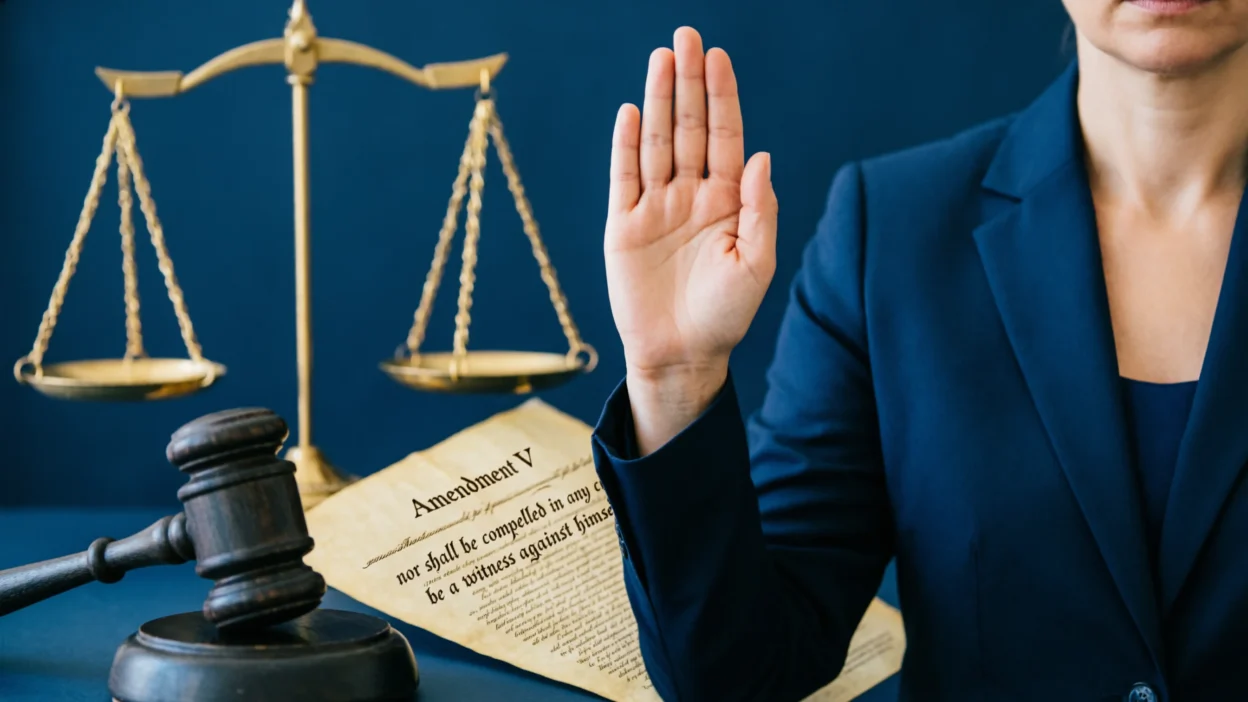
The key clause states:
No person shall be compelled in any criminal case to be a witness against himself.
This protection prevents forced confessions and ensures that individuals cannot be legally pressured into providing evidence that could lead to criminal punishment.
Over time, invoking this right became known as pleading the Fifth Amendment, and the phrase eventually entered mainstream language beyond legal contexts.
What Does Self-Incrimination Mean?
Self-incrimination happens when a person provides information that could prove their own involvement in a crime.
Examples include:
- Admitting illegal activity during questioning
- Providing testimony that could lead to criminal charges
- Revealing information that investigators could use as evidence
The Fifth Amendment exists to prevent people from being forced into self-incrimination. This right helps maintain fairness and protects individuals from coercion.
When Can You Plead the Fifth?
Many readers ask: can you plead the fifth in court or in other situations? The answer is yes but only under certain conditions.
Criminal Trials
Defendants and witnesses may refuse to answer questions that could incriminate them.
Police Questioning
Individuals can invoke the Fifth Amendment during interrogations.
Congressional Hearings
Public figures sometimes plead the Fifth during investigations.
Civil Cases
Yes can you plead the fifth in a civil case? In some situations, if answers could expose you to criminal liability.
Depositions and Legal Interviews
Witnesses may invoke the Fifth Amendment when testimony could lead to criminal charges.
When Can You Not Plead the Fifth?
People often wonder: when can you not plead the fifth?
You generally cannot invoke it when:
- The question cannot incriminate you
- You have been granted immunity
- The context is non-legal and carries no legal risk
The right specifically protects against self-incrimination not general refusal to answer.
How Does Pleading the Fifth Work Legally?
Invoking the Right
You can say:
- “I plead the Fifth.”
- Or reference the Fifth Amendment directly.
Your attorney may also invoke it on your behalf.
Legal Limits
You must answer non-incriminating questions.
Court Procedure
Judges evaluate whether invoking the Fifth is valid and may block further questioning.
Important Note
Pleading the Fifth is NOT an admission of guilt it is a legal safeguard.
Real-Life Plead the Fifth Example
Here are some realistic examples:
- A witness in a fraud case refuses to answer financial questions.
- A suspect declines to discuss events during police interrogation.
- A public official invokes the Fifth Amendment during a hearing.
Many people also ask historical questions like how many times did Trump plead the Fifth, highlighting how widely the phrase appears in political discussions.
Can Pleading the Fifth Be Used Against You?
In criminal trials:
✅ Jurors cannot assume guilt based on silence.
In civil cases:
⚠️ Courts may sometimes draw negative inferences, but the constitutional protection still applies.
Common Myths About Pleading the Fifth
Myth: Only guilty people plead the Fifth
False innocent individuals often invoke it to avoid legal risk.
Myth: You must say exact words
No you just need to clearly assert the right.
Myth: It applies worldwide
The Fifth Amendment is specific to U.S. law.
Difference Between Pleading the Fifth and Remaining Silent
| Pleading the Fifth | Remaining Silent |
| Constitutional protection | General choice |
| Legal invocation | Informal silence |
| Protects against self-incrimination | May not legally protect you |
This distinction connects to Miranda rights but is broader in scope.
Related Legal Terms You Should Know
- Self-incrimination
- Miranda rights
- Witness immunity
- Testimony
- Due process
These concepts help clarify the full meaning of pleading the Fifth Amendment.
What Does Plead the Fifth Mean in Slang?
Outside law, the phrase has become slang.
When someone says:
👉 “I’ll plead the fifth.”
They usually mean:
- I’m not answering that.
- I’m avoiding the question.
- I want to keep this private.
This informal usage appears in jokes, memes, and social media.
Examples:
- “Who ate the cake?” “I plead the Fifth!”
- “Did you indulge that entire show?” “I plead the Fifth.”
Pop Culture and Everyday Usage
The phrase is widely used beyond legal settings.
Internet Culture
- The “I plead the fifth meme” is common online.
Music
Some readers search for:
- Cooper Alan plead the fifth
- plead the fifth song
- plead the fifth lyrics
- cooper alan plead the fifth lyrics
These show how the phrase has crossed into entertainment and popular music.
Casual Speech
People may jokingly use phrases like:
- “I plead the 2nd” (a humorous incorrect version referencing another amendment).
Example Sentences Using “I Plead the Fifth”
Legal Examples
- The defendant chose to plead the Fifth during questioning.
- The witness invoked the Fifth Amendment.
Casual Examples
- “Did you skip work?” “I plead the Fifth.”
- “Who broke the vase?” “I plead the Fifth!”
I Plead the Fifth Meaning Translations and Variations
Readers often ask:
- what does i plead the fifth mean
- what is i plead the fifth
- i plead the fifth response
- i plead the fifth in Spanish
In Spanish, a similar concept might be expressed as:
👉 “Invoco la Quinta Enmienda.”
Why Is the Fifth Amendment Important Today?
The Fifth Amendment continues to:
- Protect civil liberties
- Prevent forced confessions
- Ensure fair legal procedures
Its ongoing use in courts, politics, and public discourse demonstrates its lasting importance.
FAQs About Pleading the Fifth
What does it mean when you say “I’ll plead the fifth”?
It means you are refusing to answer to avoid self-incrimination or, casually, avoiding a question.
Can innocent people plead the Fifth?
Yes.
What is plead the fifth?
It is invoking the Fifth Amendment right against self-incrimination.
When can you plead the fifth?
When answering could expose you to criminal liability.
Conclusion
Pleading the Fifth is a powerful constitutional protection rooted in the Fifth Amendment. It allows individuals to avoid self-incrimination and ensures fairness within the legal system.
While originally a courtroom phrase, it has evolved into slang, memes, music references, and everyday speech.
Understanding what it means to plead the Fifth helps clarify legal rights, avoid misconceptions, and recognize its role in modern culture.
If used formally in court or casually among friends, the phrase remains a powerful reminder of constitutional protections and personal freedom.