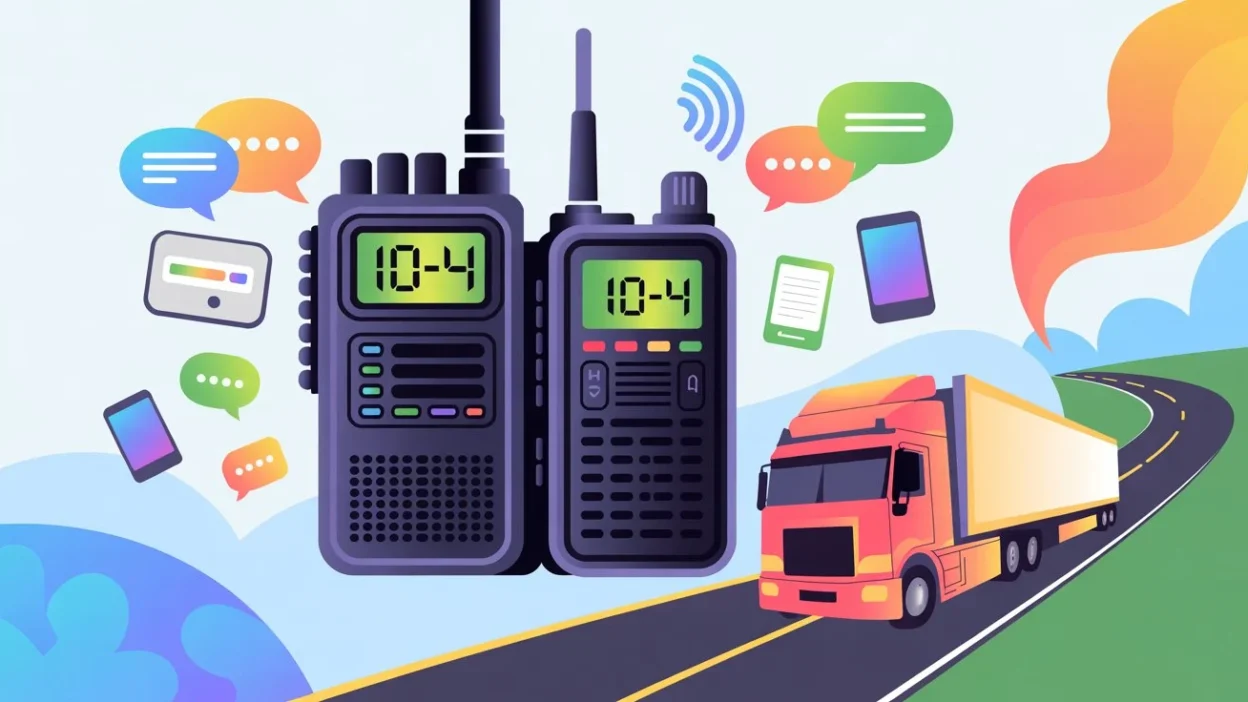
Have you ever heard someone say “10-4” and wondered what it actually means? Whether on a CB radio, in a police dispatch, or even in texting, this short code has become a widely recognized way to acknowledge messages or show understanding.
The term 10-4 originated from the 10-codes system, created to make radio communication faster, clearer, and more efficient. Truckers, law enforcement officers, and emergency responders all use it to confirm that a message was received.
Over time, 10-4 entered pop culture, appearing in movies, TV shows, and social media, becoming part of everyday language.
In this guide, we’ll explore the history of 10-4, its meaning in CB radios, police codes, and texting, and some interesting fun facts that make this simple code a cultural icon.
Origin of 10-4
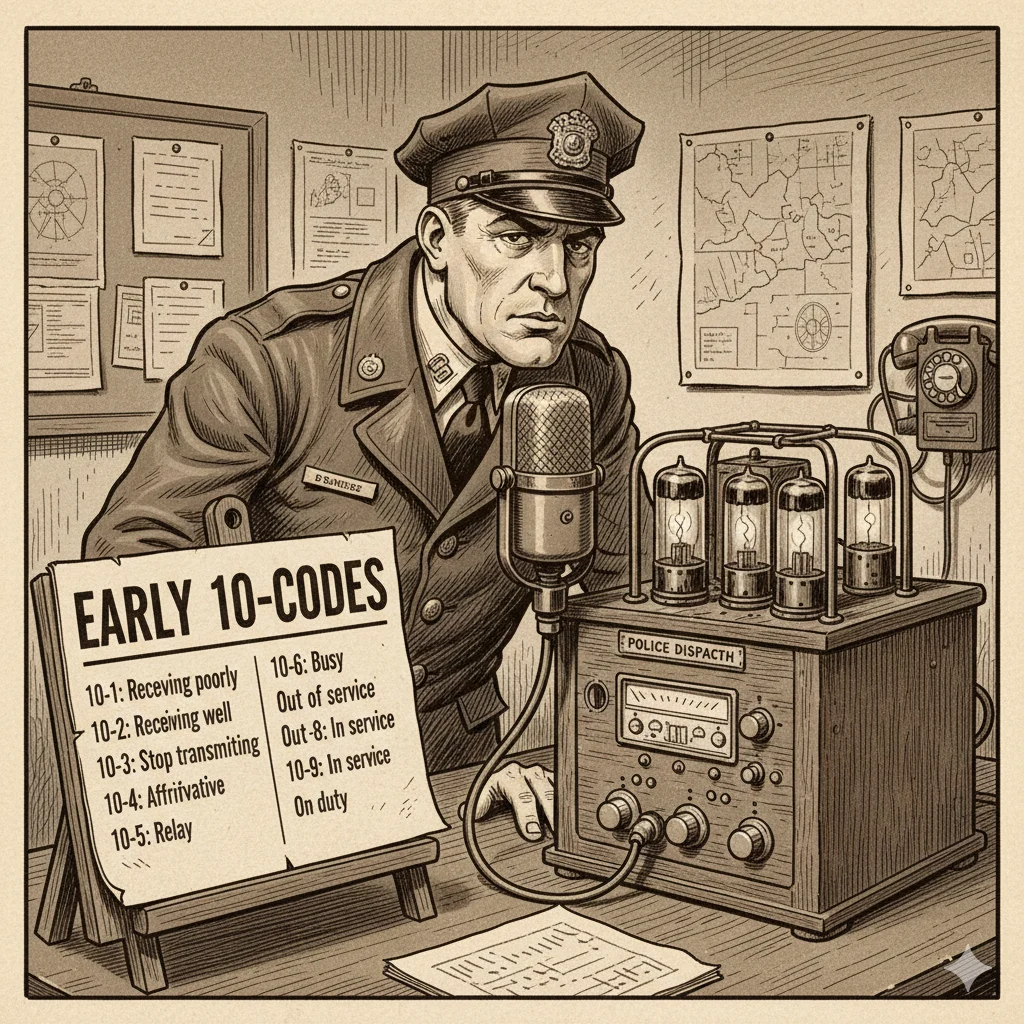
The phrase 10-4 comes from the 10-codes system, developed in the 1930s by U.S. police officers to standardize and simplify radio communication. Each code paired the number 10 with another number to convey a specific meaning.
- 10-4: Acknowledgment or message received
- 10-7: Out of service
- 10-20: Location
Originally, 10-4 meant “Message received”, allowing officers to confirm instructions without lengthy radio chatter. Its use spread to CB radios in the 1970s, popularized by truckers who valued its brevity and clarity. Over time, 10-4 became a familiar term, not just for professionals but for anyone exposed to CB culture or pop media.
10-4 Meaning in CB Radio

In CB radio conversations, 10-4 is one of the most recognizable codes. It signals understanding or agreement quickly and efficiently.
Examples in CB radio:
- Trucker 1: “Heavy traffic ahead on Route 66.”
- Trucker 2: “10-4, thanks!”
CB users often pair 10-4 with other codes, such as 10-20 (location):
- “10-20 at Mile Marker 45, 10-4?”
CB radio culture also added a friendly tone: phrases like “10-4, good buddy” became iconic, blending practicality with camaraderie. This popularity helped 10-4 enter mainstream awareness, even for people who never used a CB radio.
10-4 Meaning in Police and Emergency Services

In law enforcement and emergency services, 10-4 is a key radio code. It confirms that a message or instruction has been acknowledged.
Example in practice:
- Officer: “Suspect heading north on Main Street.”
- Dispatcher: “10-4.”
Other 10-codes commonly used:
- 10-7: Out of service
- 10-8: In service / available
- 10-9: Repeat message
- 10-20: Location
These codes allow clear, efficient communication, reducing errors during critical situations. Even today, while some agencies have moved to plain language, 10-4 remains widely recognized among professionals.
10-4 in Pop Culture
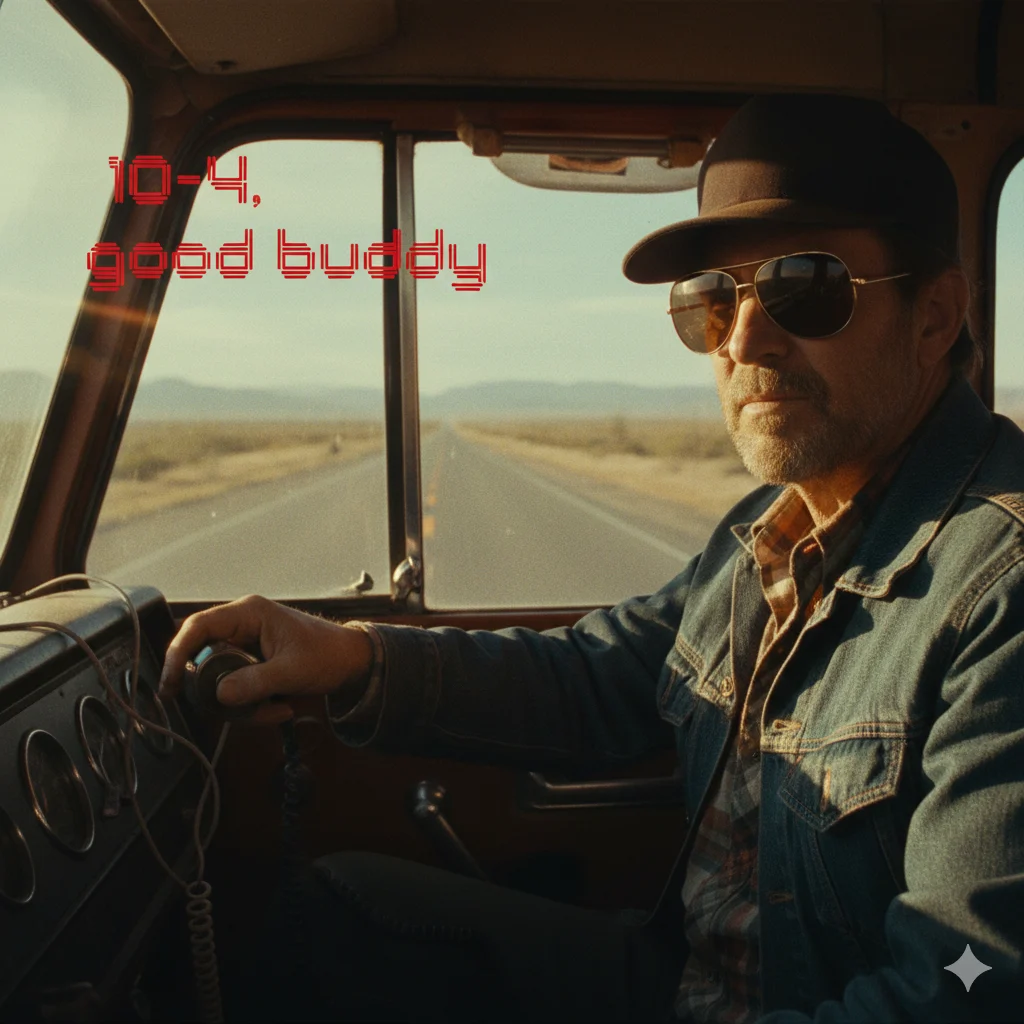
10-4 became a cultural icon through movies, TV shows, and songs. CB radio enthusiasts popularized it, and media exposure made it familiar to the general public.
- Movies: Smokey and the Bandit
- TV Shows: CHiPs
- Music & Comedy: Referenced in songs and performances
Today, phrases like “10-4, good buddy” evoke nostalgia while still being understood by younger generations, even if they’ve never used a CB radio.
10-4 in Texting and Social Media
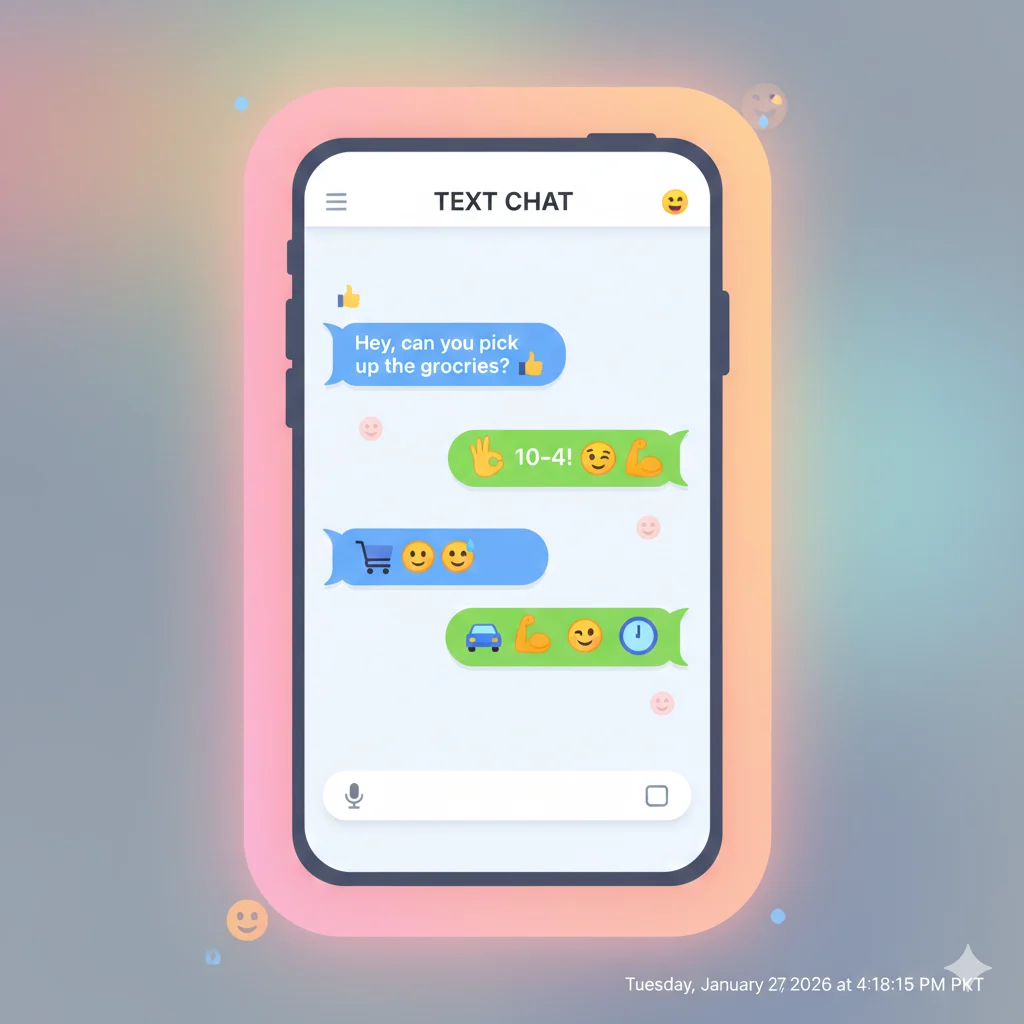
10-4 has adapted to modern communication, appearing in texts, social media, and online chats. Its meaning remains the same: acknowledged or understood.
Examples in texting:
- Friend: “Let’s meet at 6 PM at the café.”
- You: “10-4!”
On social media, users add emojis or humor: “10-4 🚚👍”, keeping messages short and fun. Even in professional messaging, 10-4 is sometimes used playfully, showing its versatility across generations.
Other 10 Codes You Should Know
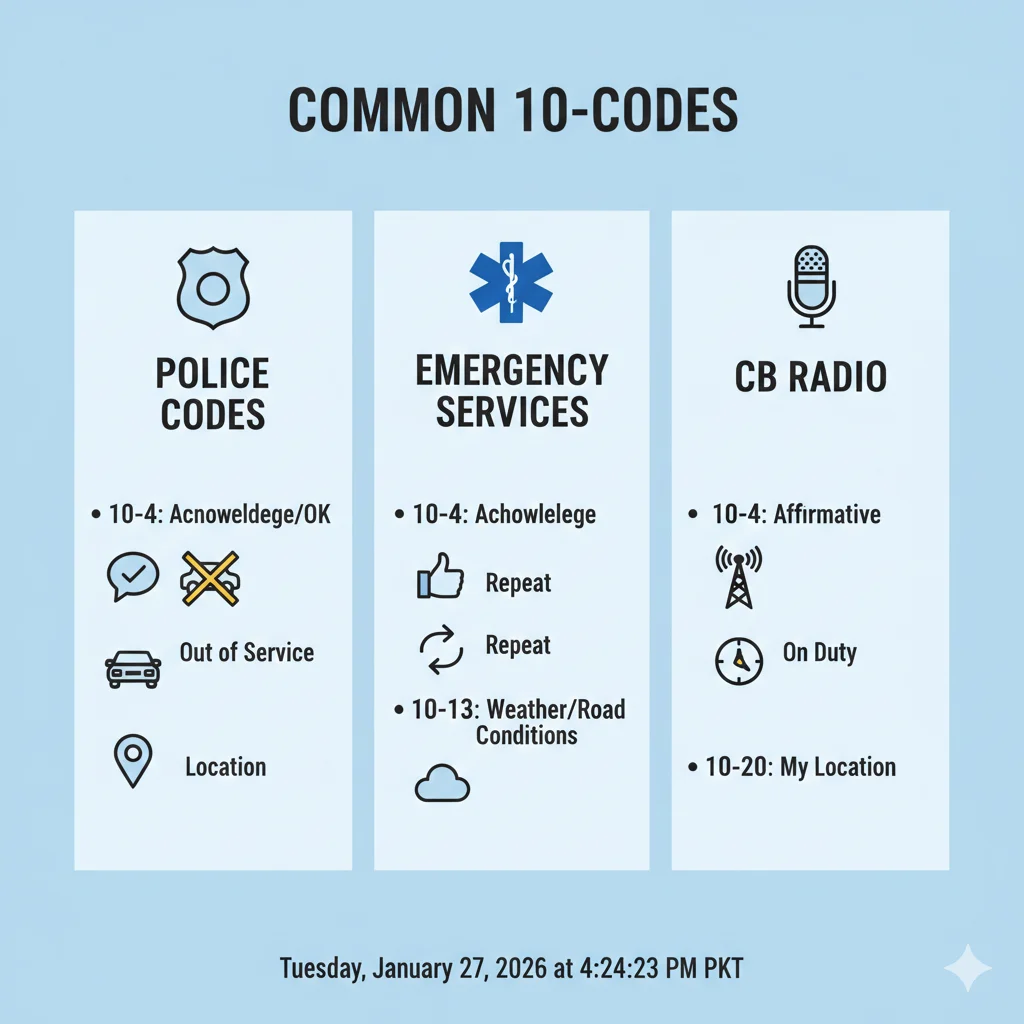
Besides 10-4, here are essential 10-codes:
- 10-7: Out of service
- 10-8: In service / available
- 10-9: Repeat message
- 10-20: Location
- 10-6: Busy / standby
- 10-33: Emergency / help needed
Truckers and CB users often combine codes:
“10-20 at Mile Marker 12, 10-4”
Even with plain language adoption, 10-codes remain a key part of radio culture, helping enthusiasts and professionals communicate effectively.
Why 10-4 Is Still Relevant Today

10-4 remains relevant because of its clarity, brevity, and cultural significance.
- Law enforcement & emergency services: Quick acknowledgment saves time and prevents miscommunication.
- CB radio & trucking: Signals understanding without interrupting traffic communication.
- Pop culture & texting: Maintains its presence in media and online chats, bridging generations.
This small code has become a symbol of efficient communication, connecting people across decades and contexts.
Fun Facts About 10-4
- Trucker slang: “10-4, good buddy” became iconic in CB culture.
- Pop culture: Featured in Smokey and the Bandit, CHiPs, and songs.
- Not universal: Some countries and agencies prefer plain language.
- Texting adaptation: Common in modern messaging.
- Cultural nostalgia: Associated with 1970s CB radio and road trips.
- Efficiency: Designed to reduce radio chatter and miscommunication.
These facts show 10-4 is more than a number—it’s a symbol of communication, culture, and history.
FAQs About 10-4
1. What does 10-4 mean in texting?
10-4 means “Acknowledged” or “Got it”—used to quickly confirm messages.
2. Is 10-4 still used today?
Yes! Used in law enforcement, CB radio, trucker culture, and texting.
3. What is the origin of 10-4?
From the 10-codes system, developed in the 1930s to simplify radio communication.
4. What is the opposite of 10-4?
No official opposite; commonly “negative” or “repeat message (10-9)”.
5. Are 10-codes universal?
No, codes vary by region and agency; some use plain language instead.
6. How is 10-4 used in pop culture?
Appears in movies, TV shows, and songs to indicate acknowledgment.
7. Can civilians use 10-4?
Absolutely! Used in casual conversation, texting, or social media.
Conclusion
The phrase 10-4 has evolved from a police and CB radio code into a widely recognized expression of acknowledgment and agreement.
Its simplicity, clarity, and cultural significance have allowed it to remain relevant across decades, appearing in law enforcement, CB radio, pop culture, and digital communication.
By understanding its history, context, and related codes like 10-20 or 10-7, you can communicate efficiently, join cultural conversations, and appreciate the legacy of this iconic code.
Next time you hear or type 10-4, remember it’s more than numbers—it’s a symbol of understanding, connection, and clear communication.