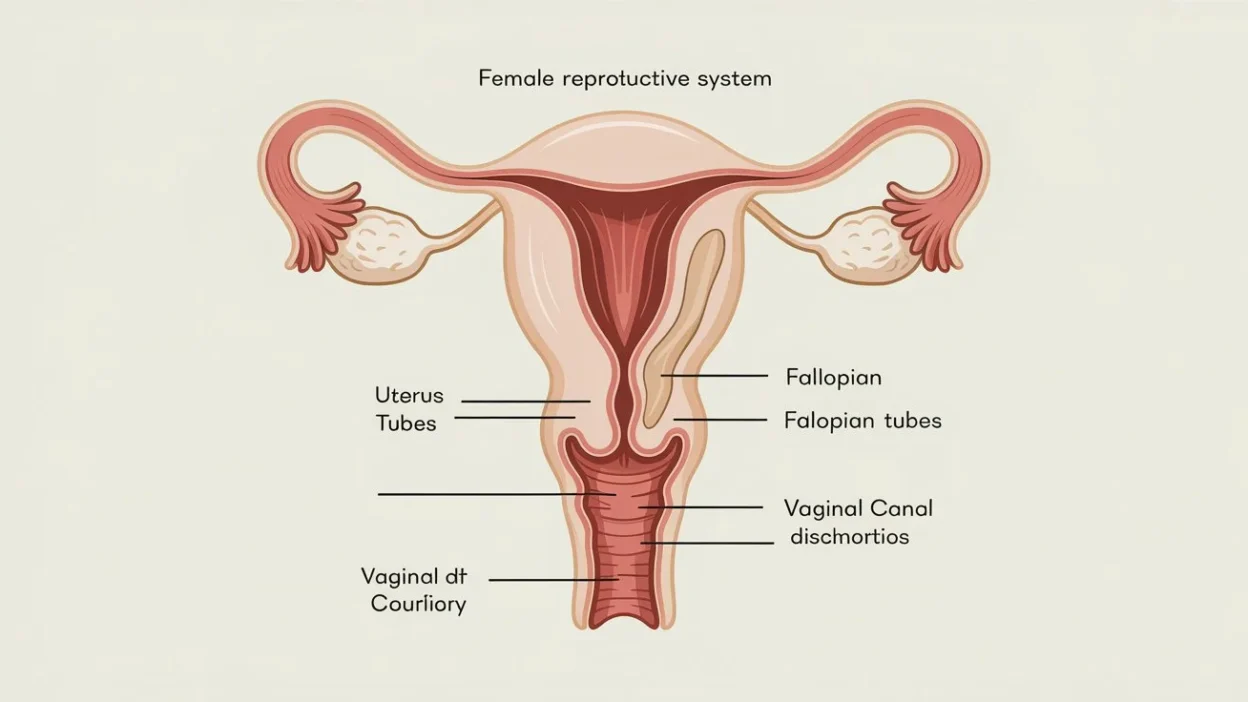
Brown discharge can be surprising and sometimes worrying, especially if you are not expecting it. Many people immediately think something is wrong, but in most cases, brown discharge is normal.
The brown color usually comes from old blood that takes longer to leave the body and mixes with vaginal discharge. This often happens around your menstrual cycle, such as before or after your period.
However, brown discharge can also appear at other times, including during ovulation, early pregnancy, after sex, or as a result of hormonal changes or birth control.
Understanding when brown discharge is normal and when it may need medical attention can help reduce anxiety and protect your health.
This article explains what brown discharge means, its common causes, and the symptoms you should not ignore.
Is Brown Discharge Normal?
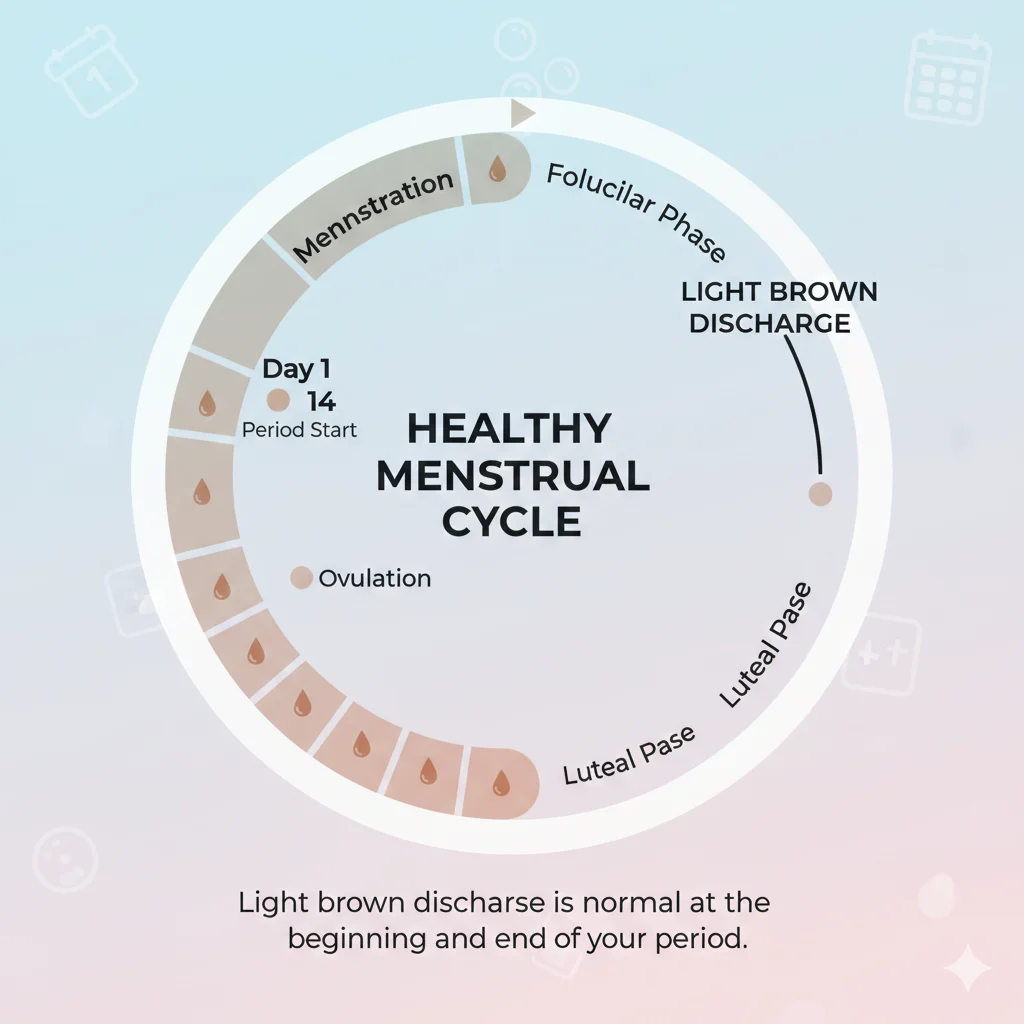
Yes, brown discharge is often normal, especially around your period. It usually occurs when old blood leaves the uterus slowly. Hormonal changes, ovulation, stress, or birth control adjustments can also cause light spotting that appears brown.
Normal brown discharge is usually light, short-lived, and painless, with little to no odor. Persistent, heavy, or accompanied by pain or smell may indicate an underlying problem, so medical advice should be sought in such cases.
What Does Brown Discharge Mean Before Period
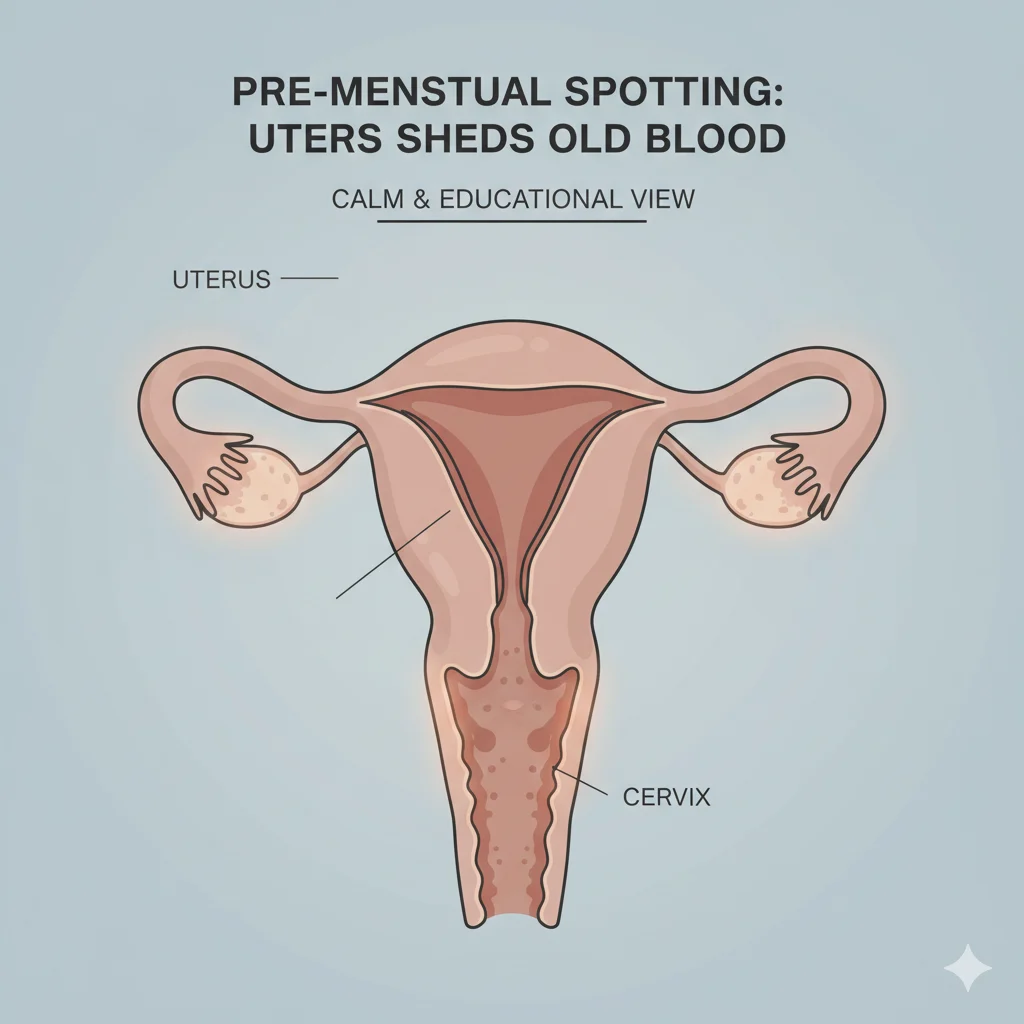
Brown discharge before your period is very common. It typically happens when old blood from the previous cycle exits the uterus slowly. Hormonal shifts right before menstruation can also trigger light spotting. This discharge is usually light, short-lived, and harmless.
If you are sexually active and notice brown spotting before your period, implantation bleeding could be a possibility. Implantation bleeding is usually brief and light. If you’re unsure, a pregnancy test can help clarify.
Why Do I Have Brown Discharge But No Period?
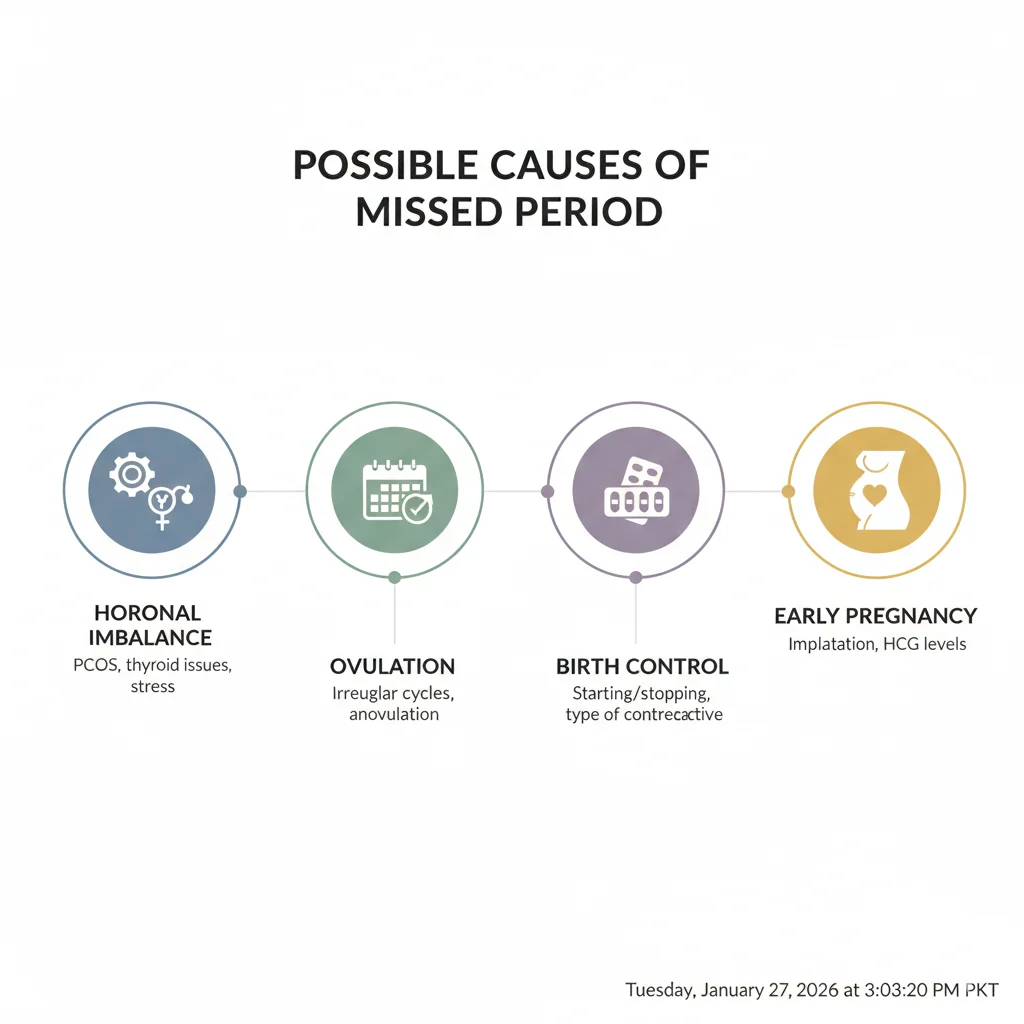
Experiencing brown discharge without a period can occur for several reasons:
- Hormonal imbalances: Irregular cycles, stress, or thyroid issues may cause spotting.
- Birth control changes: Starting, stopping, or missing doses can trigger light bleeding.
- Ovulation or mid-cycle spotting: Some people experience light brown discharge around ovulation.
- Pregnancy: Early implantation bleeding may appear as brown discharge.
If brown discharge persists, is heavy, or comes with pain or odor, consult a healthcare provider.
Brown Discharge 2 Weeks After Period
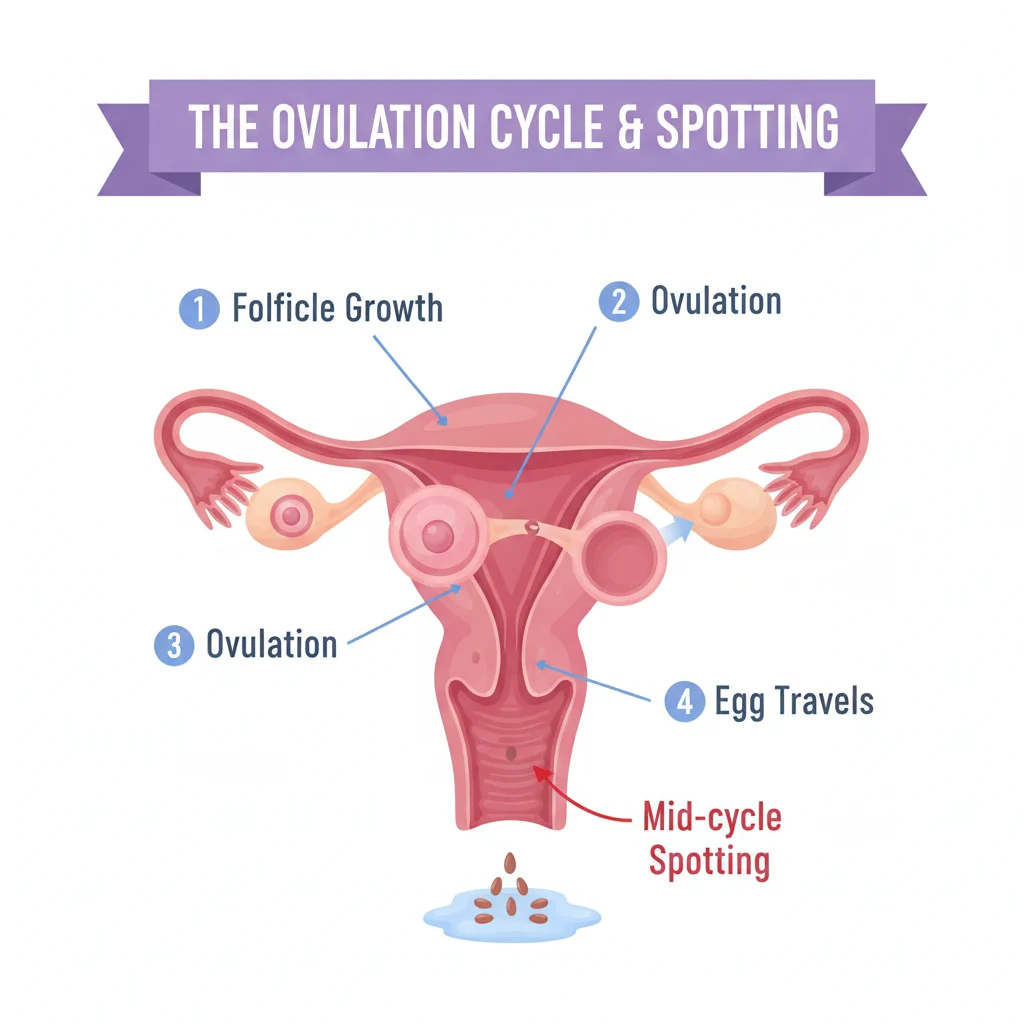
Brown discharge occurring mid-cycle, about two weeks after your period, is often linked to ovulation spotting. Hormonal shifts can cause the uterine lining to shed slightly, producing light brown discharge. This is usually brief and harmless but can sometimes indicate hormonal fluctuations if it happens frequently.
Brown Discharge After Your Period
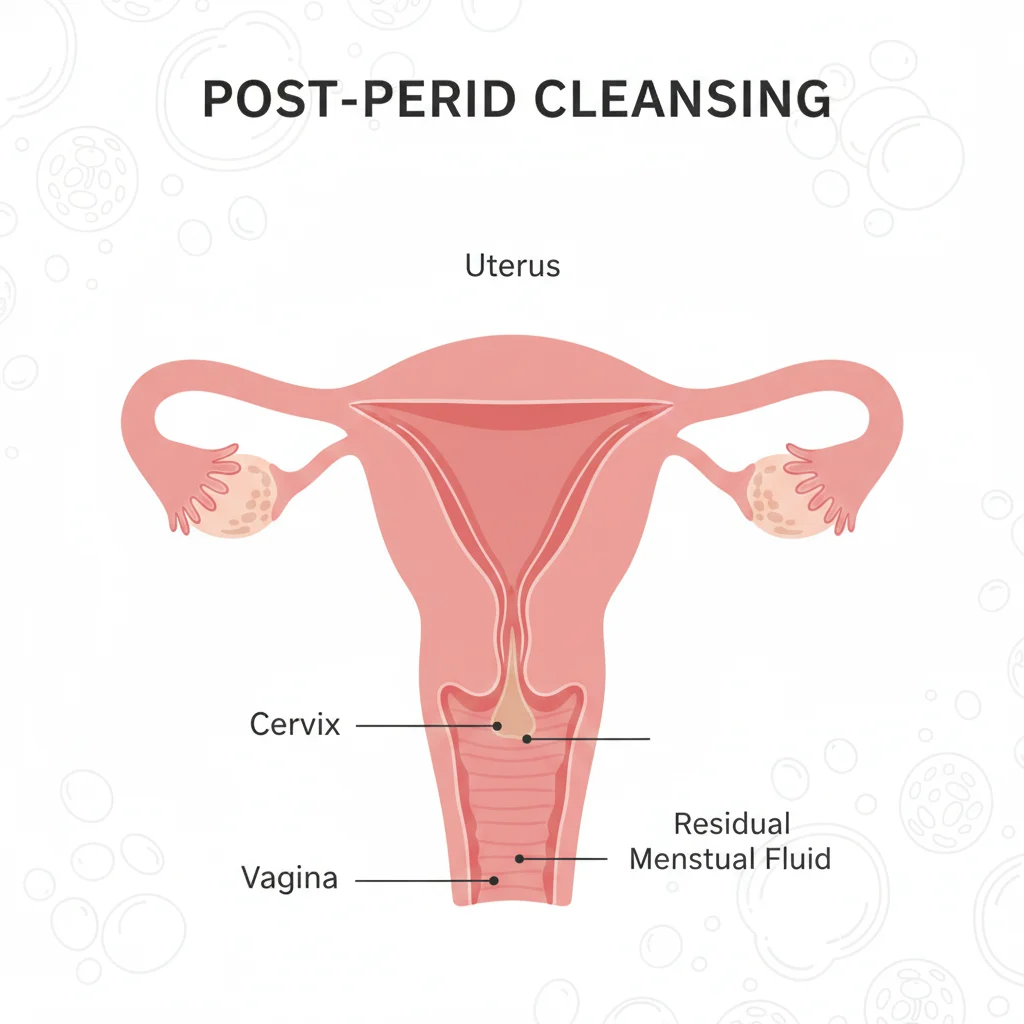
Brown discharge after menstruation is often leftover menstrual blood slowly leaving the uterus. It may last a few days and is usually light and painless. Hormonal changes or irregular cycles can make this spotting more noticeable. Persistent discharge after a period should be evaluated by a healthcare professional.
Brown Sticky Discharge
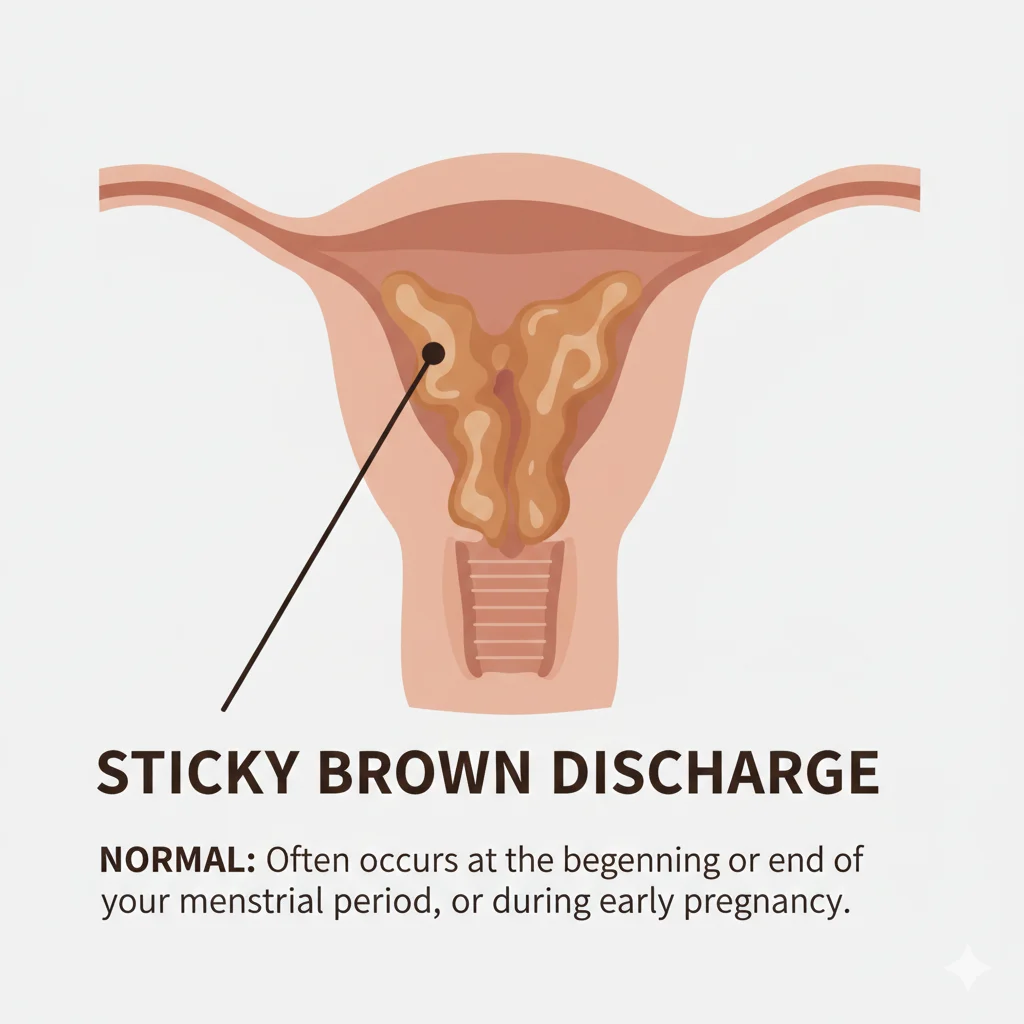
Brown discharge can sometimes appear sticky or thick, especially when it is old blood mixed with vaginal fluids. Sticky brown discharge is generally normal, especially at the start or end of a period. However, if it comes with odor, itching, or discomfort, it could indicate an infection and should be checked.
Dark Brown Discharge for 2 Days Instead of Period
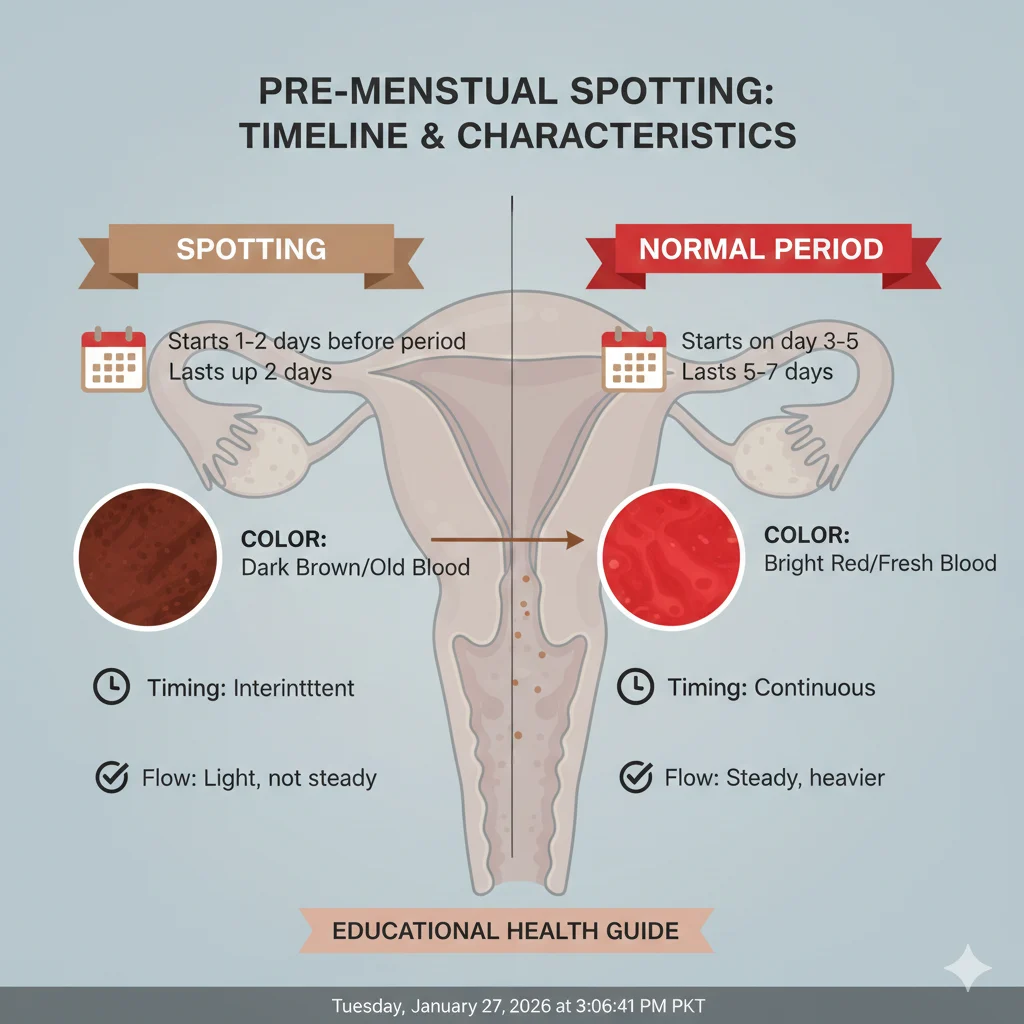
Dark brown discharge lasting a couple of days in place of a normal period can happen due to:
- Light or shortened periods
- Hormonal changes from stress or contraception
- Early pregnancy
- Minor uterine irritation
If this happens repeatedly or is accompanied by unusual symptoms, a doctor’s evaluation is recommended.
Brown Discharge During Ovulation
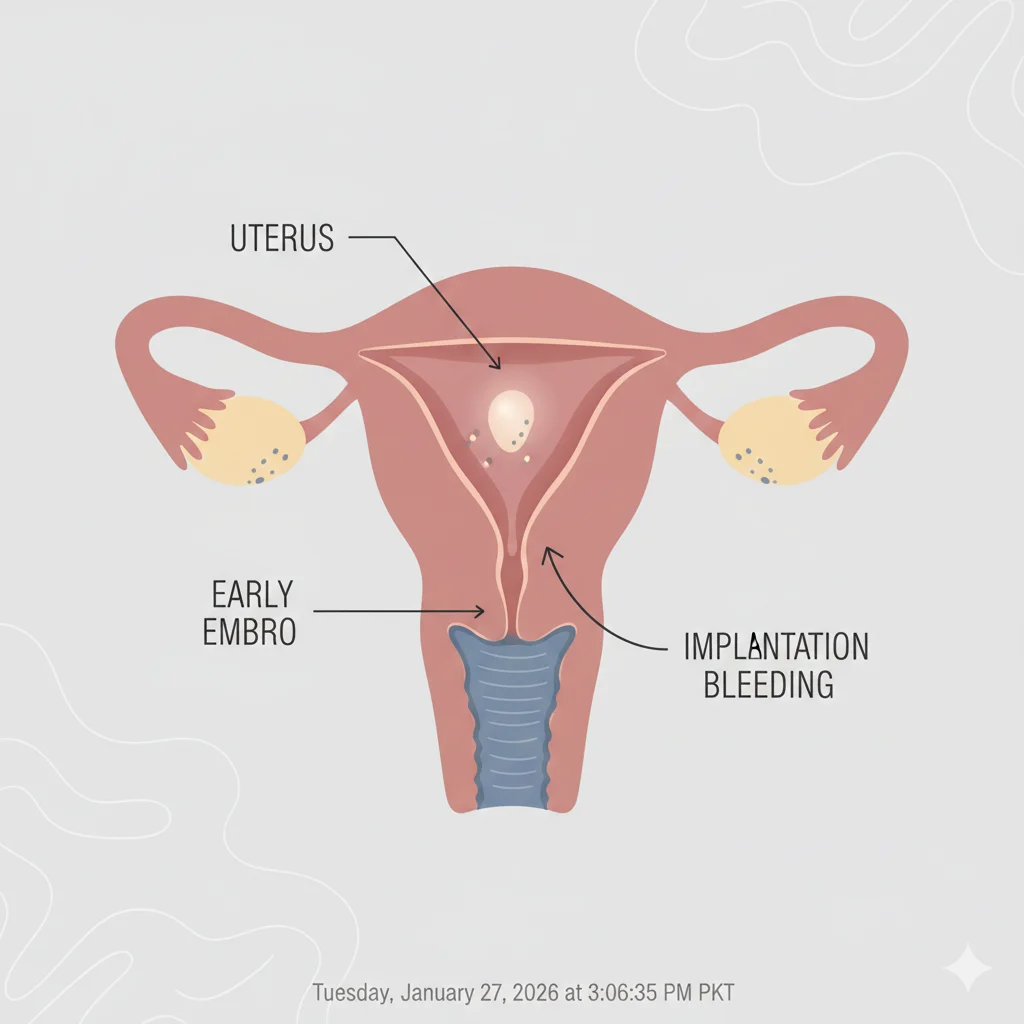
Light brown discharge during ovulation is usually harmless. Hormonal changes around ovulation may cause slight uterine lining shedding, leading to spotting. It typically lasts only a day or two and is not associated with pain, itching, or odor.
Brown Discharge During Pregnancy
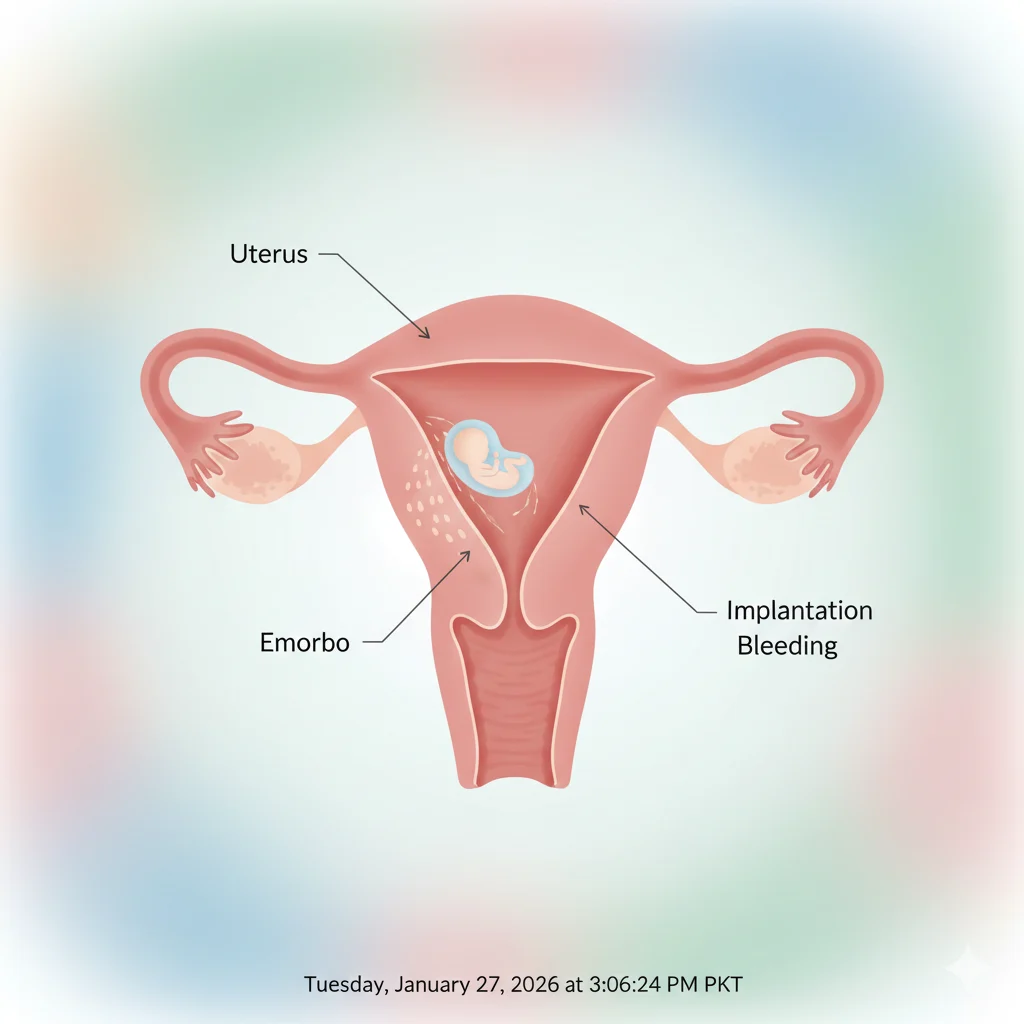
Brown discharge in early pregnancy is often implantation bleeding, which occurs when a fertilized egg attaches to the uterine lining. It may also be caused by cervical irritation or hormonal shifts.
While usually harmless, brown discharge accompanied by cramps, heavy bleeding, or foul odor should be reported to a healthcare provider immediately.
Brown Discharge After Sex
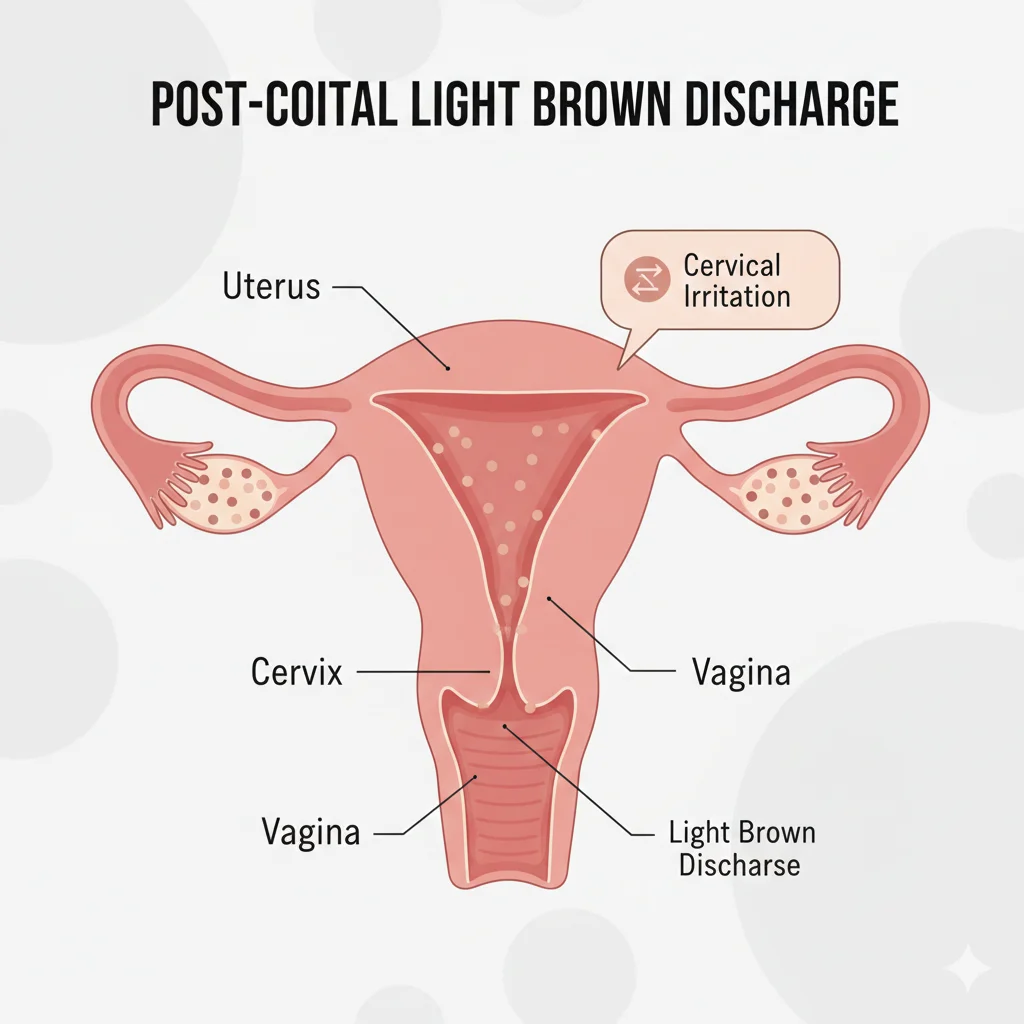
Brown discharge after sexual activity can occur due to cervical irritation or minor tissue tears. It is usually light, short-lived, and painless. If it is frequent, heavy, or accompanied by odor or pain, it is best to consult a doctor.
Brown Discharge and Birth Control
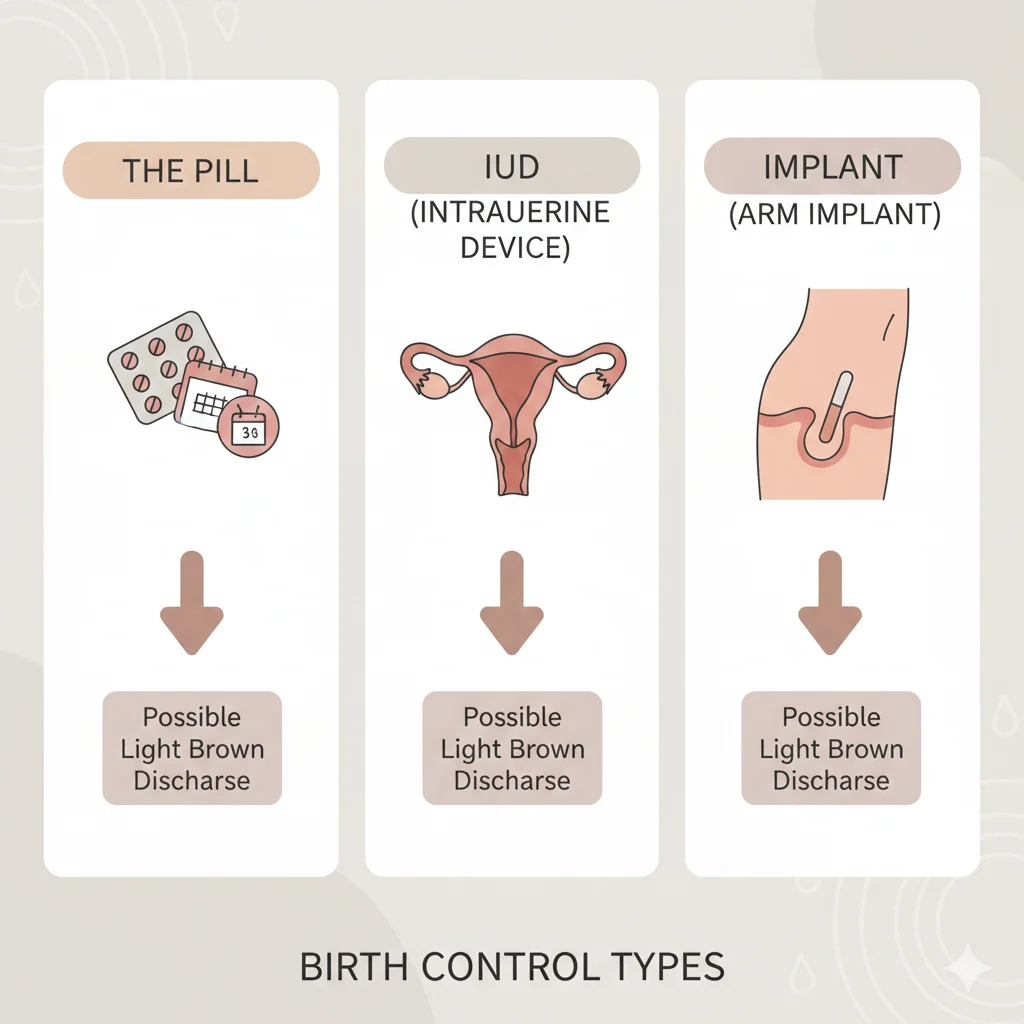
Hormonal birth control can trigger brown discharge, particularly when starting, stopping, or missing doses. Breakthrough bleeding may occur in the first few months but usually resolves. Persistent discharge or unusual symptoms should be evaluated by a healthcare professional.
How to Stop Brown Discharge
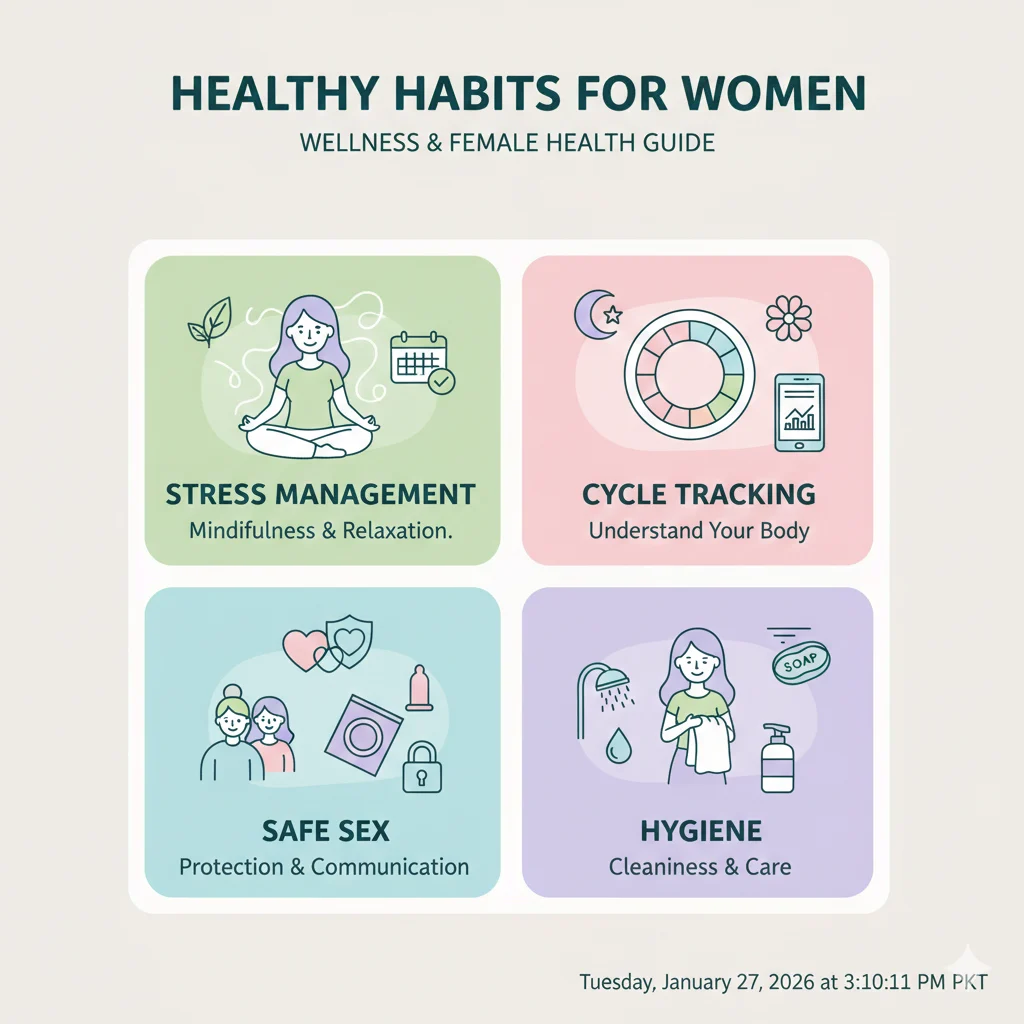
While brown discharge is often normal, some steps can minimize spotting:
- Use birth control consistently if prescribed
- Manage stress through exercise, sleep, and relaxation
- Maintain hormonal balance with a healthy diet
- Avoid irritants like harsh soaps or scented products
- Regular gynecological check-ups
Some types of brown discharge cannot be stopped entirely if they are part of your natural cycle.
Brown Discharge vs. Normal Vaginal Discharge
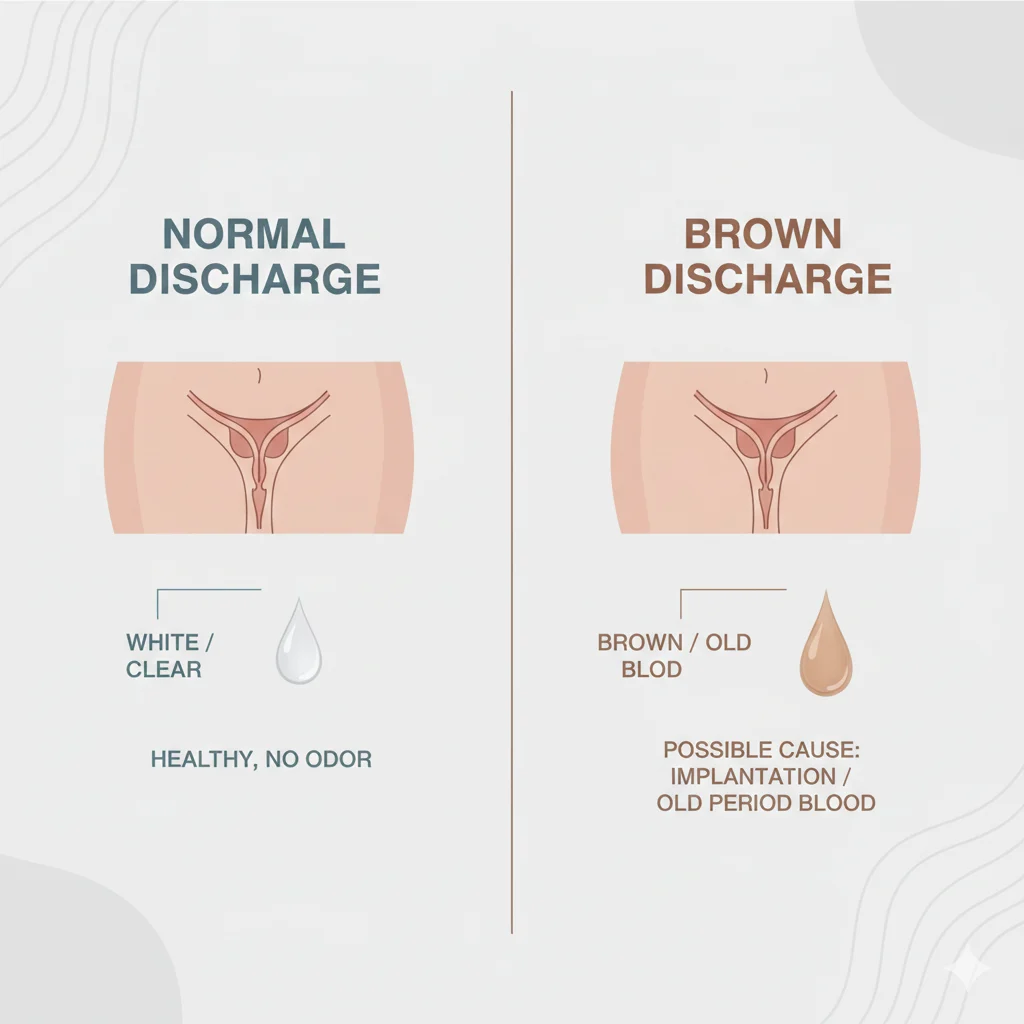
Normal discharge is clear, white, or slightly yellow, odorless, and helps keep the vagina clean. Brown discharge is usually caused by old blood and may appear sticky, watery, or light brown to dark brown. Changes in color, smell, or accompanying symptoms may indicate infection or hormonal imbalance.
When Brown Discharge May Be a Sign of a Health Problem
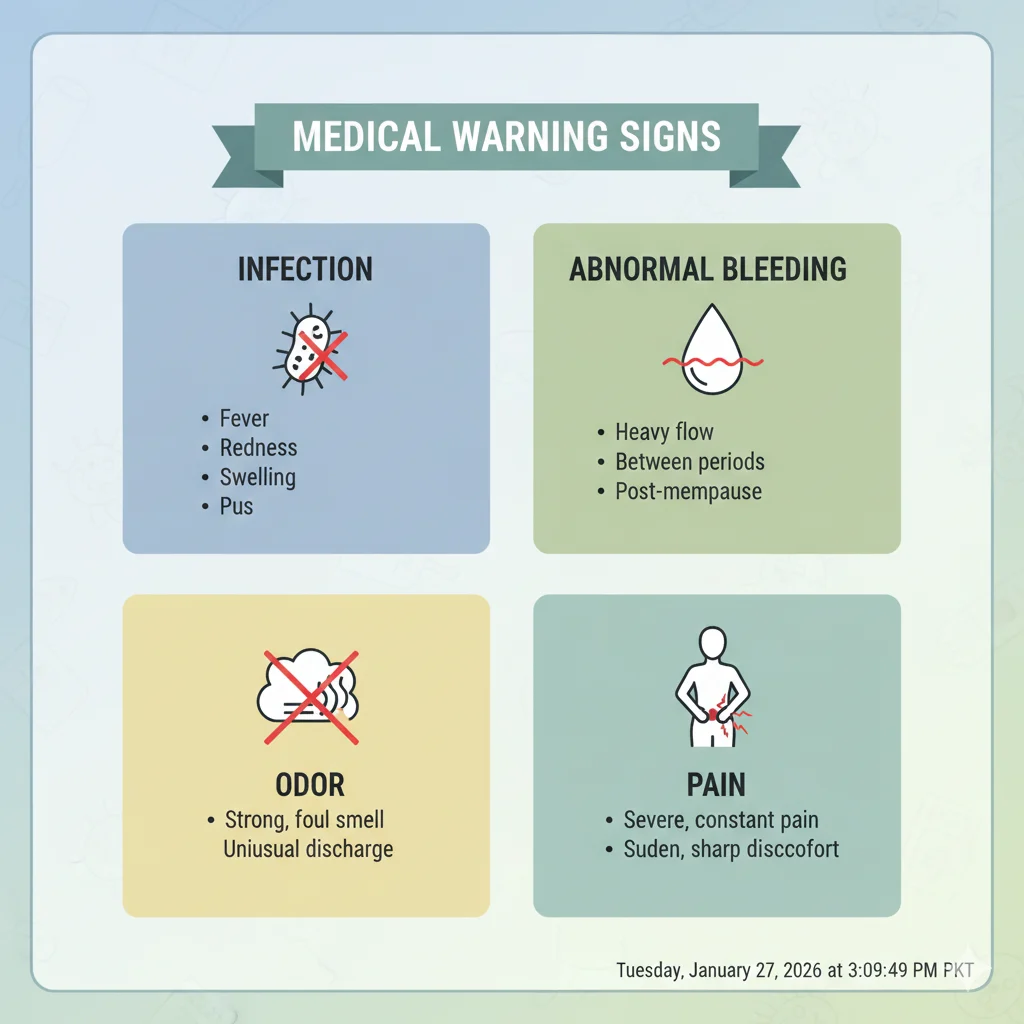
Brown discharge can sometimes indicate:
- Infections: yeast, bacterial, or STIs
- Cervical or uterine issues: polyps, fibroids, irritation
- Pelvic inflammatory disease (PID)
- Hormonal imbalances
- Pregnancy complications: miscarriage or implantation issues
Persistent, heavy, or symptomatic discharge should be evaluated by a healthcare professional.
Symptoms That Should Not Be Ignored
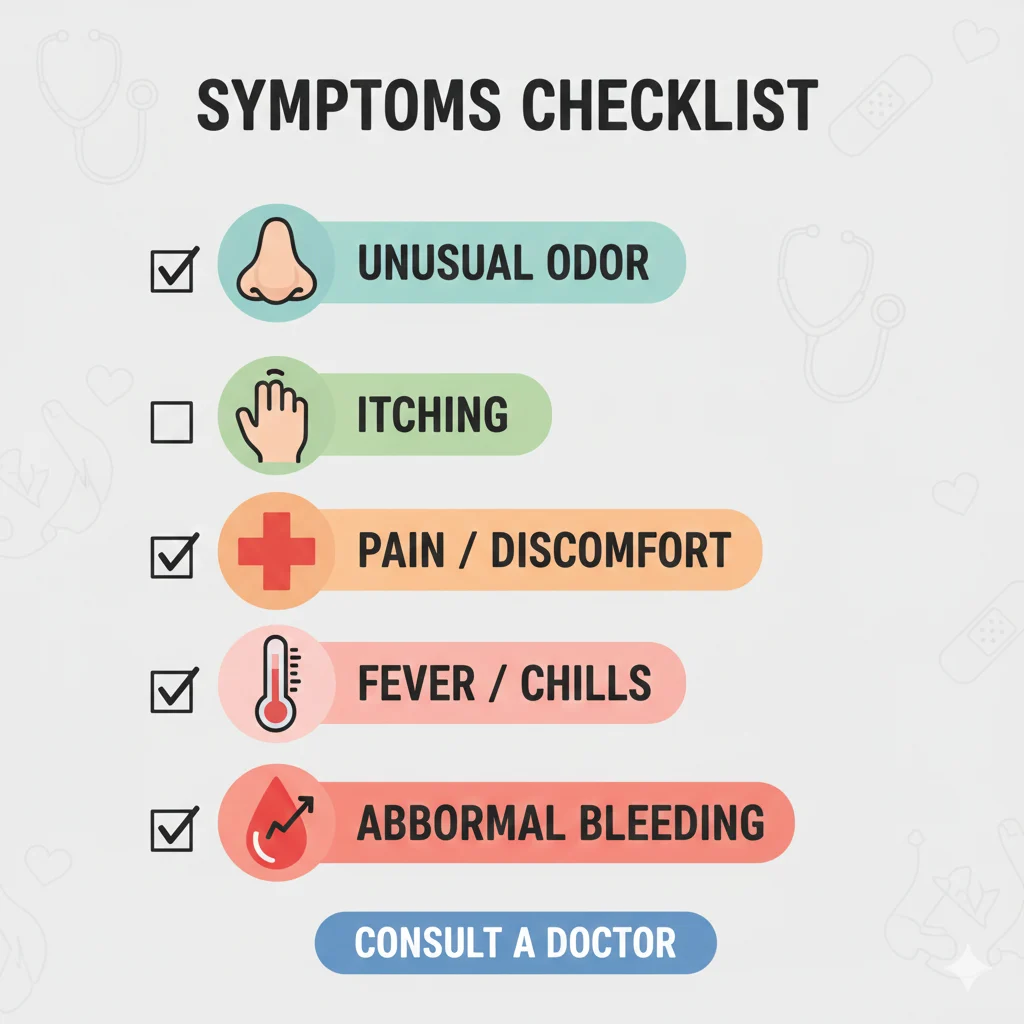
Seek medical attention if brown discharge is accompanied by:
- Strong or foul odor
- Itching or burning
- Abnormal bleeding or clots
- Pelvic or abdominal pain
- Fever or general illness
- Changes in discharge consistency
When Should You See a Doctor?
Consult a healthcare provider if brown discharge is:
- Frequent or lasts longer than a week
- Accompanied by pain or cramps
- Heavy or has a strong odor
- Occurring during pregnancy
- Persistent while on birth control
Early evaluation ensures proper treatment and peace of mind.
How Doctors Diagnose the Cause of Brown Discharge
Doctors may use:
- Medical history: cycle, sexual activity, symptoms
- Physical/pelvic exam: check uterus and cervix
- Lab tests: swabs or urine tests for infections
- Blood tests: hormonal or pregnancy markers
- Imaging: ultrasound for fibroids or polyps
These steps help identify the cause and recommend treatment if needed.
Can Brown Discharge Be Prevented?
While not all brown discharge can be prevented, you can reduce abnormal spotting by:
- Maintaining hormonal balance
- Practicing safe sex
- Monitoring your cycle
- Managing stress
- Maintaining vaginal hygiene
- Attending regular gynecological exams
Frequently Asked Questions (FAQs)
Does brown discharge mean pregnancy?
Sometimes, it can indicate early pregnancy (implantation bleeding), but it is often normal. A pregnancy test confirms.
Why do I have brown discharge but no period?
Causes include hormonal imbalance, ovulation spotting, birth control changes, or early pregnancy.
Why am I passing light brown discharge?
Light brown discharge is often old blood leaving the uterus, usually harmless.
Is it unhealthy to have brown discharge?
Not usually. It is normal around periods, ovulation, or after sex. Persistent or symptomatic discharge may require medical attention.
How long is brown discharge normal?
Typically a few days before, during, or after a period. Persistent or heavy discharge should be checked.
Can birth control cause brown discharge?
Yes, especially when starting, stopping, or missing doses.
Should I worry about brown discharge?
Occasional brown discharge is usually harmless. Consult a doctor if persistent, heavy, or symptomatic.
Conclusion
Brown discharge is common and usually harmless, especially around periods, ovulation, or after sex. It generally results from old blood leaving the uterus or minor hormonal changes. Understanding the timing, color, and accompanying symptoms helps distinguish between normal discharge and signs that may need medical attention.
If discharge is persistent, heavy, painful, or smelly, consulting a healthcare professional is important. Regular check-ups, monitoring your cycle, and healthy habits can help you stay informed and maintain reproductive health.