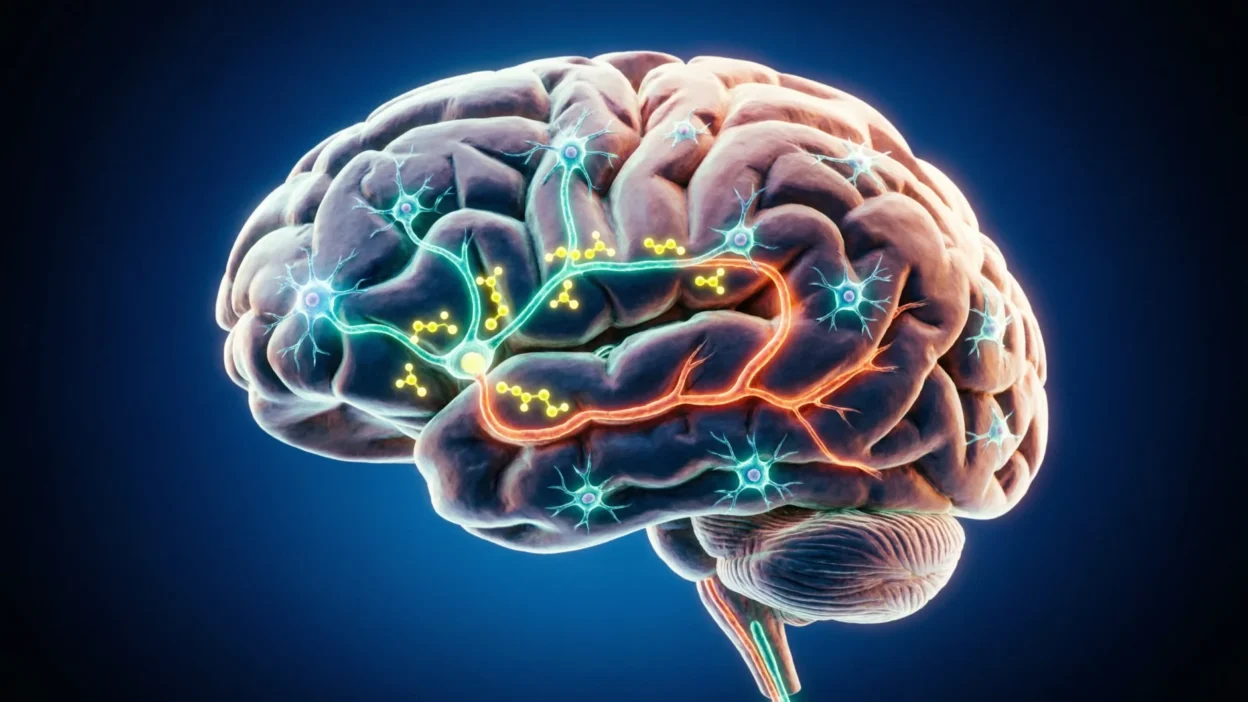
Definition: Dopamine is a neurotransmitter, a chemical messenger in the brain, that plays a key role in motivation, reward, learning, mood, and movement. It regulates behavior, influences pleasure, and helps the brain respond to rewards and challenges.
Dopamine is often referred to as the brain’s “feel-good” chemical, but its functions extend far beyond happiness. As a neurotransmitter, it transmits signals between neurons, shaping motivation, learning, mood regulation, and motor control.
Understanding dopamine is critical for mental health, productivity, and overall well-being, as imbalances can lead to conditions like Parkinson’s disease, depression, or dopamine deficiency, and behaviors linked to dopamine addiction.
Scientists have explored how dopamine influences the reward system, decision-making, and habit formation, highlighting its role in everyday life. Beyond the brain, dopamine affects bodily functions such as hormone regulation and digestion.
This guide explains what dopamine does, how it works, common myths, practical ways to boost it naturally, and the impact of dopamine on mood, behavior, and health.
If you’re curious about dopamine detox, dopamine patches, dopamine dressing, or low dopamine symptoms, this article provides a complete, research-backed overview.
What Is Dopamine?
Dopamine is a neurotransmitter, a chemical messenger that allows the brain and nervous system to communicate effectively. It is produced mainly in the substantia nigra, ventral tegmental area (VTA), and hypothalamus, and is involved in movement, motivation, learning, and emotional regulation.
Unlike serotonin, dopamine primarily regulates reward, motivation, and pleasure, making it a crucial component in understanding serotonin vs dopamine differences and their influence on mood and behavior. The dopamine definition is clear: a chemical that signals the brain about rewards, satisfaction, and action reinforcement. Understanding what dopamine does to the body helps explain conditions like dopamine deficiency and guides strategies for improving focus, happiness, and well-being.
How Dopamine Works
Dopamine functions through specialized brain pathways that regulate reward, motivation, cognition, and movement.
- Mesolimbic Pathway (Reward System): Connects the VTA to the nucleus accumbens, controlling pleasure and reinforcement. This pathway explains what gives the highest dopamine hit and why rewards feel satisfying.
- Mesocortical Pathway (Motivation & Cognition): Influences decision-making, problem-solving, and goal-directed behavior.
- Nigrostriatal Pathway (Movement Control): Regulates voluntary movement; low dopamine causes Parkinson’s disease symptoms.
- Tuberoinfundibular Pathway (Hormone Regulation): Controls hormones like prolactin, affecting bodily functions.
Dopamine release occurs during rewarding experiences, anticipation of goals, or novelty exposure. Understanding when is dopamine released and what triggers dopamine release is key to leveraging motivation and healthy habits.
Functions of Dopamine in Daily Life
Dopamine affects several critical areas of human behavior and health:
- Reward and Pleasure: Eating, socializing, achieving goals, or even browsing a favorite app triggers dopamine release, explaining why dopamine addiction can occur.
- Motivation and Goal-Setting: Dopamine fuels drive, encouraging repeated behaviors toward success.
- Learning and Memory: It strengthens neural pathways to reinforce behaviors that lead to positive outcomes.
- Movement Control: Low dopamine causes tremors or difficulty moving, highlighting low dopamine symptoms.
- Mood and Emotion: Balanced dopamine contributes to emotional stability, while deficits may lead to depression or lack of focus.
- Decision-Making: It guides risk-reward evaluation, influencing choices in personal, social, and professional life.
Dopamine and Health
Dopamine imbalances are linked to neurological, mental, and behavioral conditions:
- Neurological Disorders: Parkinson’s disease is caused by low dopamine levels in motor pathways.
- Mental Health: Dopamine deficiency may contribute to depression, ADHD, and anxiety.
- Addiction and Compulsive Behaviors: Drugs, gambling, and overstimulation can hijack dopamine pathways.
- Other Effects: Obesity, sleep disorders, and lack of motivation can arise from poor dopamine regulation.
Understanding signs of low dopamine helps individuals seek medical advice and adopt lifestyle changes.
Factors That Affect Dopamine Levels
Several factors influence dopamine levels:
- Genetics & Brain Chemistry: Determine production and receptor sensitivity.
- Lifestyle: Diet, exercise, and sleep critically affect dopamine function.
- Environment: Social interactions, novelty, and stress influence dopamine release.
- Age: Dopamine naturally declines over time, affecting motivation and focus.
- Medications & Substances: Stimulants, antidepressants, and recreational drugs can alter dopamine balance.
How to Naturally Boost Dopamine
Practical strategies to improve dopamine levels include:
- Nutrition: Tyrosine-rich foods (eggs, nuts, chicken), probiotics, and omega-3s.
- Exercise: Aerobic workouts, strength training, and yoga stimulate dopamine release.
- Sleep: Adequate quality sleep restores dopamine receptor sensitivity.
- Stress Management: Meditation, mindfulness, and nature exposure protect dopamine pathways.
- Goal-Setting: Achieving small milestones triggers reward pathways.
- Social Interaction & Hobbies: Positive connections and creative pursuits enhance dopamine naturally.
- Avoid Overstimulation: Reduce junk food, social media, and instant-reward behaviors.
Understanding how to trigger dopamine in a woman or anyone is rooted in creating rewarding, motivating, and positive experiences.
Dopamine Myths and Misconceptions
- Myth 1: Dopamine is only for happiness. Reality: It regulates motivation, learning, and movement.
- Myth 2: More dopamine is always better. Reality: Excess can cause impulsivity or addiction.
- Myth 3: Supplements alone can fix dopamine. Reality: Lifestyle changes are more effective.
- Myth 4: Dopamine exists only in the brain. Reality: It also affects hormones, heart, and kidneys.
- Myth 5: Dopamine itself is addictive. Reality: Addiction arises from overstimulating pathways.
Dopamine Research & History
- 1950s: Dopamine discovered as a brain chemical.
- 1960s: Linked to movement and Parkinson’s disease; L-DOPA therapy developed.
- 1970s–1980s: Dopamine connected to reward and reinforcement.
- Modern Research: fMRI and neuroimaging reveal dopamine’s role in decision-making, learning, and addiction.
Lifestyle & Daily Habits for Healthy Dopamine
- Morning sunlight and exercise boost dopamine receptors.
- Balanced diet with tyrosine-rich foods and antioxidants.
- Mindfulness and stress reduction protect dopamine pathways.
- Goal-setting and rewarding achievements stimulate dopamine naturally.
- Positive social interaction and hobbies enhance motivation and pleasure.
- Avoid overstimulation from social media, junk food, or instant gratification.
FAQs About Dopamine
Q: What does dopamine do in simple terms?
A: It regulates motivation, pleasure, learning, mood, and movement.
Q: Can dopamine make you happy?
A: Dopamine contributes to reward and motivation, indirectly influencing happiness.
Q: How to increase dopamine naturally?
A: Through diet, exercise, sleep, stress management, goal-setting, and social interaction.
Q: What are signs of low dopamine?
A: Low motivation, fatigue, mood swings, poor focus, or movement difficulties.
Q: Does dopamine affect women differently?
A: Dopamine functions similarly, but hormonal cycles can influence sensitivity and reward processing.
Q: What triggers dopamine release?
A: Rewards, achievements, novelty, social interaction, exercise, and pleasurable activities.
Conclusion
Dopamine is a vital neurotransmitter that impacts motivation, learning, movement, mood, and overall brain function.
Maintaining balanced dopamine levels through diet, exercise, sleep, stress management, and meaningful social interactions supports mental and physical well-being.
Understanding what dopamine does to the body, how it works, and its role in addiction, reward, and motivation can help you optimize your health and daily life.
From dopamine detox, dopamine patches, dopamine dressing, dopamine decor, dopamine menu, or even exploring dopamine land DC or Dopamine Land experiences, the key is balance and informed lifestyle choices.
By nurturing healthy dopamine pathways, you enhance motivation, focus, mood, and life satisfaction naturally.