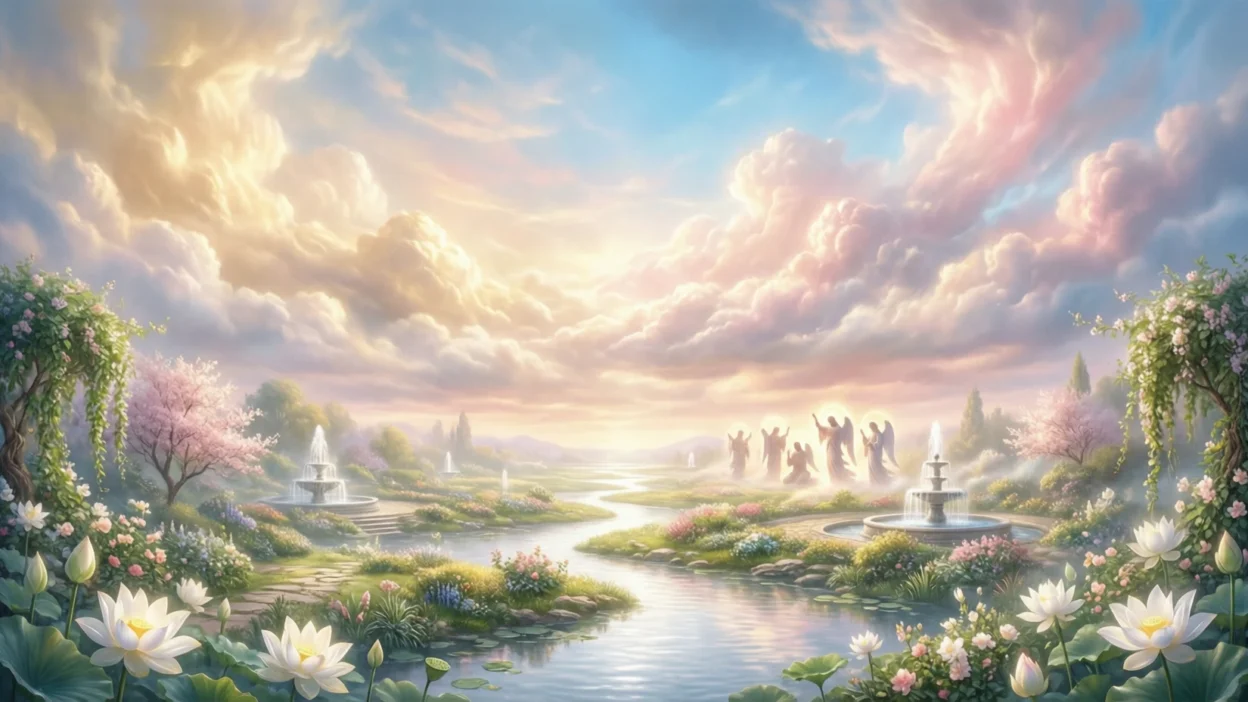
Humans have long wondered what heaven looks like, a question that spans religion, spirituality, culture, and personal imagination.
Across different faiths, heaven is described as a place of beauty, peace, and eternal happiness, where souls experience reward and connection with the divine.
In Christianity, it is often depicted as streets of gold, gates of pearl, and radiant light, while Islamic texts describe lush gardens, flowing rivers, and eternal comfort for the faithful.
Beyond religious texts, people who have experienced near-death encounters often report visions of bright light, loving presence, and tranquil landscapes.
Artistic and cultural interpretations also portray heaven in countless ways, from ethereal clouds to majestic palaces.
While descriptions vary, a common theme emerges: heaven represents ultimate peace, divine presence, and spiritual fulfillment.
In this article, we will explore religious, cultural, personal, and symbolic depictions of heaven to understand its many imagined forms.
Heaven in Religious Texts
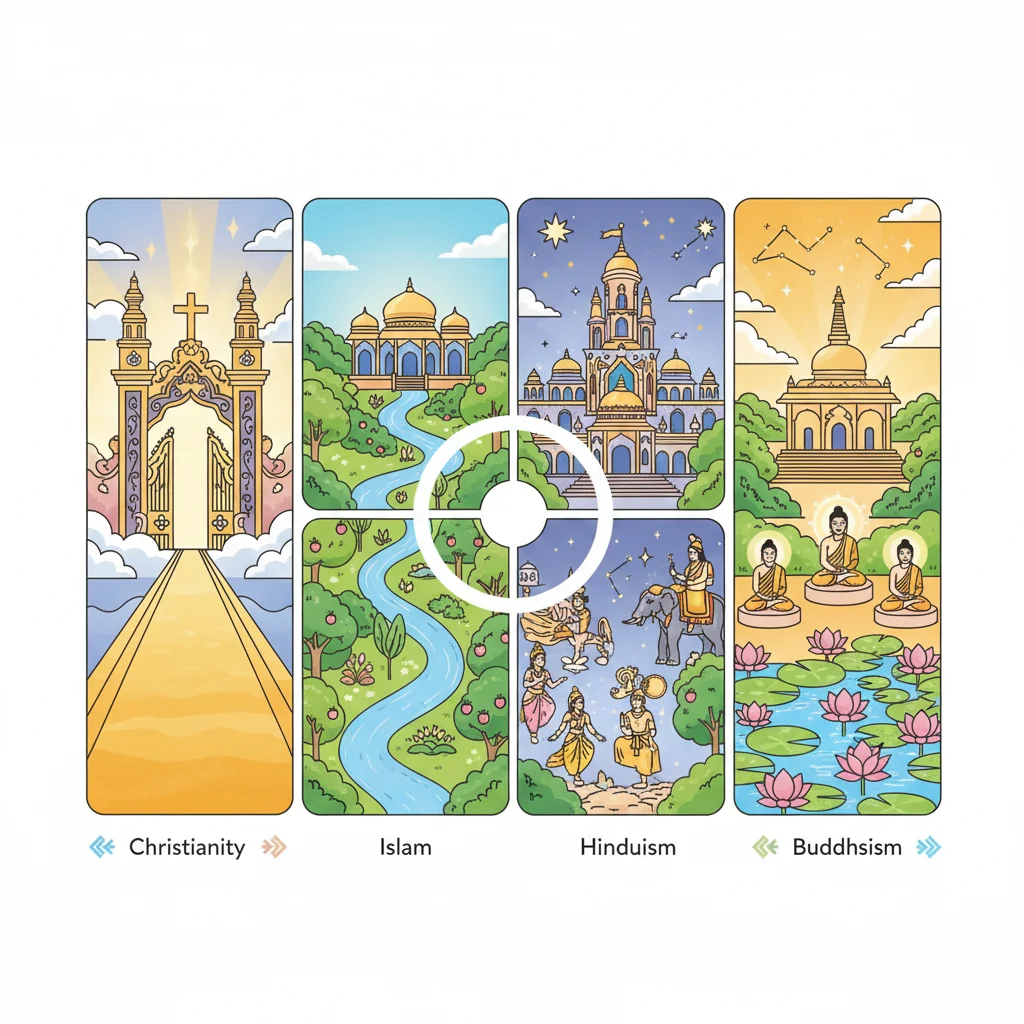
Descriptions of heaven vary widely across religions, but most share the idea of it as a place of ultimate peace, reward, and divine presence.
Heaven in Christianity
The Bible describes heaven as a place of unimaginable beauty. In the Book of Revelation, it mentions streets of gold, gates of pearl, and eternal light. Angels and saints worship continuously, creating an atmosphere of joy and reverence. Heaven symbolizes the reward for a faithful life and eternal communion with God.
Heaven in Islam
The Quran describes Jannah, or paradise, as gardens beneath which rivers flow, filled with flowing milk, honey, and wine. Believers enjoy palaces, lush landscapes, and reunion with loved ones. It is a place of eternal comfort, peace, and reward for those who lived righteously.
Heaven in Other Religions
Other faiths offer unique depictions of paradise. Hinduism describes Swarga, a celestial realm of pleasure and beauty. Buddhism speaks of Pure Lands, serene realms for enlightened beings. Even Judaism envisions Gan Eden, a spiritual paradise.
Across these traditions, heaven is portrayed as a realm of eternal joy and divine presence, each adapted to the values and imagery of its faith.
Near-Death Experiences and Personal Visions
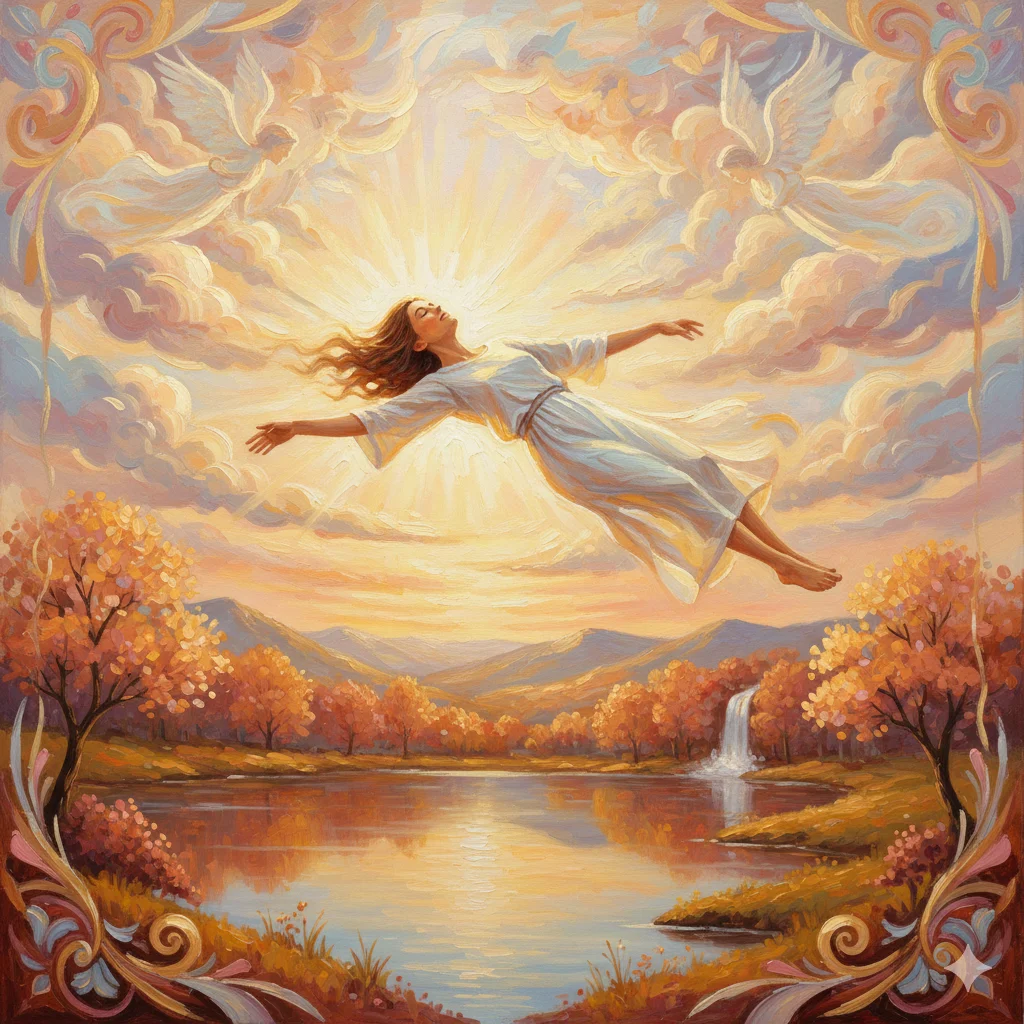
Beyond religious texts, many people report personal visions of heaven during near-death experiences (NDEs). These accounts often describe bright, radiant light, a profound sense of peace and unconditional love, and landscapes that feel both familiar and otherworldly. Some people report reuniting with loved ones who have passed, while others describe angelic beings or guides who offer comfort and guidance.
Interestingly, certain patterns appear across cultures: tunnels of light, feelings of floating, and a sense of timelessness are common features in these experiences. Scientists suggest that some NDEs may result from brain activity under extreme stress, but many who experience them report lasting spiritual transformation and a deeper understanding of life, death, and the afterlife.
These personal visions of heaven, whether interpreted spiritually or neurologically, reflect humanity’s deep longing for peace, transcendence, and connection with something greater, echoing the symbolic and religious depictions found throughout history.
Symbolism and Spiritual Interpretations
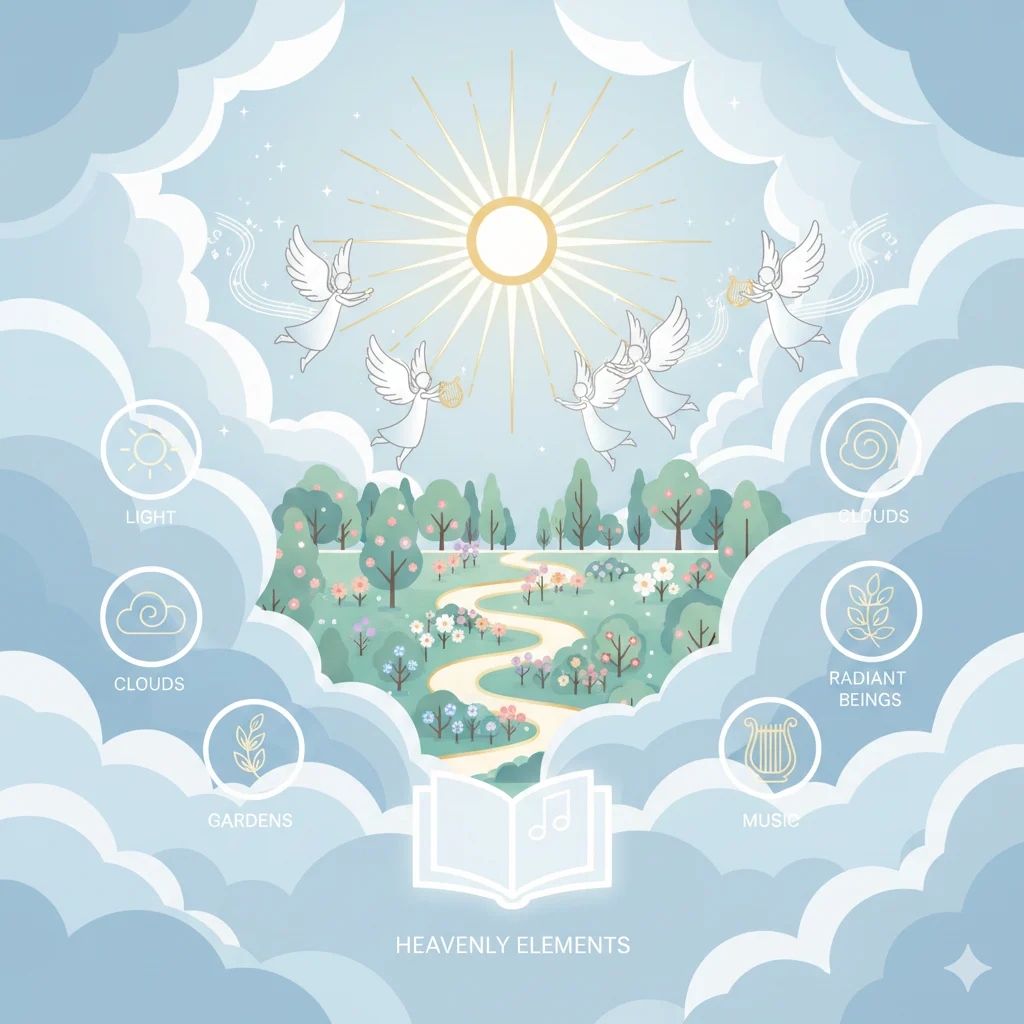
Heaven is often described not just as a physical place, but as a symbol of ultimate peace, fulfillment, and divine presence. Across religions and cultures, the imagery of heaven—light, clouds, gardens, rivers, and radiant beings—represents the human desire for tranquility, love, and eternal reward.
In many spiritual interpretations, heaven reflects a state of consciousness or spiritual enlightenment rather than a literal location. For example, the “streets of gold” or “gardens of paradise” may symbolize abundance, purity, and harmony. Similarly, the bright light reported in near-death experiences is often seen as a metaphor for divine love or higher understanding.
Artists and writers have long used heaven as a metaphor for hope, morality, and the ultimate human aspiration, portraying it in literature, paintings, and music. These symbolic interpretations allow individuals to connect with the idea of heaven on a personal, emotional, and spiritual level, making it meaningful even beyond religious doctrine.
Cultural Depictions of Heaven
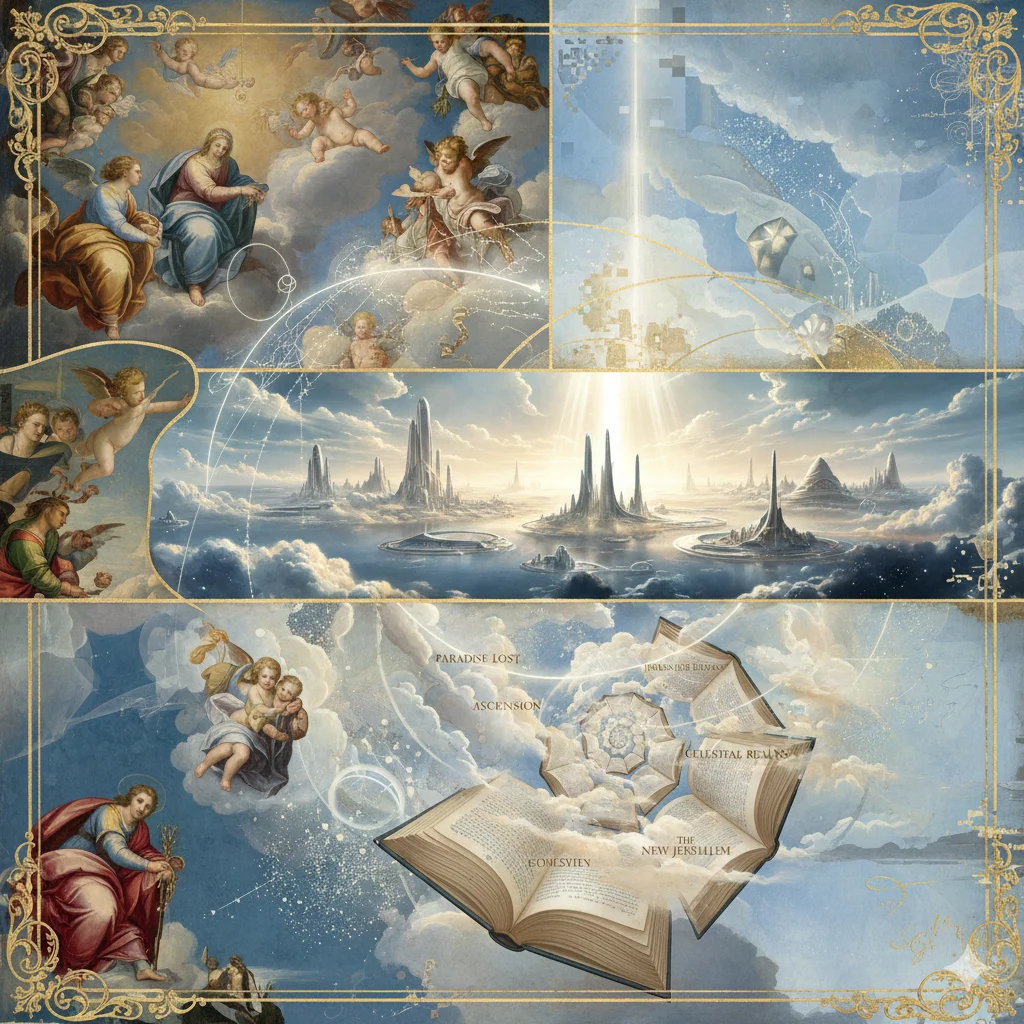
Heaven has inspired art, literature, and media for centuries, shaping how people imagine paradise. In classical paintings, artists like Michelangelo and Raphael depicted heaven with radiant light, angels, and ethereal landscapes, emphasizing its divine and majestic qualities. Stained glass windows in churches often portray heaven as a place of eternal light and worship, connecting the faithful to spiritual ideals.
In literature, heaven is frequently portrayed as a realm of reward and peace, from Dante’s Divine Comedy to modern novels exploring life after death. These depictions often combine religious imagery with human imagination, creating vivid visions of paradise.
Movies and television also bring cultural interpretations to life. Films like What Dreams May Come or Heaven is for Real visualize heaven as colorful, serene, and emotionally fulfilling, reflecting both spiritual teachings and artistic creativity.
Across cultures, these depictions highlight humanity’s universal longing for beauty, peace, and connection, demonstrating how heaven transcends religion to become a shared cultural and emotional concept.
Scientific and Philosophical Perspectives
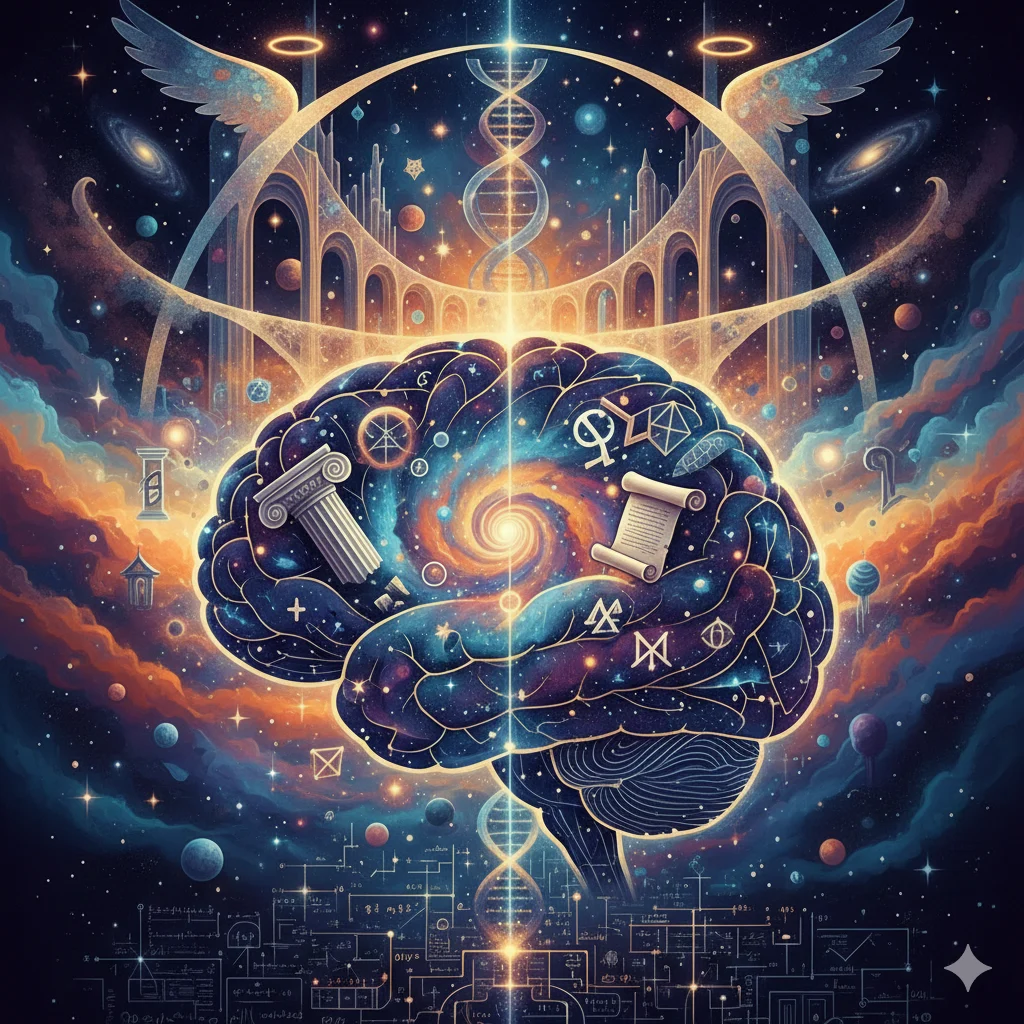
While heaven is primarily a spiritual concept, science and philosophy offer unique ways to interpret it. Philosophically, heaven can be seen as a symbol of the ultimate good, fulfillment, or ideal state of existence, representing humanity’s search for meaning and moral reward. Thinkers from Plato to modern philosophers have explored the idea of heaven as a state of perfection or transcendent consciousness, rather than a physical location.
From a scientific perspective, experiences of heaven—especially during near-death experiences (NDEs)—may be linked to brain activity under extreme stress. Some researchers suggest that the bright light, peace, and vivid imagery reported in NDEs could result from neurological and chemical processes. However, these explanations do not diminish the profound emotional and spiritual significance these experiences hold for individuals.
Ultimately, both philosophical and scientific perspectives highlight that heaven can be experienced or imagined subjectively, reflecting human desires for peace, connection, and a sense of transcendence beyond everyday life.
Common Themes Across Beliefs
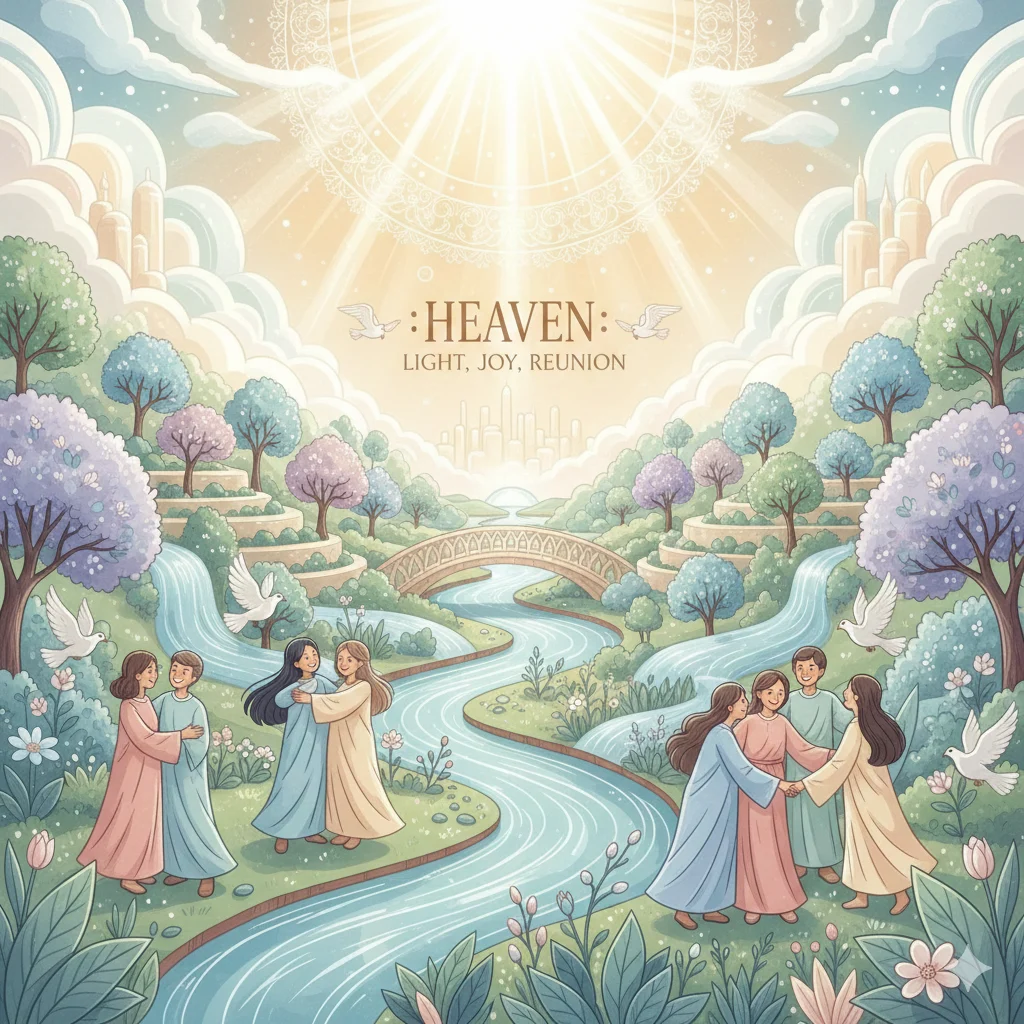
Despite differences in religious texts, personal visions, and cultural depictions, certain common themes of heaven emerge across traditions. One of the most universal is light, symbolizing purity, divine presence, and enlightenment. Many descriptions also emphasize beauty and abundance, such as gardens, rivers, and majestic landscapes, reflecting serenity and comfort.
Another recurring theme is peace and joy, where souls experience freedom from suffering, pain, and earthly worries. Reunion with loved ones or spiritual guides is frequently mentioned, highlighting connection and community as central elements of paradise. Music, worship, and celebration often appear in descriptions, symbolizing harmony and eternal happiness.
Finally, heaven is almost always presented as a reward or ultimate fulfillment, whether in religious, philosophical, or personal interpretations. These shared themes show that regardless of faith or culture, heaven represents humanity’s deep longing for peace, love, and transcendence, making it a universally meaningful concept.
How to Visualize Heaven Personally
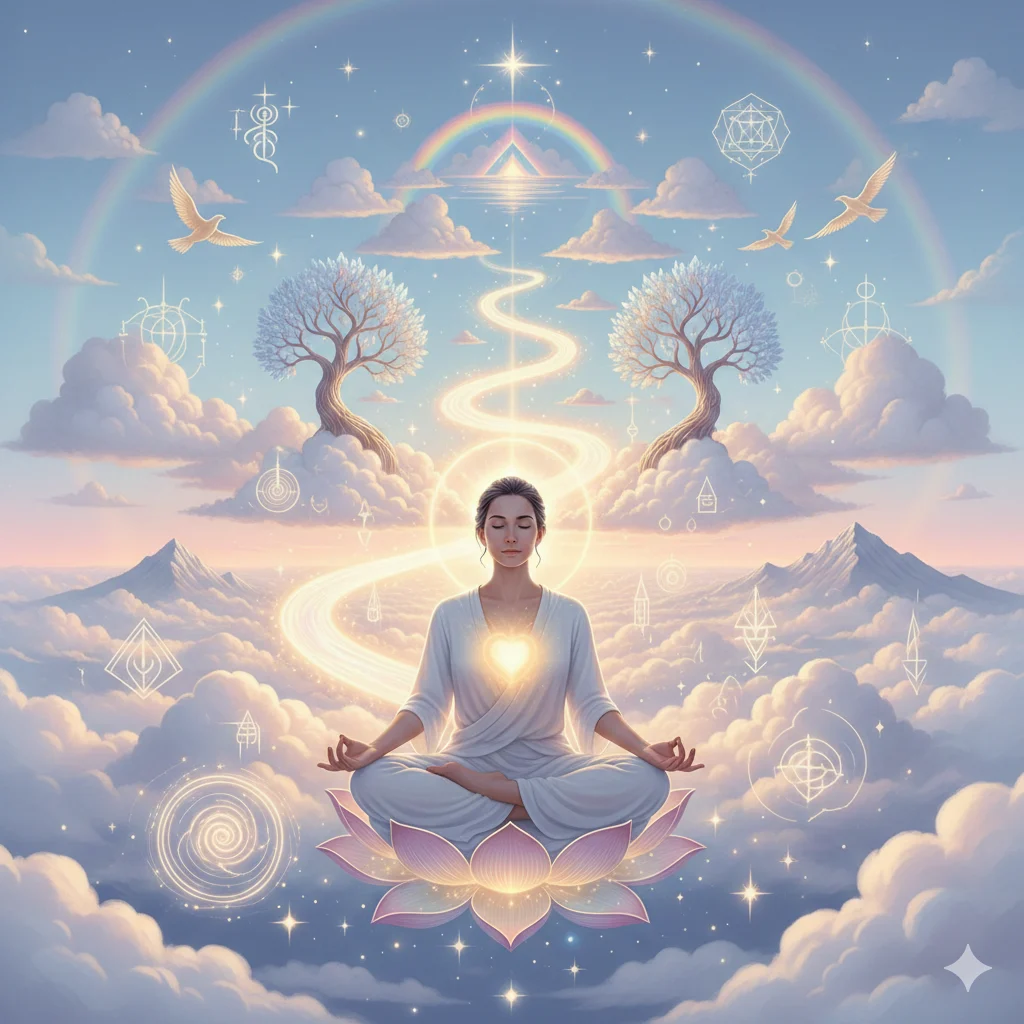
While religious texts and cultural depictions offer vivid imagery, heaven can also be a personal, spiritual experience. One way to connect with this idea is through meditation and prayer, allowing your mind to envision a place of peace, light, and love. Focusing on feelings of calm, joy, and connection can make this visualization deeply meaningful.
Creative expression is another way to imagine heaven. Drawing, painting, or writing can help bring your personal vision to life, whether it’s a sunlit garden, radiant skies, or serene landscapes. Music and guided visualization exercises can also enhance the experience, helping you explore heaven as a state of mind and soul, rather than a physical location.
Ultimately, personal visualization of heaven emphasizes inner peace, fulfillment, and spiritual connection. By creating your own image of paradise, you can make the concept of heaven more relatable, comforting, and inspiring, tailored to your beliefs and imagination.
FAQs About Heaven
1. What does heaven look like according to the Bible?
The Bible describes heaven with streets of gold, gates of pearl, and eternal light, filled with angels and worshippers. It symbolizes eternal peace and communion with God.
2. How is heaven described in the Quran?
The Quran depicts Jannah as lush gardens with rivers of milk, honey, and wine, palaces for the faithful, and eternal comfort. It represents reward for righteous living.
3. Can heaven be experienced on Earth?
Many believe heaven can be experienced spiritually through meditation, prayer, acts of kindness, or deep connection with others. It may not be a physical place but a state of peace and fulfillment.
4. Do all religions describe heaven the same way?
No. Each religion has unique imagery and symbolism, but common themes like light, peace, beauty, and reunion are shared across faiths.
5. Is heaven literal or symbolic?
Heaven can be both literal and symbolic, depending on personal belief. Some see it as a physical paradise, while others view it as a spiritual state of joy and divine connection.
6. Can personal experiences or visions of heaven be trusted?
Many personal visions, including near-death experiences, provide meaningful insights. Whether symbolic or literal, they often reflect human longing for peace and transcendence.
Conclusion
The question “What does heaven look like?” has fascinated humans for centuries, inspiring religious texts, personal visions, art, literature, and philosophy.
Across faiths, heaven is described as a realm of beauty, light, peace, and divine presence, often portrayed with gardens, rivers, radiant beings, and reunion with loved ones.
While descriptions vary, common themes like joy, fulfillment, and eternal tranquility appear in nearly every tradition.
Beyond scripture and doctrine, personal experiences and near-death encounters reveal heaven as a state of love, calm, and spiritual connection, showing that it may be as much a state of consciousness as a physical place.
Cultural depictions and creative interpretations further enrich our imagination, allowing each person to visualize heaven in a way that resonates personally.
Ultimately, heaven symbolizes humanity’s deep longing for peace, reward, and transcendence.
If literal or symbolic, exploring these perspectives offers comfort, inspiration, and a meaningful way to reflect on life, spirituality, and the mysteries of the afterlife.