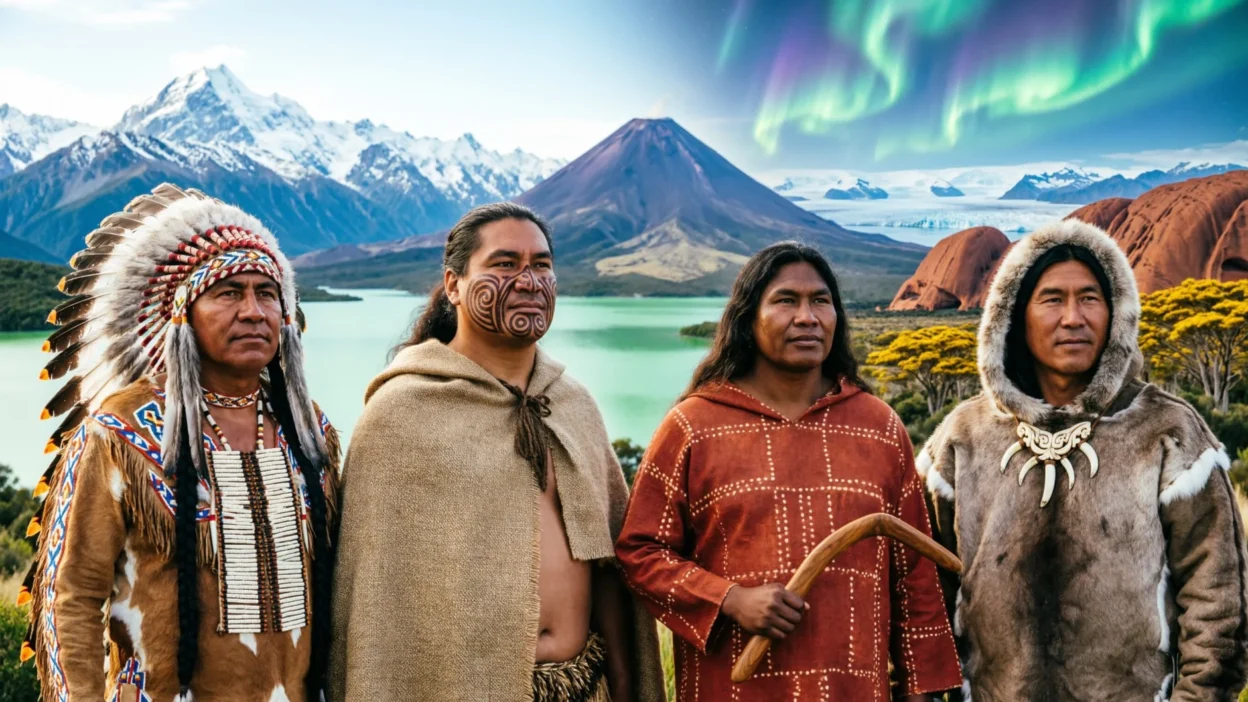
Definition: Indigenous refers to people, communities, plants, or animals that originate naturally from a specific region. When applied to humans, it describes groups with ancestral ties, unique cultural traditions, and historical roots in a particular place.
Indigenous peoples maintain a strong connection to their land, heritage, and social systems, which have survived generations of colonization and external influences.
Understanding what does indigenous mean is essential in today’s world, where discussions about culture, history, and social justice are increasingly common.
The term is often used in education, environmental studies, and social discourse, yet many readers seek a clear, accurate, and respectful explanation.
At its core, indigenous describes communities or species that originated naturally in a specific place. For humans, it refers to groups with ancestral ties, distinct languages, cultural practices, and historical continuity.
Indigenous peoples preserve traditions, knowledge systems, and ways of life that connect deeply to their ancestral lands.
This article provides a reliable, well-researched guide on indigenous meaning, including examples from around the world, historical context, cultural significance, and modern relevance.
It also answers common questions like “What does Indigenous mean in simple words?”, “What does it mean if someone is Indigenous?”, and “What is the difference between Indigenous and native?” while explaining indigenous species meaning, culture, and knowledge in simple, accessible terms.
Indigenous Meaning
Indigenous describes anything or anyone that originates naturally from a specific region. For humans, it refers to communities living in a place for generations before external settlers arrived. These communities maintain unique languages, traditions, and social systems tied to their ancestral lands.
Key characteristics of indigenous peoples:
- Connection to land: A spiritual and cultural link to ancestral territories.
- Cultural traditions: Unique languages, rituals, and arts preserved over generations.
- Historical continuity: Presence in a region before colonization or modern political borders.
Examples:
- People: Native Americans, Māori, Aboriginal Australians
- Animals: Kangaroos (Australia), Bald eagles (North America)
- Plants: Saguaro cactus (Sonoran Desert)
This section answers “What does Indigenous mean in simple words?” and “What does Indigenous mean for kids?” in an accessible way.
Indigenous People Definition
Who are indigenous people?
Indigenous peoples are communities with historical roots in specific regions, distinct cultural traditions, and deep ancestral connections to their lands.
Common traits:
- Ancestral land ties
- Unique languages and oral traditions
- Cultural practices like rituals, music, and art
- Community governance and leadership structures
- Resilience against colonization and displacement
Global recognition:
International bodies, including the UN, acknowledge indigenous peoples for their rights, heritage, and contributions to society. This section naturally includes “indigenous people meaning” and “indigenous community meaning.”
What Does Indigenous Mean in History
Historically, indigenous referred to populations that existed in a region long before colonization or external settlers. These groups maintained cultural traditions, social systems, and connections to their land.
Over time, the term expanded from geography and biology to include human communities, emphasizing ancestral ties, cultural identity, and historical continuity.
Historical importance:
- Preservation of cultural traditions
- Influence on agriculture, medicine, and environmental knowledge
- Maintenance of social and political systems
This section targets queries like “what does indigenous mean in history.”
Examples of Indigenous Peoples Around the World
North America: Native American leagues (Navajo, Cherokee), Inuit in the Arctic.
Australia: Aboriginal Australians, Torres Strait Islanders.
New Zealand: Māori communities.
Latin America: Quechua and Aymara leagues, Amazonian leagues.
Africa: San people, Maasai.
Asia: Ainu in Japan, various indigenous leagues in northeastern India.
Arctic: Sami people in Scandinavia.
This section naturally incorporates “indigenous examples,” “indigenous australians,” and “indigenous people of Arizona NYT.”
Indigenous vs Native vs Aboriginal vs Tribal (Comparison Section)
| Term | Meaning | Typical Usage | Example |
| Indigenous | Original inhabitants or species | International, cultural, legal | Māori in New Zealand |
| Native | Naturally occurring | Everyday, casual | Bald eagle in North America |
| Aboriginal | First peoples of a region (esp. Australia) | Regional, historical | Aboriginal Australians |
| Tribal | Social/political organization of a group | Cultural, anthropological | Maasai in Kenya |
This answers “What is the difference between Indigenous and native?” while clarifying nuances in terminology.
Indigenous Meaning in Geography and Biology
Indigenous species meaning: Plants and animals naturally originating in a region.
Examples:
- Kangaroos (Australia)
- Saguaro cactus (Sonoran Desert)
Environmental importance:
- Maintains biodiversity
- Supports ecosystem stability
- Protects regional habitats
This section targets “indigenous species meaning” and demonstrates wider usage beyond humans.
Indigenous Culture and Identity
Cultural practices: Language, art, music, rituals.
Connection to land: Spiritual and cultural significance of ancestral territories.
Modern preservation: Revitalization of languages and traditions through education, festivals, and international recognition.
This covers “indigenous culture meaning” and “indigenous knowledge meaning.”
Why the Term Indigenous Matters Today
- Human rights: Recognition of land rights and cultural preservation
- Legal and political context: Special protections, treaties, and governance
- Representation: Respectful usage counters stereotypes and promotes inclusion
This section naturally includes queries like “indigenous peoples day,” “indigenous peoples day 2025,” and “happy indigenous peoples day.”
Common Misunderstandings About Indigenous
- Does not mean rudimentary or ancient
- Not always a minority
- Applies globally, not one-size-fits-all
- Also refers to plants and animals
- Respectful usage is essential
Indigenous Meaning in Simple Words (Beginner-Friendly Section)
- Indigenous = “originally from a place”
- People, animals, and plants with long-term regional roots
- Examples: Native Americans, kangaroos, saguaro cactus
- Helps children and beginners understand “What does Indigenous mean for kids?”
FAQ Section
- What does indigenous mean in simple terms?
- Is indigenous the same as native?
- What does it mean if someone is Indigenous?
- Who are indigenous people?
- Can someone become indigenous?
- What is indigenous culture?
- Indigenous meaning in geography & biology
- Why is understanding indigenous important?
- Difference between indigenous and aboriginal
This FAQ captures multiple target queries naturally.
Conclusion
Understanding what does indigenous mean goes beyond a dictionary definition.
It describes people, species, and communities originating naturally in a region, preserving culture, knowledge, and ancestral connections.
Recognizing indigenous peoples fosters respect, awareness, and inclusion, while valuing biodiversity and cultural heritage.
By learning its true meaning, readers gain insight into indigenous culture, knowledge, history, and modern significance, helping them engage thoughtfully with the world and celebrate diversit.