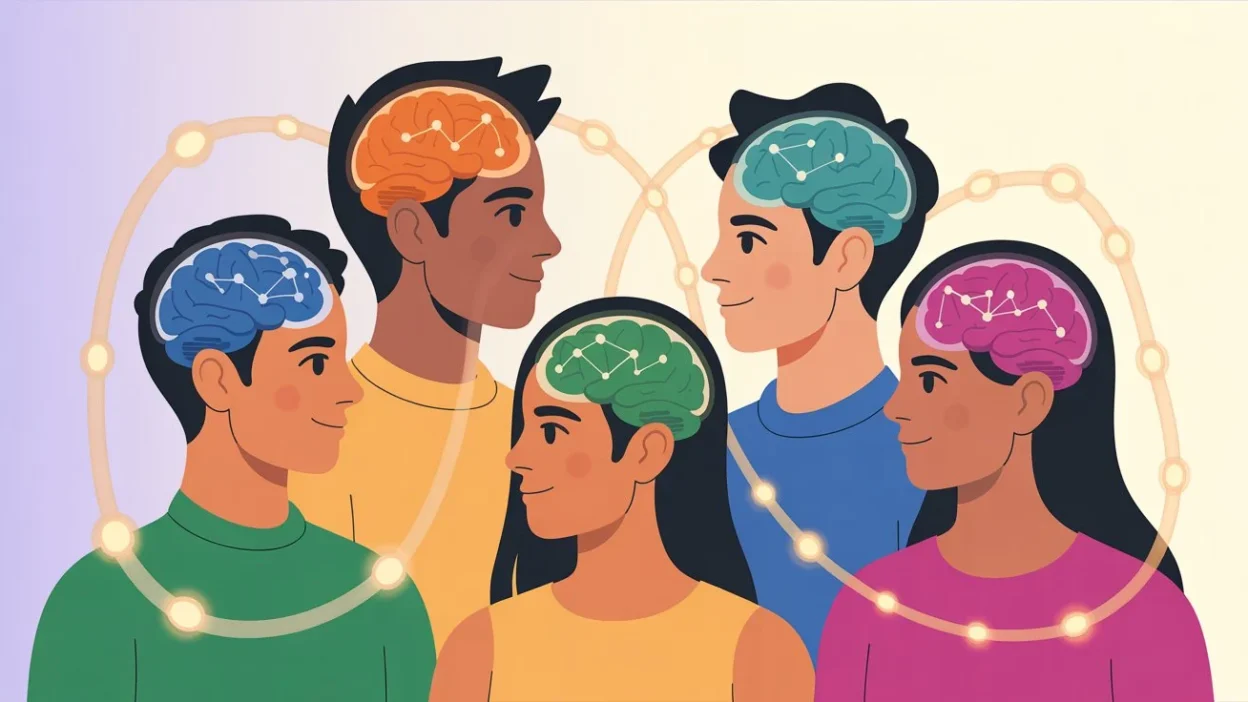
The word neurodivergent has become increasingly common in conversations about mental health, education, and inclusion. You may see it on social media, hear it at work, or encounter it in discussions about learning differences—and wonder what it actually means.
Simply put, neurodivergent describes people whose brains work differently from what society considers “typical.” This difference can affect how someone thinks, learns, communicates, or experiences the world.
Being neurodivergent is not about being broken or needing to be fixed. Instead, it recognizes that human brains naturally vary, just like personalities or talents do. Conditions such as autism, ADHD, and dyslexia are often described as neurodivergent, but the term itself is broader and more inclusive.
In this article, we’ll explain what neurodivergent means in clear, simple language, how it differs from neurotypical, and why understanding neurodiversity matters in everyday life.
What Does Neurodivergent Mean?
Neurodivergent refers to people whose brains function differently from what is considered typical. These differences can affect how someone thinks, learns, focuses, communicates, or responds to sensory input like sound, light, or touch. Being neurodivergent is not an illness—it simply describes a variation in brain function.
The word comes from “neuro,” meaning brain or nervous system, and “divergent,” meaning different. Together, they describe brains that develop or work differently from the majority of people.
Neurodivergent is an umbrella term, including a wide range of differences such as autism, ADHD, dyslexia, and other neurodevelopmental variations. Some people are diagnosed in childhood, while others discover they are neurodivergent later in life. Most importantly, the term highlights understanding and acceptance rather than labeling people as “normal” or “abnormal.”
What Is Neurodiversity?
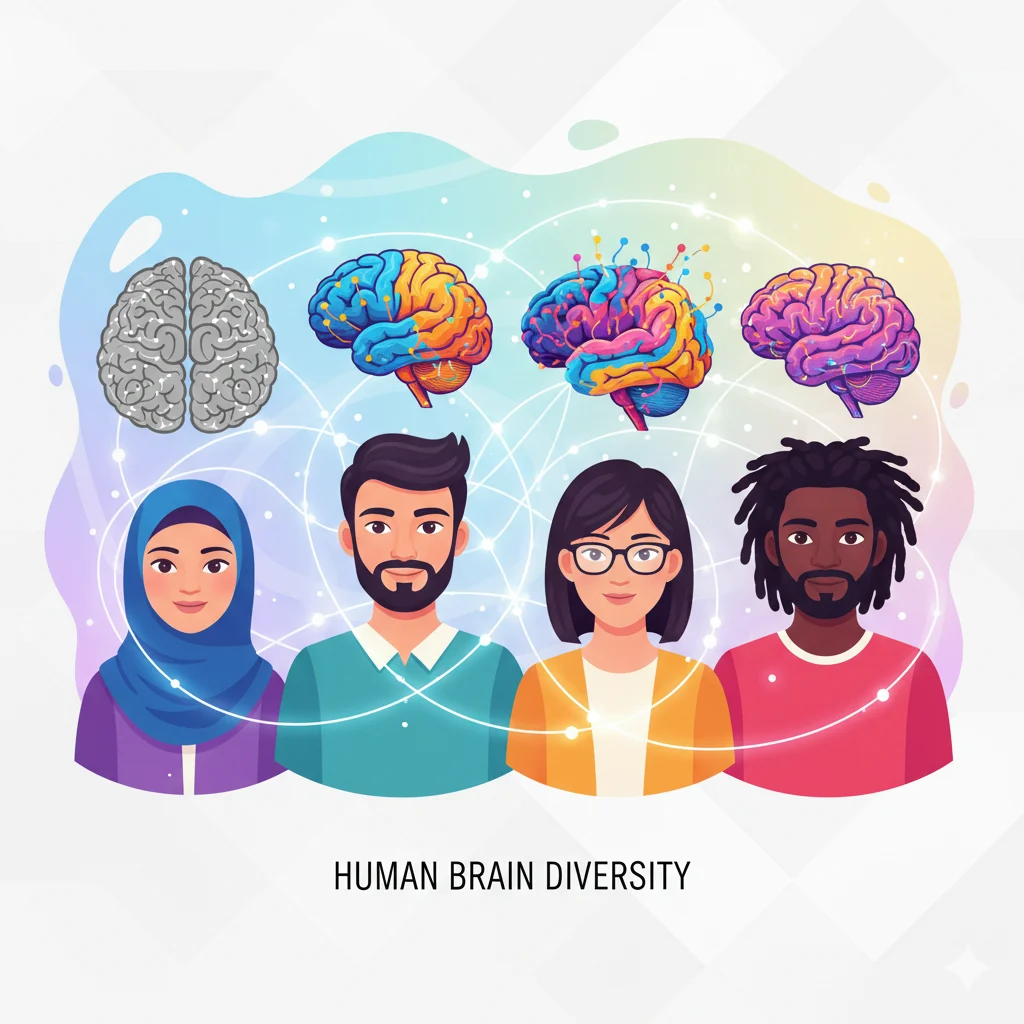
Neurodiversity is the idea that there is no single “normal” type of brain. Human brains naturally vary in how they think, learn, process information, and experience the world. Just as people differ in personality, culture, or physical traits, they also differ neurologically.
The term neurodiversity was introduced in the late 1990s to promote acceptance of neurological differences. Rather than viewing these differences only as problems, neurodiversity emphasizes that brain diversity is a natural and valuable part of humanity.
People whose brains function typically are called neurotypical, while those whose brains work differently are neurodivergent. Understanding neurodiversity helps create inclusive classrooms, workplaces, and communities, encouraging everyone to thrive.
What Does It Mean to Be Neurodivergent?
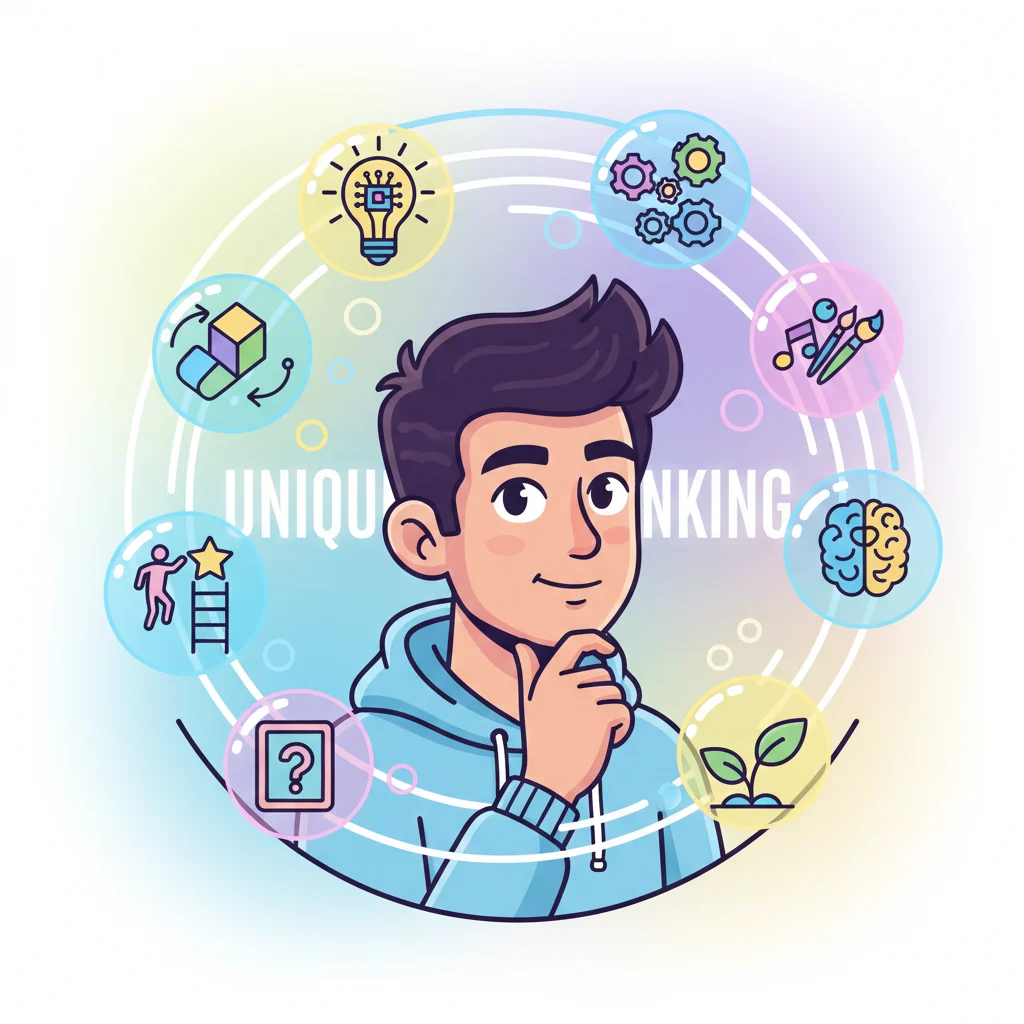
Being neurodivergent means a person experiences the world differently than neurotypical individuals. This can affect learning, communication, focus, social interactions, or sensory experiences.
For some, neurodivergence shows in learning styles, such as needing extra time to process information or preferring visual learning. Others may display strong attention to detail, deep focus on certain interests, or creative problem-solving. Neurodivergent traits can also pose challenges in environments designed mainly for neurotypical people.
It’s important to remember that neurodivergence looks different for everyone. Two neurodivergent people can have very different strengths and challenges. Overall, neurodivergent brains are different, not deficient, and thrive with understanding and support.
Neurodivergent vs Neurotypical
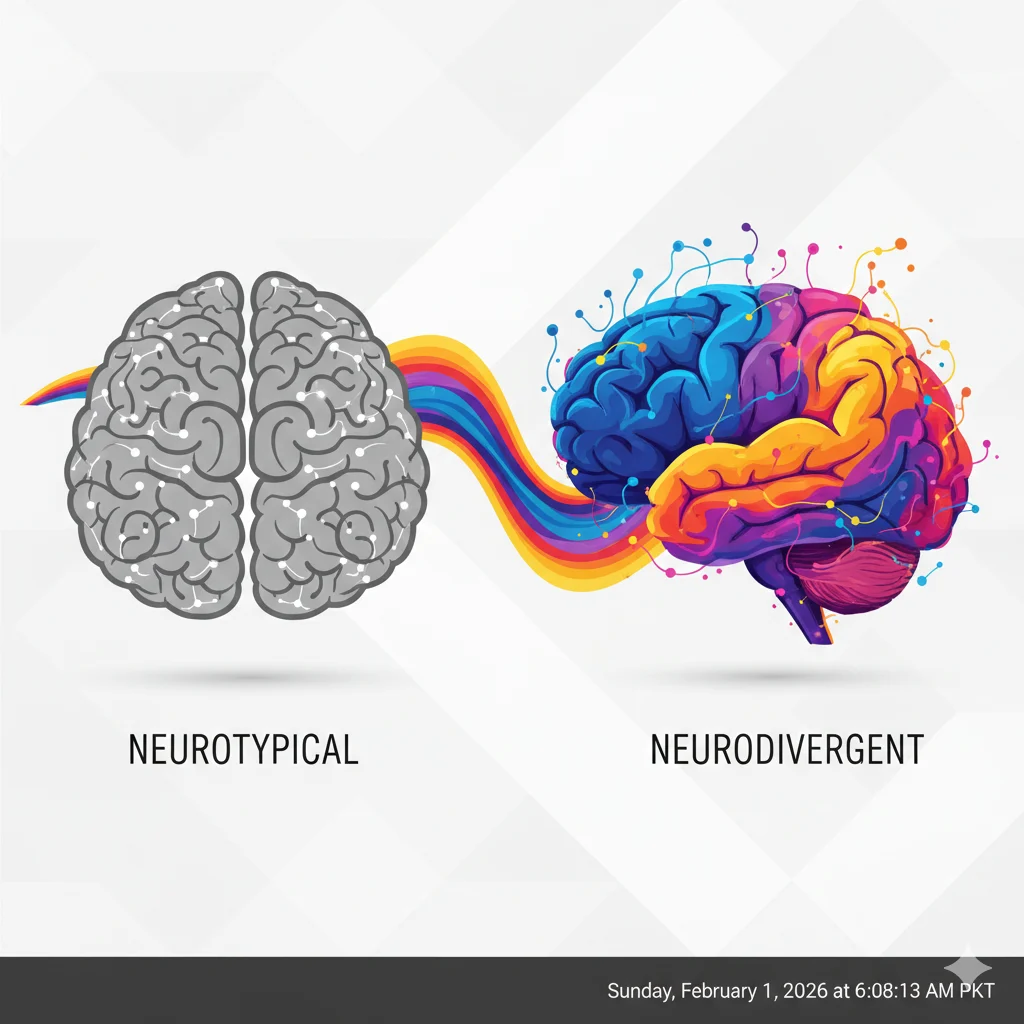
Neurodivergent and neurotypical are terms that describe different brain functions. Neurotypical people’s brains align with societal expectations, often making it easier to navigate school, work, and social systems.
Neurodivergent people’s brains work differently in areas like attention, learning, social interaction, and sensory processing. While they may face challenges in neurotypical-focused environments, they also bring unique perspectives, creativity, and problem-solving skills.
Understanding this difference helps reduce stigma and encourages inclusive practices in education, workplaces, and daily life.
What Conditions Are Considered Neurodivergent?

Neurodivergence includes a variety of neurological and developmental differences. Common examples include:
- Autism Spectrum Disorder (ASD): Affects communication, social interaction, and sensory processing. Autistic people may show strong focus and unique perspectives.
- ADHD (Attention-Deficit/Hyperactivity Disorder): Impacts attention, impulsivity, and energy levels. Often comes with creativity and hyperfocus abilities.
- Dyslexia: Affects reading, spelling, and language processing, while often enhancing visual thinking and problem-solving skills.
- Dyspraxia: Influences coordination and motor planning.
- Dyscalculia: Affects understanding of numbers and math concepts.
- Tourette Syndrome: Causes involuntary movements or sounds known as tics.
These conditions are diverse and vary widely from person to person. Being neurodivergent describes differences in brain function, not ability.
Is Neurodivergent the Same as Autism?
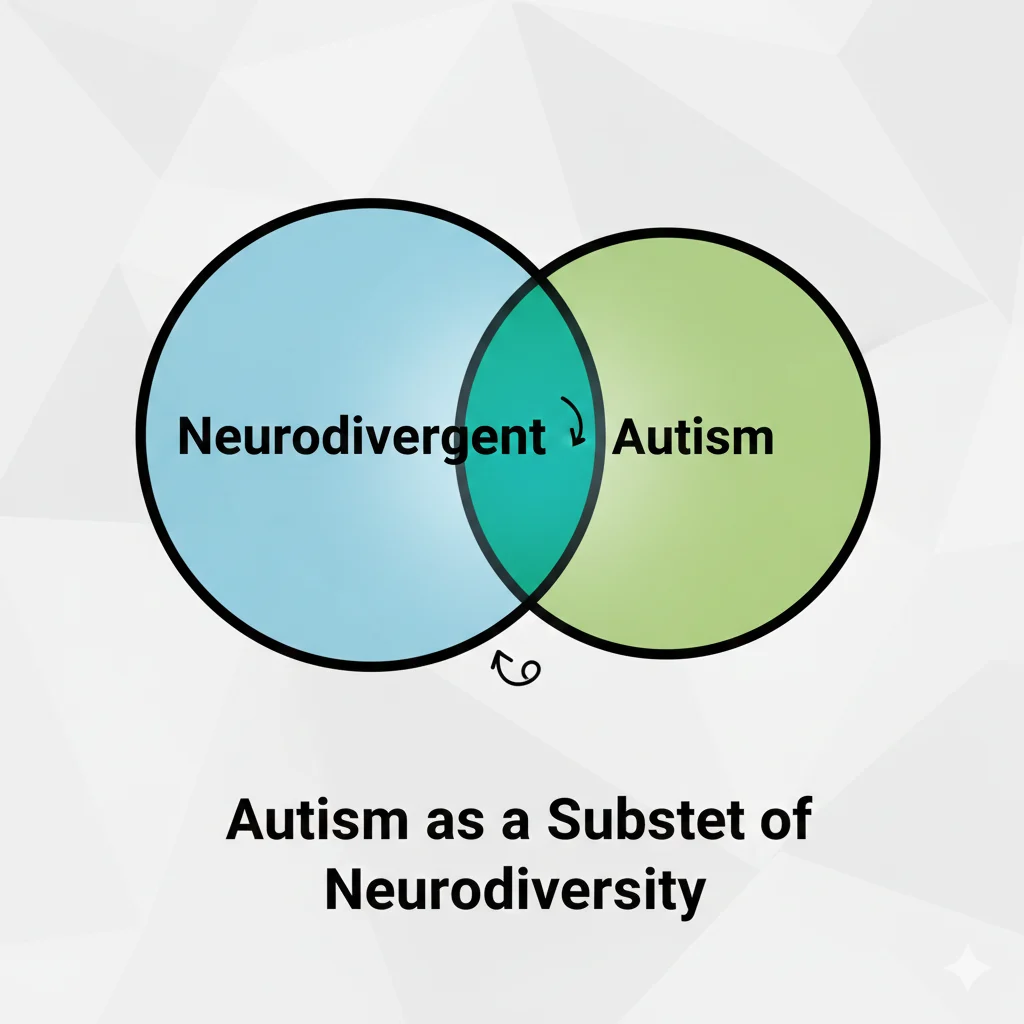
No. While autism is neurodivergent, not all neurodivergent people are autistic. Autism is a specific neurodevelopmental condition with distinct traits, while neurodivergent is a broader term that includes autism, ADHD, dyslexia, and more.
Using the term neurodivergent encourages inclusion and understanding of all neurological differences, not just one specific condition.
Is ADHD Neurodivergent?
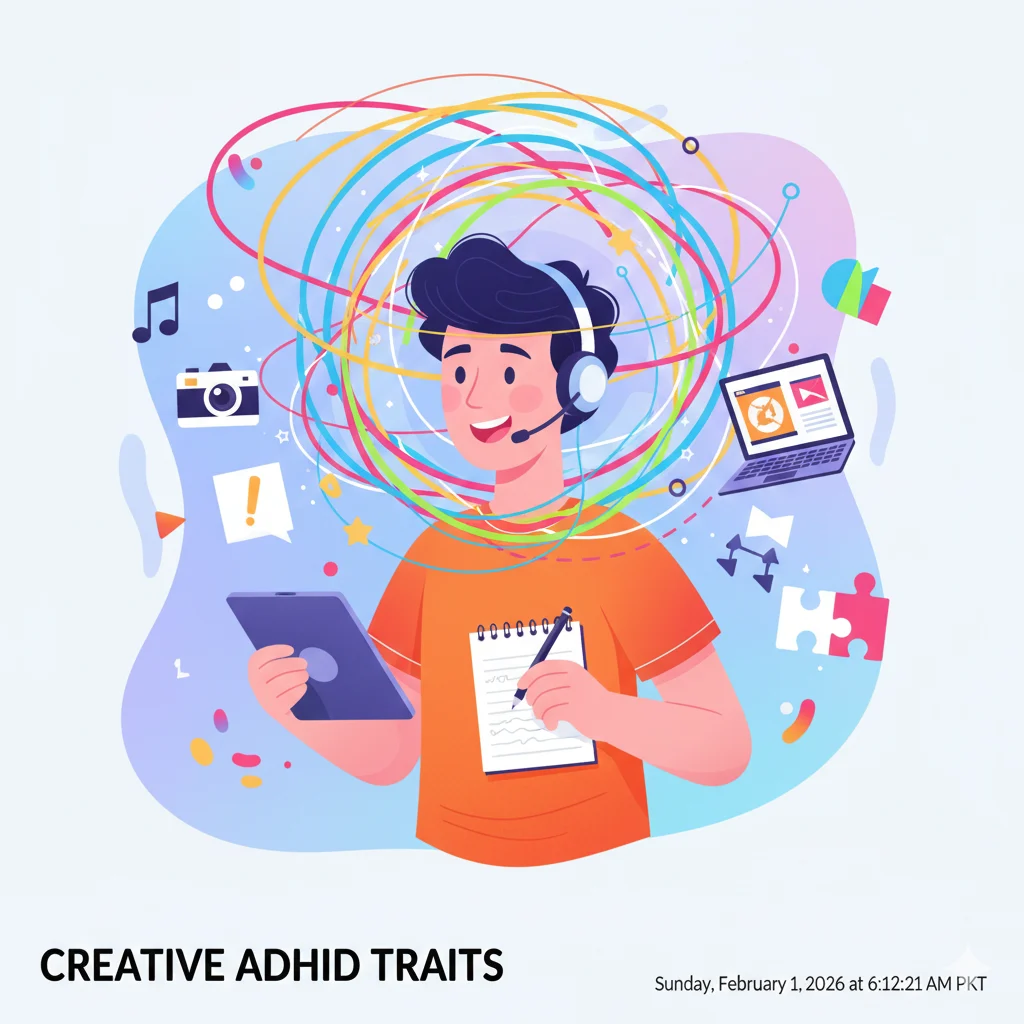
Yes. ADHD is part of the neurodivergent spectrum. People with ADHD may experience differences in focus, attention, and impulse control. They often bring creativity, energy, and hyperfocus, showing that neurodivergence comes with both challenges and strengths.
Recognizing ADHD as neurodivergent helps reduce stigma and encourages supportive environments in schools, workplaces, and daily life.
Is Neurodivergent a Disability?
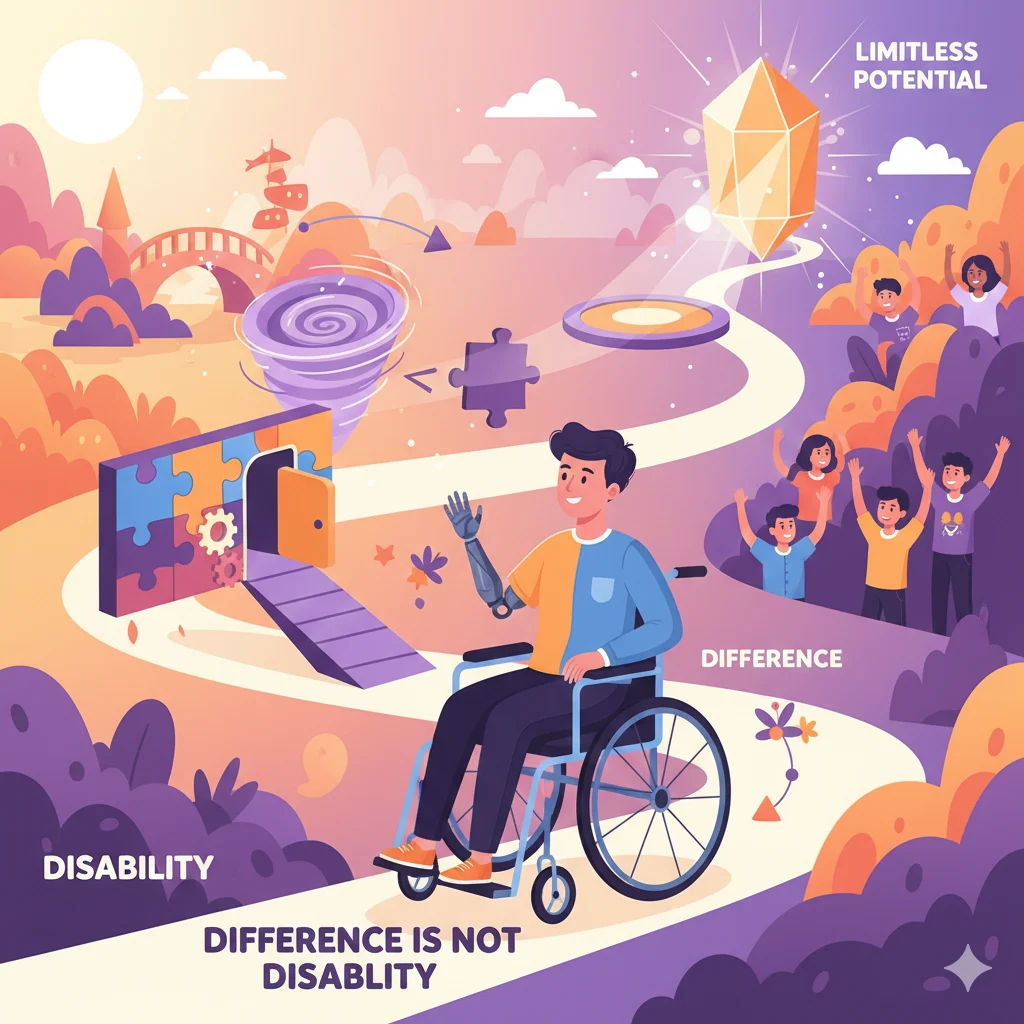
Not always. Being neurodivergent doesn’t automatically mean a disability, but some traits may create challenges in environments built for neurotypical people.
- Medical model: Focuses on conditions as problems to be fixed.
- Social model: Emphasizes that disability arises when society does not accommodate differences.
With support and accommodations—like flexible schedules, inclusive classrooms, or sensory-friendly spaces—neurodivergent people can thrive. Neurodivergence is difference, not deficiency.
Is Neurodivergent a Medical Diagnosis?
No. Neurodivergent is a descriptive term, not a medical diagnosis. While individuals may have formal diagnoses like autism or ADHD, the term itself is broader and emphasizes natural variation in brain function rather than a clinical label.
Is Being Neurodivergent a Bad Thing?

Absolutely not. Neurodivergence is different, not bad. Neurodivergent brains often bring:
- Creativity and innovative problem-solving
- Hyperfocus on areas of interest
- Attention to detail and pattern recognition
Challenges may exist in neurotypical-focused environments, but with understanding and support, neurodivergent individuals can thrive and contribute meaningfully.
Signs Someone May Be Neurodivergent
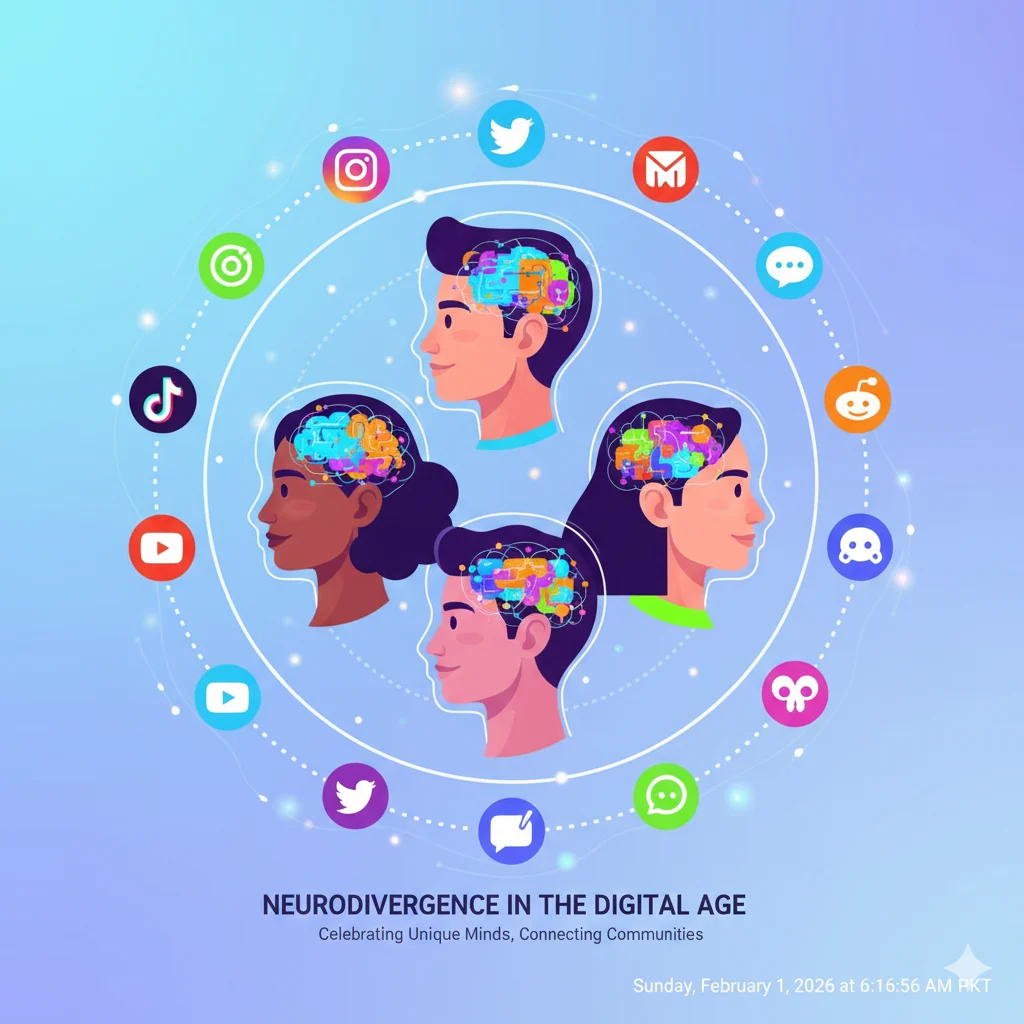
Common traits include:
- Learning differences: Reading, writing, or math challenges.
- Attention variations: Hyperfocus or distractibility.
- Social interaction differences: Difficulty interpreting cues or navigating groups.
- Sensory sensitivities: Strong reactions to light, sound, or textures.
- Emotional regulation differences: Intense or variable emotional responses.
- Unique thinking patterns: Creativity and alternative problem-solving approaches.
These signs alone do not confirm neurodivergence. Professional assessment or self-awareness helps clarify differences.
How Do People Find Out They Are Neurodivergent?
Neurodivergence can be recognized in childhood through assessments and teacher observations, or in adulthood through reflection and self-discovery. Formal diagnoses can guide accommodations, but self-awareness is also valid. Awareness enables individuals to understand their strengths and challenges and seek support where needed.
Neurodivergent in Children vs Adults
Neurodivergence appears differently across ages:
- Children: Traits may be noticeable in learning, social interactions, or sensory sensitivity. Early support helps them thrive.
- Adults: Some may have adapted or masked traits. Challenges can appear in work, organization, or social life, but self-awareness and support help manage them.
Neurodivergence in School and Learning
Schools often cater to neurotypical students, which can challenge neurodivergent learners. Supportive strategies include:
- Individualized learning plans
- Visual or hands-on learning methods
- Quiet spaces or sensory breaks
- Inclusive teaching practices
These accommodations help students succeed academically and socially.
Neurodivergent in the Workplace
Neurodivergent employees may face challenges like sensory overload or social misunderstandings but also bring creativity, innovation, and focus. Supportive workplaces provide:
- Flexible schedules or remote work
- Clear instructions and structured processes
- Sensory-friendly spaces
- Respect for diverse communication styles
Inclusivity benefits both employees and organizations.
How Is the Term Neurodivergent Used Today?
The term appears in:
- Education: Supporting students with diverse learning needs
- Workplaces: Encouraging inclusion and accommodations
- Social Media & Communities: Sharing experiences and resources
- Mental Health: Promoting understanding without stigma
Using the term fosters respect, awareness, and acceptance.
How to Support Neurodivergent People
Support includes:
- Respecting differences and listening
- Providing accommodations and flexible environments
- Clear and direct communication
- Encouraging strengths and creativity
- Promoting inclusive communities
Support focuses on removing barriers, not “fixing” people.
Common Myths About Neurodivergence
- Neurodivergent people are not intelligent → False
- All neurodivergent people act the same → False
- Neurodivergence needs to be cured → False
- Neurodivergent people cannot succeed → False
- Neurodivergence is rare → False
Debunking myths promotes understanding and respect.
Why Understanding Neurodivergence Matters
Understanding neurodivergence:
- Improves education and learning outcomes
- Enhances workplace inclusion and productivity
- Supports mental health and reduces stigma
- Encourages self-awareness and advocacy
- Values diverse ways of thinking
It shifts the focus from labeling differences as problems to celebrating brain diversity.
Frequently Asked Questions (FAQs)
1. What does neurodivergent mean in simple terms?
It means a brain that works differently from what society considers typical.
2. Can adults be neurodivergent?
Yes, neurodivergence can be recognized at any age.
3. Is anxiety considered neurodivergent?
Not usually; neurodivergent refers to neurological differences like autism, ADHD, or dyslexia.
4. Is neurodivergent a disorder?
No, it describes a variation in brain function, not a disorder.
5. Can someone be both neurotypical and neurodivergent?
No, but traits can exist on a spectrum.
6. What are common examples of neurodivergence?
Autism, ADHD, dyslexia, dyspraxia, dyscalculia, Tourette syndrome.
7. How can I support neurodivergent people?
Listen, respect differences, provide accommodations, encourage strengths, and create inclusive environments.
8. Is being neurodivergent a bad thing?
No, it comes with unique strengths and perspectives.
9. How do you know if someone is neurodivergent?
Look for differences in learning, focus, sensory processing, or social interactions; professional assessment helps.
10. Why is understanding neurodivergence important?
It promotes acceptance, inclusion, and better education, workplace, and mental health outcomes.
Conclusion
Being neurodivergent means having a brain that functions differently from what society considers typical. These differences come with both challenges and unique strengths. Neurodivergence is natural, valuable, and deserving of understanding, support, and respect.
By learning about neurodivergence and neurodiversity, we can create inclusive schools, workplaces, and communities. Recognizing differences allows neurodivergent individuals to thrive, while society benefits from their creativity, innovation, and fresh perspectives.
Ultimately, understanding neurodivergence shifts the focus from labeling differences as problems to celebrating the variety of human minds.