Have you ever felt suddenly overwhelmed by noise, screens, people, or even your own thoughts? That feeling is often described as being overstimulated. In today’s fast-paced world, where notifications never stop and our brains are constantly processing information, overstimulation has become very common. But what does overstimulated mean exactly, and why does it happen?
In simple terms, being overstimulated means your brain is receiving more input than it can comfortably handle. This input can come from sounds, lights, conversations, emotions, or digital screens. When too much is happening at once, your mind and body struggle to keep up, leading to stress, irritability, and mental fatigue.
Understanding overstimulation is important because it helps you recognize what your body is telling you. Once you know the signs and causes, you can take small steps to calm your mind and regain balance. In this article, we’ll break down the meaning of overstimulated, explain why it happens, share real-life examples, and show you practical ways to feel better when everything feels like “too much.”
What Does Overstimulated Mean?
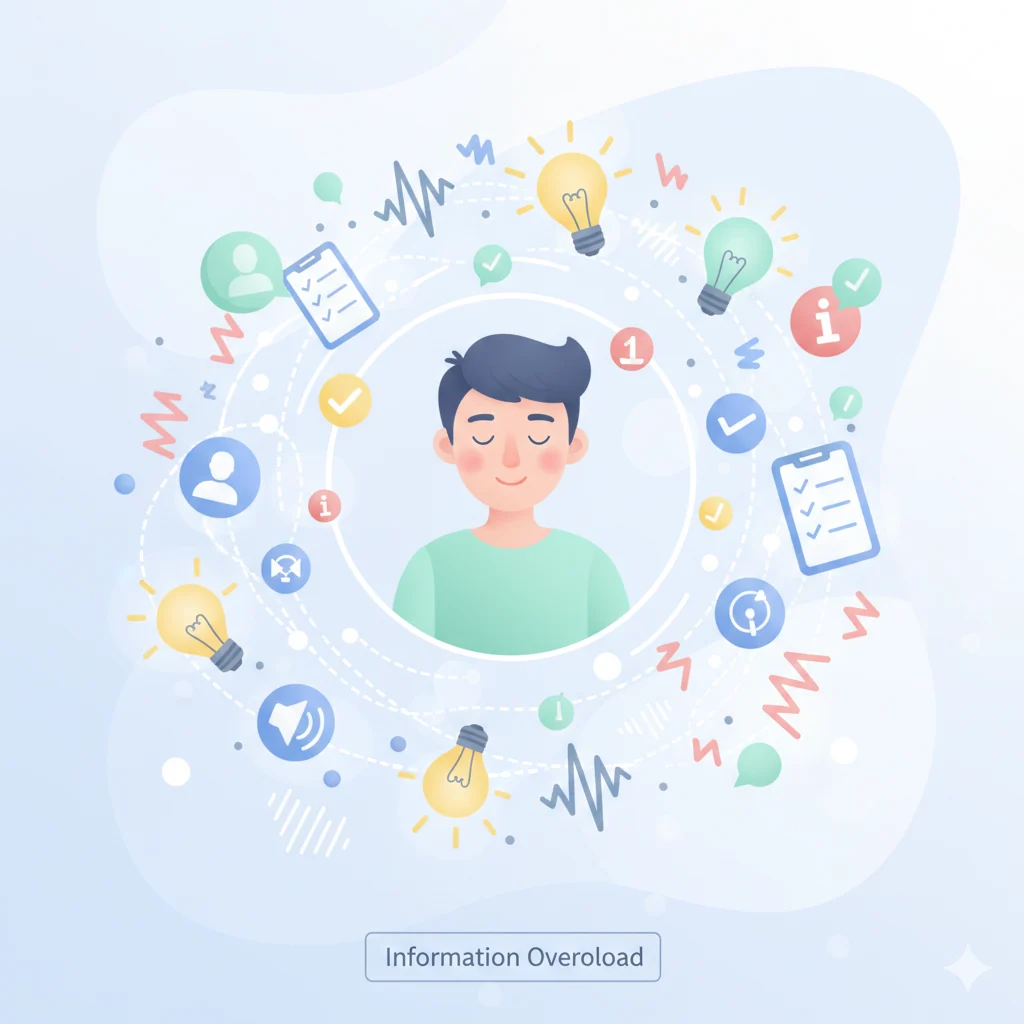
The term overstimulated means that your brain and body are receiving too much information at one time, making it hard to think clearly or stay calm. This information can come from many sources, such as loud noises, bright lights, constant phone notifications, busy environments, strong emotions, or even too many thoughts happening at once.
When you are overstimulated, your brain struggles to process everything it is taking in. Instead of handling things smoothly, it becomes overloaded. As a result, you may feel irritated, anxious, tired, restless, or mentally “shut down.” Some people also experience physical signs like headaches, fast heartbeat, or difficulty focusing.
Being overstimulated does not mean something is wrong with you. It is a natural response to too much stimulation, especially in modern life where screens, social media, and multitasking are everywhere. Everyone experiences overstimulation differently. What feels overwhelming to one person may feel normal to another.
In simple words, overstimulated means your system needs a break. Your mind is asking for rest, quiet, or less input. Understanding this definition is the first step toward recognizing the signs early and taking action before stress and exhaustion build up.
What Is Overstimulation?
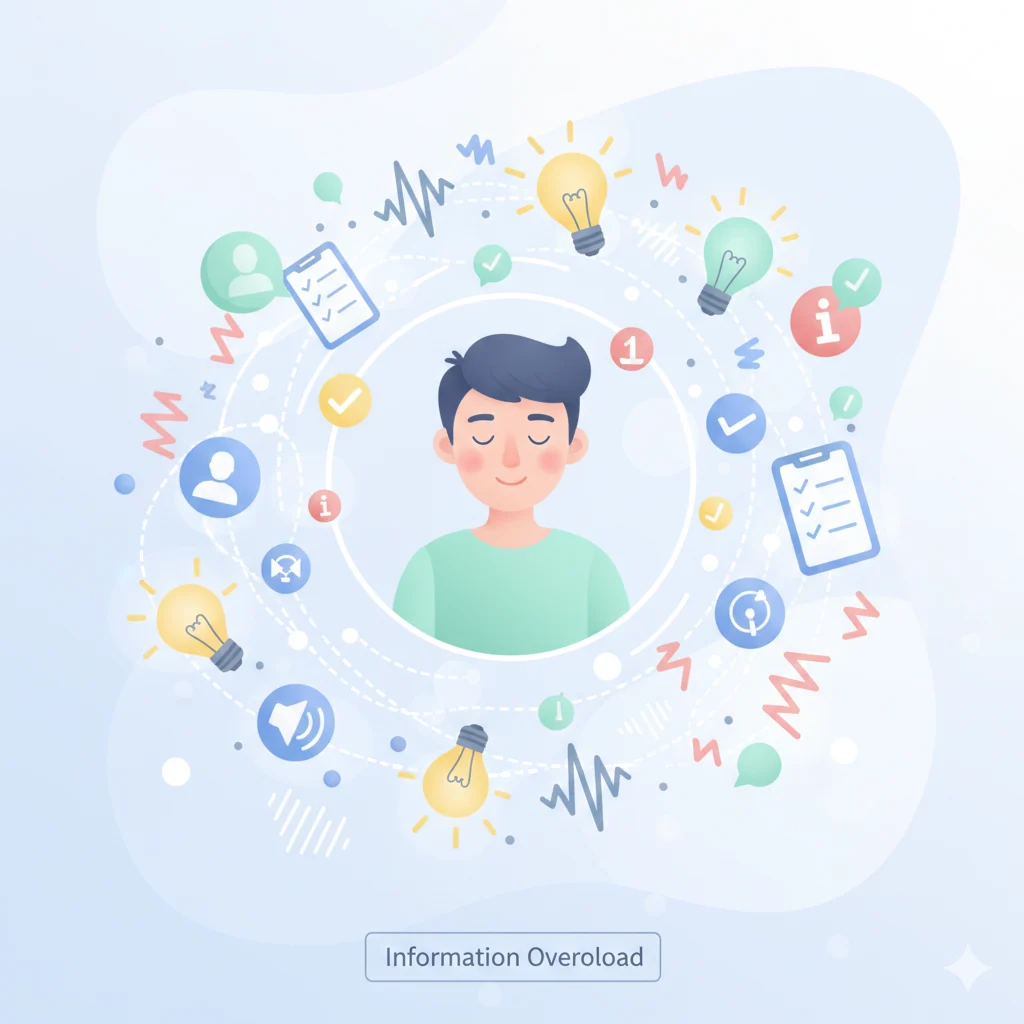
Overstimulation is a state where your brain receives more sensory, mental, or emotional input than it can manage at once. Instead of processing information smoothly, the brain becomes overloaded, which leads to discomfort, stress, and a strong desire to escape or shut down. This can happen suddenly or build up slowly over time.
Your brain is designed to filter information, but it has limits. When too many things demand your attention—such as noise, lights, conversations, screens, or emotional pressure—those limits are reached. Once that happens, your nervous system shifts into a stress response. This is why overstimulation often comes with feelings like irritability, anxiety, confusion, or exhaustion.
Overstimulation can be sensory (too much noise or light), mental (too many thoughts or decisions), or emotional (intense feelings or social pressure). In many cases, people experience a mix of all three. Modern lifestyles make this more common, especially with constant digital exposure and multitasking.
Importantly, overstimulation is not an illness or disorder. It is a temporary condition that signals your body needs rest, quiet, or reduced input. Recognizing what overstimulation is helps you understand your limits and respond in healthier ways before burnout sets in.
Signs and Symptoms of Being Overstimulated
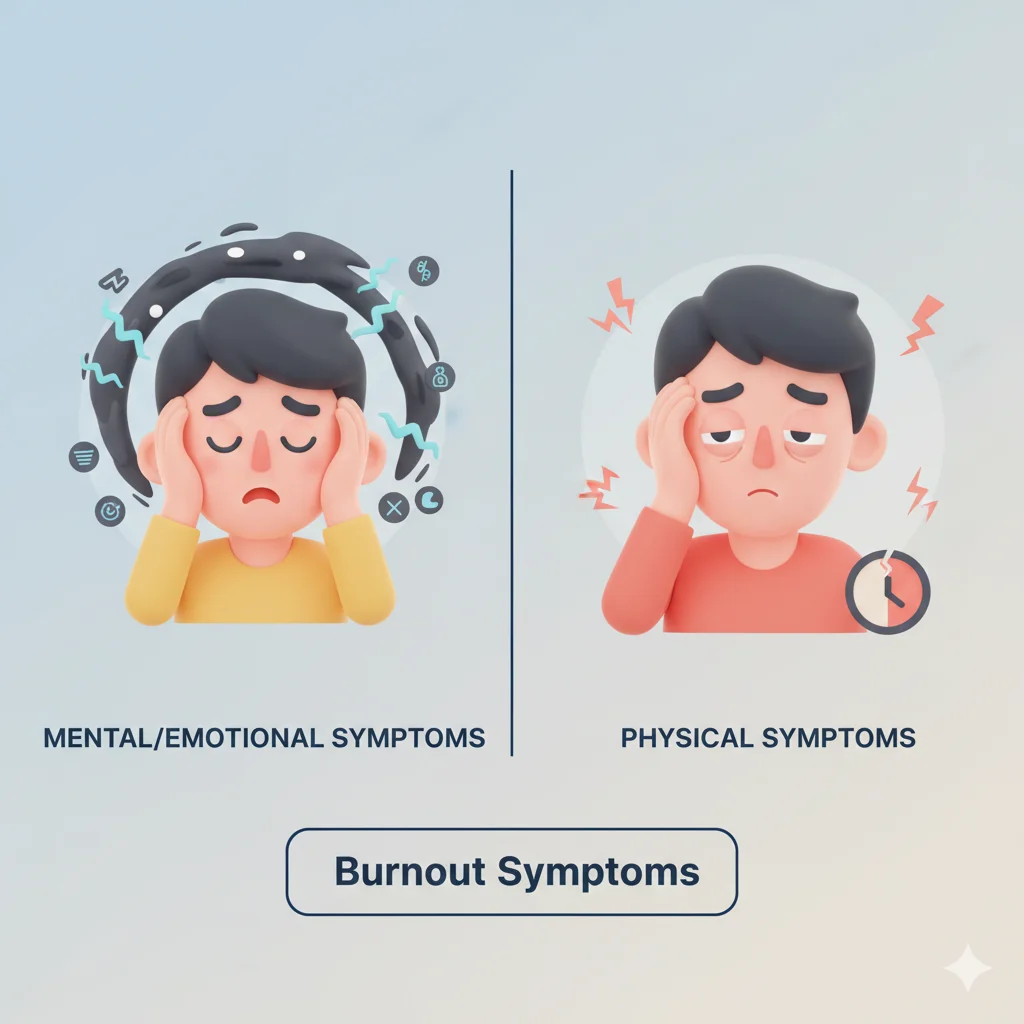
When you are overstimulated, your body and mind send clear signals that something is too much. These signs can show up in different ways depending on the person and the situation. Some symptoms appear quickly, while others build up over time.
Mental symptoms often include racing thoughts, trouble concentrating, confusion, or feeling mentally “foggy.” You may find it hard to make decisions or feel like your brain will not slow down. Emotional symptoms can include irritability, frustration, anxiety, or feeling easily upset by small things. You might feel like you need to escape or be alone.
There are also physical symptoms of overstimulation. These can include headaches, muscle tension, fatigue, restlessness, rapid heartbeat, or feeling unusually tired but unable to relax. Some people may feel sensitive to light, sound, or touch during these moments.
Behavior changes are common too. You might snap at others, withdraw from conversations, avoid social situations, or feel the urge to shut down completely. Everyone experiences these symptoms differently, and not all signs appear at once.
Recognizing these signs early is important. When you notice them, it is a signal from your body to pause, reduce stimulation, and give your nervous system time to recover.
What Causes Overstimulation?
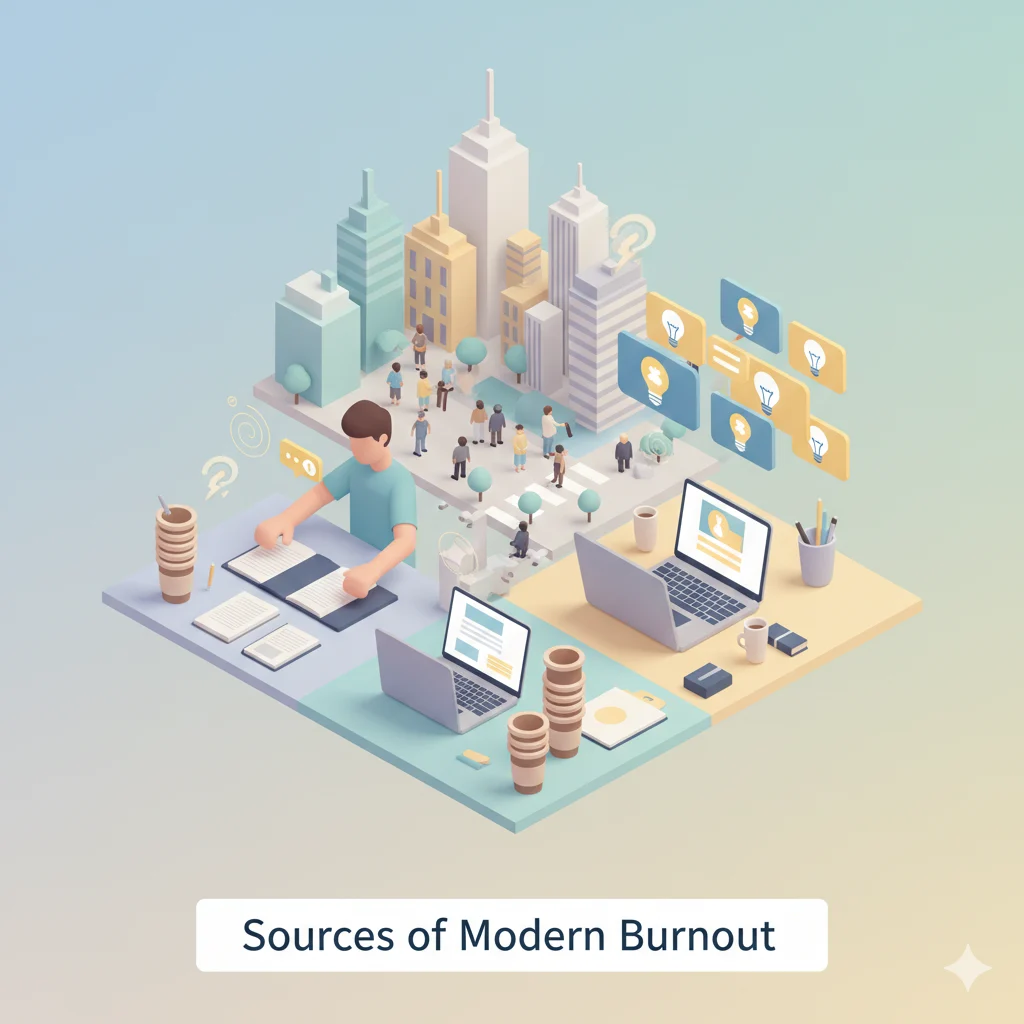
Overstimulation happens when your brain is exposed to too much input without enough time to rest or recover. Many everyday situations can trigger this state, especially in fast-paced or high-pressure environments.
One common cause is sensory overload. Loud noises, bright lights, crowded spaces, strong smells, or constant movement can overwhelm the senses. Another major cause is digital overload. Spending long hours on phones, computers, and social media forces the brain to process endless information, notifications, and visuals without breaks.
Mental overload also plays a big role. Multitasking, making too many decisions, or trying to focus on several things at once can exhaust the brain. Emotional stress, such as work pressure, relationship issues, or social expectations, adds another layer of stimulation that can push the nervous system past its limit.
Lack of sleep and rest makes overstimulation more likely. When your body is tired, it becomes harder to handle normal levels of input. Even positive experiences, like exciting events or busy social gatherings, can cause overstimulation if they last too long.
Understanding what causes overstimulation helps you identify your personal triggers. Once you know what overwhelms you most, it becomes easier to set boundaries and protect your mental well-being.
Sensory Overstimulation Explained
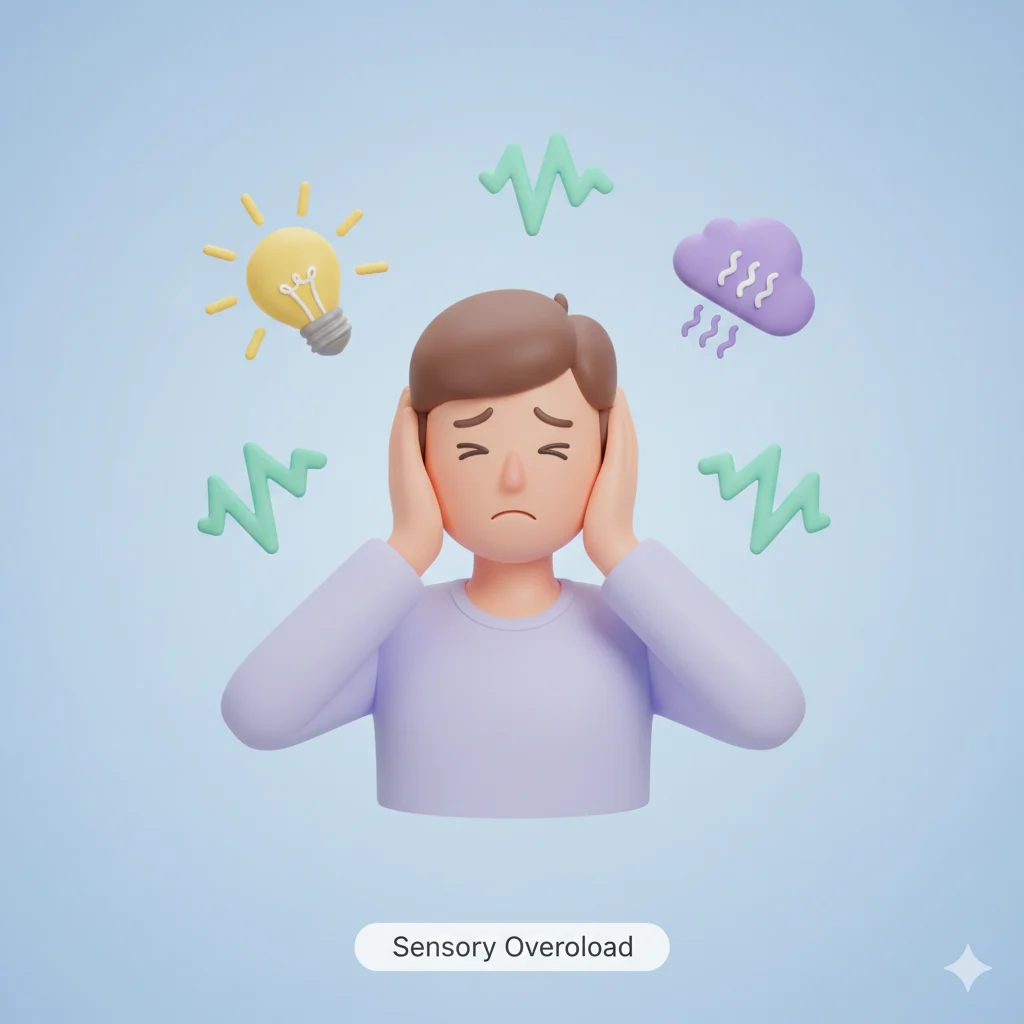
Sensory overstimulation happens when one or more of your senses receive more input than your brain can comfortably process. The human brain is constantly filtering sights, sounds, smells, tastes, and touch, but when these signals become too intense or happen all at once, the system becomes overloaded.
Common examples include loud music, bright or flashing lights, crowded places, strong smells, or uncomfortable textures. Even environments that seem normal to others—such as busy shopping malls or noisy offices—can feel overwhelming to someone experiencing sensory overstimulation. When this happens, the brain struggles to focus, and stress levels rise quickly.
People experiencing sensory overstimulation may feel irritated, anxious, dizzy, or physically uncomfortable. Some may want to cover their ears, close their eyes, or leave the situation immediately. Headaches, nausea, and fatigue are also common reactions.
Sensory overstimulation affects everyone differently. Some people are naturally more sensitive to sensory input, while others become more sensitive when they are tired, stressed, or already overwhelmed. Children and individuals with conditions like ADHD or autism may experience sensory overload more intensely.
Understanding sensory overstimulation makes it easier to recognize your limits and create calmer environments that help your nervous system relax and recover.
Overstimulated Meaning in Mental Health
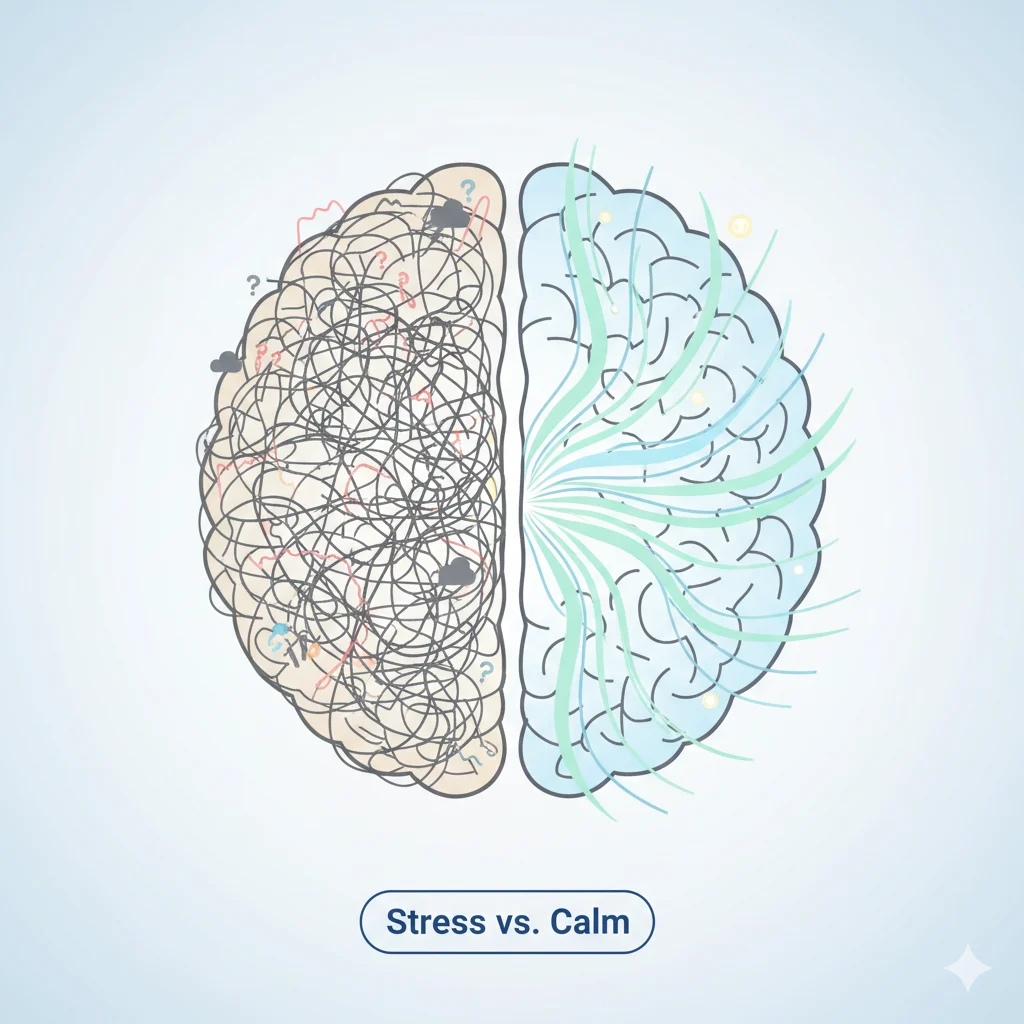
In mental health, the term overstimulated is used to describe a state where the brain and nervous system are overwhelmed by too much mental, emotional, or sensory input. It is important to understand that overstimulation is not a mental illness or diagnosis. Instead, it is a temporary condition that can affect anyone, especially during periods of stress or emotional overload.
Mental overstimulation often happens when the mind is constantly active without rest. This can include overthinking, worrying, multitasking, or being exposed to continuous information, such as news updates and social media. When the brain does not get enough downtime, it struggles to regulate emotions and focus, leading to feelings of anxiety, irritability, or exhaustion.
Overstimulation is commonly linked to mental health challenges like anxiety, burnout, and chronic stress. While it does not cause these conditions on its own, it can intensify symptoms and make coping more difficult. People may feel emotionally drained, easily overwhelmed, or mentally “checked out.”
Recognizing overstimulation in a mental health context is helpful because it encourages self-care rather than self-judgment. Taking breaks, reducing mental input, and creating calming routines can support emotional balance and help the brain reset naturally.
What Does Overstimulated Mean for Kids?
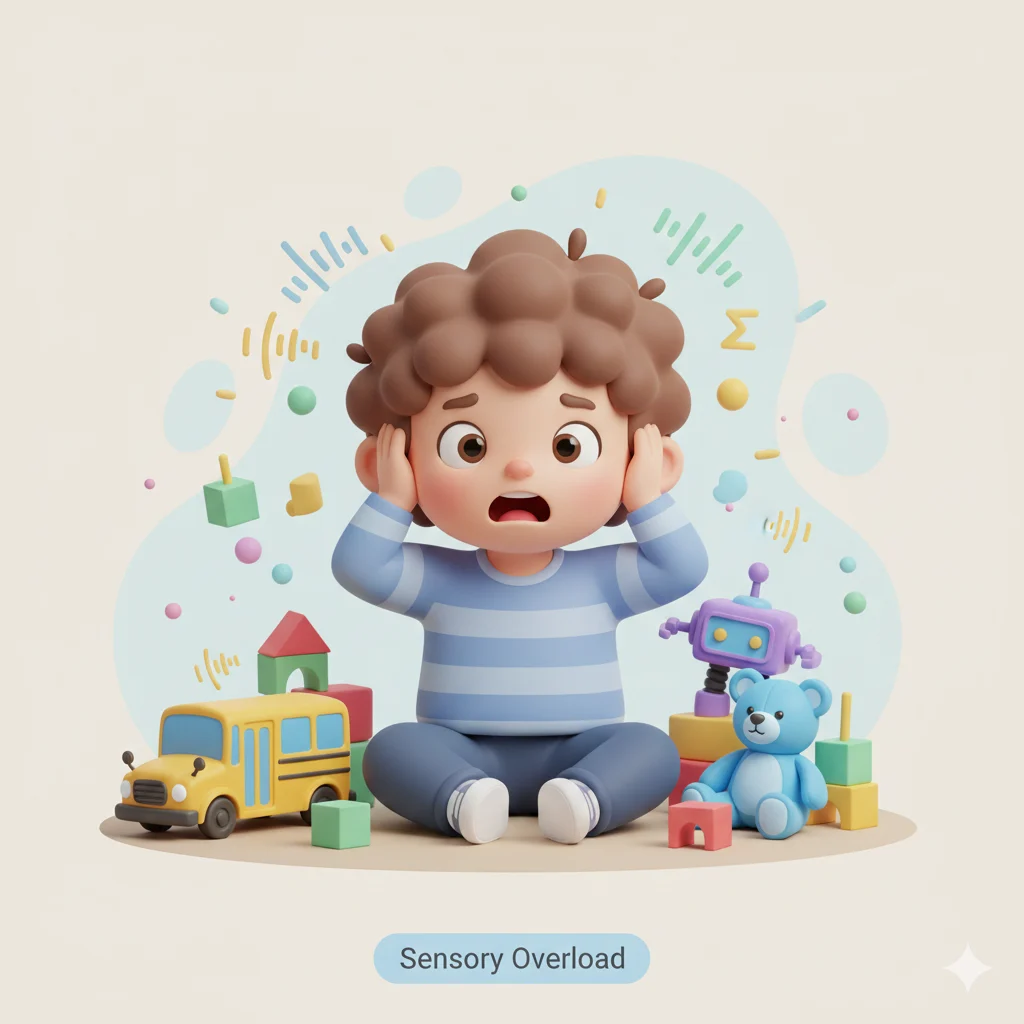
Children are especially prone to overstimulation because their brains and nervous systems are still developing. When kids experience too much input—whether from school, play, screens, or social activities—they may quickly become overwhelmed. Understanding what overstimulated means for kids helps parents and caregivers respond effectively.
Signs of overstimulation in children can include irritability, restlessness, crying, difficulty focusing, or sudden emotional outbursts. Some children may cover their ears, avoid eye contact, or try to escape the environment. Even positive experiences, like birthday parties or crowded playgrounds, can become overwhelming if the stimulation lasts too long.
Common causes of overstimulation in kids include loud environments, bright lights, too many toys or activities at once, screen time, and social interactions with many peers. Children with conditions such as ADHD, autism, or sensory processing disorders may be more sensitive and react more intensely.
Parents and caregivers can help children manage overstimulation by creating quiet spaces, offering short breaks, and teaching simple calming strategies like deep breathing or stretching. Limiting screen time and gradually introducing new experiences can also reduce overload. Recognizing when a child is overstimulated allows adults to provide support and prevent long-term stress, helping children feel safe and understood.
What Does Overstimulated Mean for Adults?
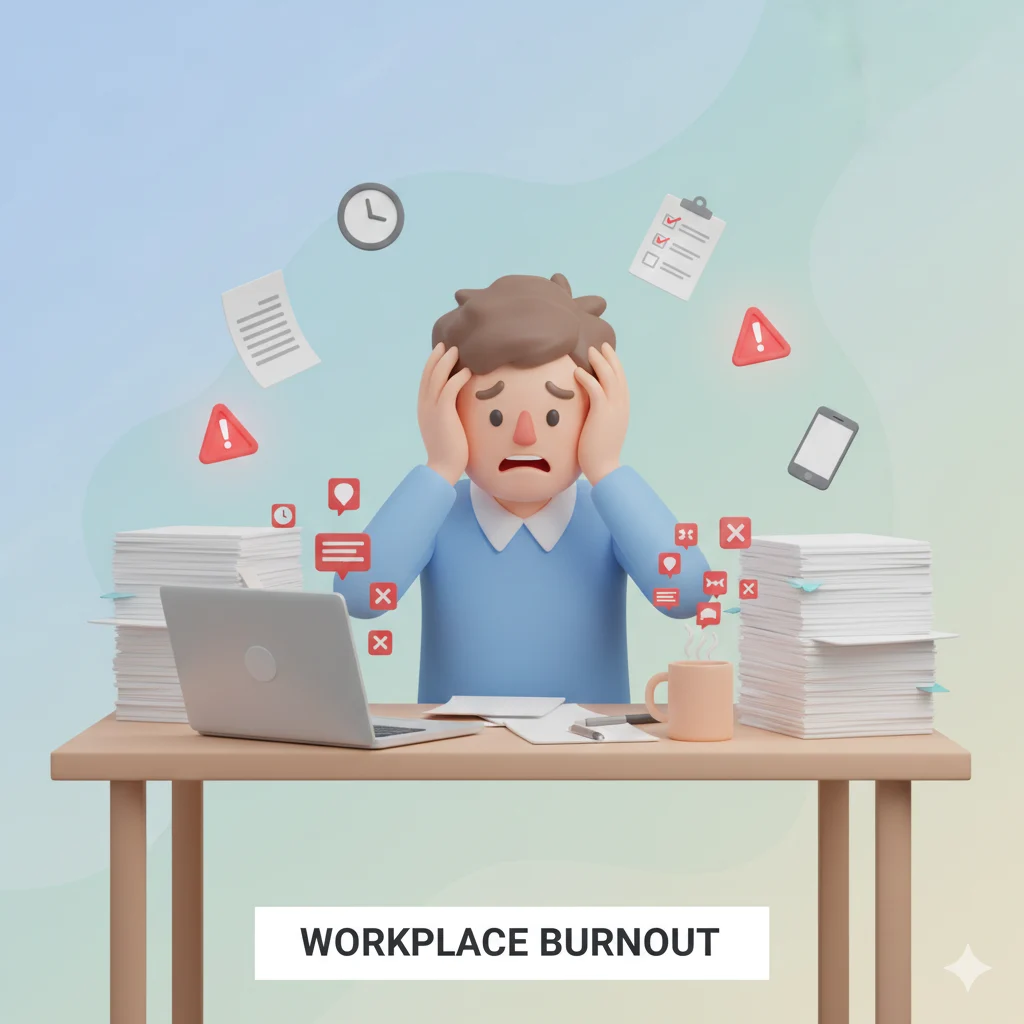
Adults can also experience overstimulation, especially in today’s fast-paced, constantly connected world. For adults, being overstimulated means that the brain and body are receiving more input than they can handle, leading to mental, emotional, and sometimes physical strain. Unlike children, adults often face multiple responsibilities—work, family, social obligations—which can increase the risk of overload.
Common signs of overstimulation in adults include irritability, difficulty concentrating, mental fatigue, anxiety, restlessness, and trouble sleeping. Some may feel a constant need to escape from their environment or withdraw from social interactions. Physical symptoms like headaches, muscle tension, or an accelerated heartbeat can also appear.
Causes of overstimulation in adults often involve digital overload, such as endless notifications, emails, and social media. Busy work environments, loud or crowded spaces, multitasking, and managing family responsibilities can further contribute. Even enjoyable events, like parties or travel, can become overwhelming if there’s too much happening at once.
Adults can manage overstimulation by setting boundaries, taking breaks from technology, practicing mindfulness or relaxation techniques, and creating calm, structured environments. Understanding what overstimulation means for adults helps recognize limits, prioritize self-care, and reduce stress before it escalates into burnout.
Everyday Examples of Overstimulation
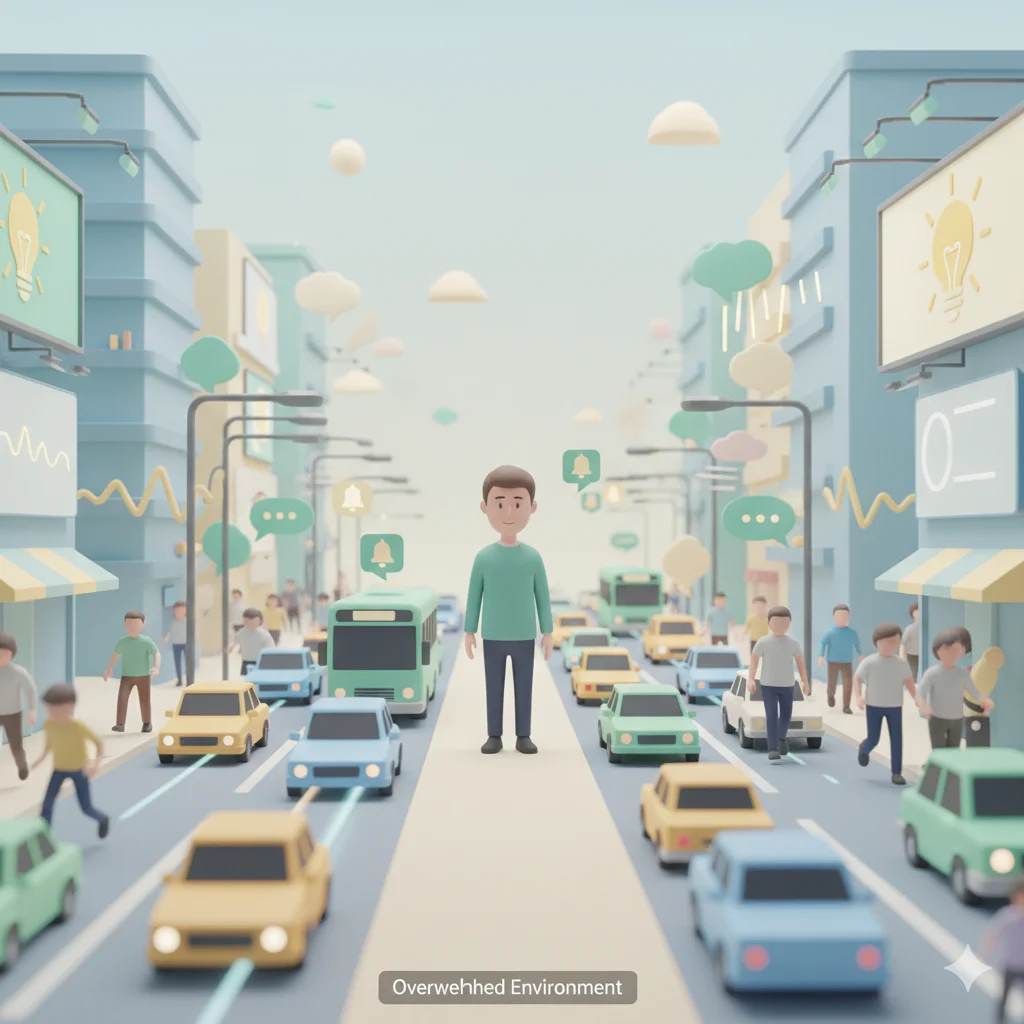
Overstimulation can happen to anyone, and often it occurs in everyday situations we might not even notice at first. Recognizing these examples makes it easier to identify when your brain and body need a break.
One common example is digital overload. Constant notifications from phones, emails, or social media can keep your brain in a state of high alert, making it difficult to focus or relax. Spending long periods online or multitasking with multiple apps increases mental input and can lead to overstimulation.
Crowded or noisy environments are another frequent cause. Busy streets, loud offices, or crowded stores flood your senses with sights, sounds, and movement, which can feel overwhelming. Similarly, bright lights, flashing screens, or strong smells can trigger sensory overload.
Overstimulation can also occur during social events or gatherings. Even enjoyable parties can become too much when there is constant talking, music, and activity. For children, overstimulation can happen during playdates, school events, or overstimulating toys.
Even simple daily tasks can contribute. For example, juggling multiple responsibilities at home or work without a break increases mental and emotional input.
Recognizing these everyday examples helps you take proactive steps, like taking breaks, reducing input, or creating quiet spaces to prevent feeling overwhelmed.
How to Calm Down When You Feel Overstimulated
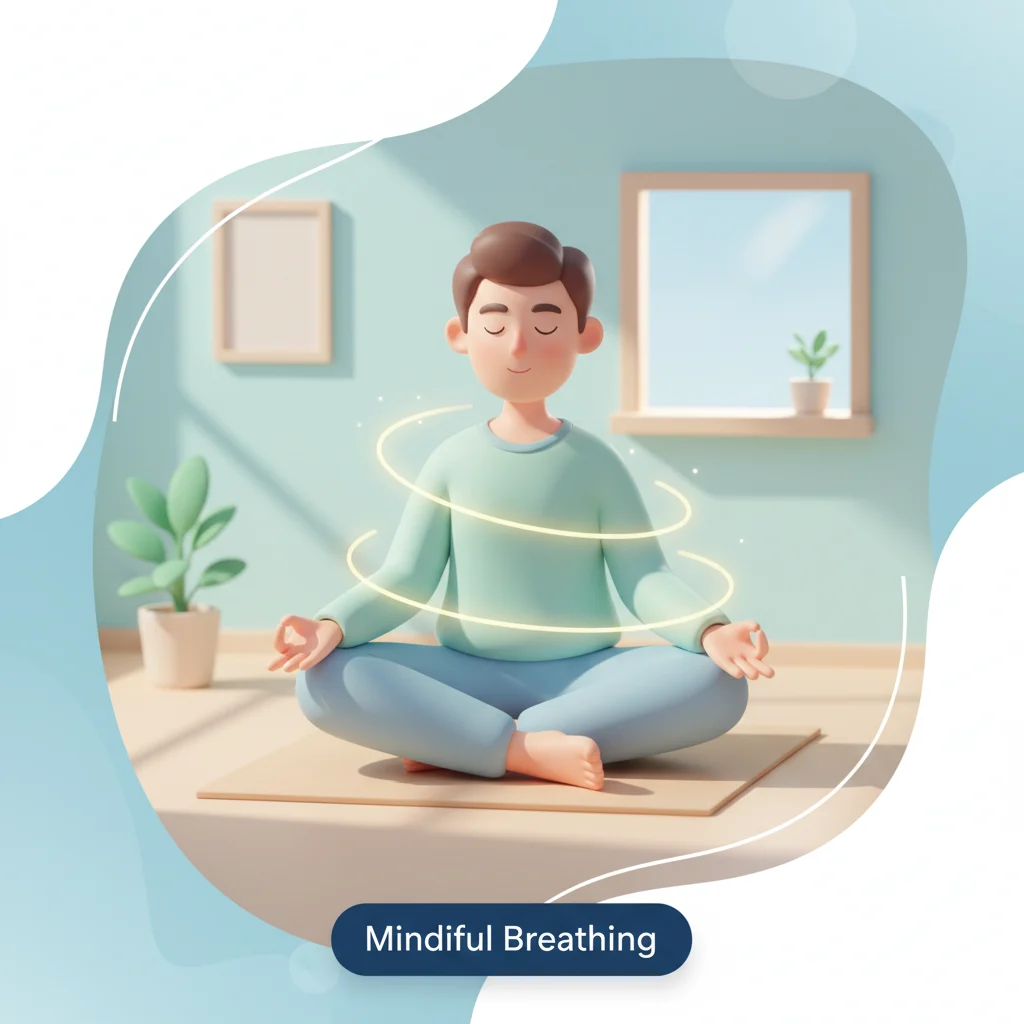
Feeling overstimulated can be uncomfortable, but there are effective ways to calm your mind and body. The first step is acknowledging the feeling. Recognizing that you are overstimulated helps you respond instead of ignoring the signals, which can make stress worse.
One simple method is to reduce sensory input. Move to a quieter or dimly lit environment, turn off notifications, or step away from screens. For children, providing a calm space with fewer toys and less noise can help them reset. Adults can benefit from similar quiet breaks, even if it’s just a few minutes in a calm room.
Breathing exercises and mindfulness are also effective. Slow, deep breaths can lower heart rate and reduce tension, while mindful observation—focusing on one sense at a time—helps your brain process input gradually. Stretching or light movement can release built-up physical tension.
Another helpful approach is grounding techniques. Focusing on what you can touch, see, hear, or feel in the moment brings your attention back to the present and away from overwhelming thoughts.
Lastly, pacing yourself and taking short breaks throughout the day prevents overstimulation from building. By responding proactively, you can restore calm, improve focus, and protect your mental well-being before stress becomes unmanageable.
How to Prevent Feeling Overstimulated
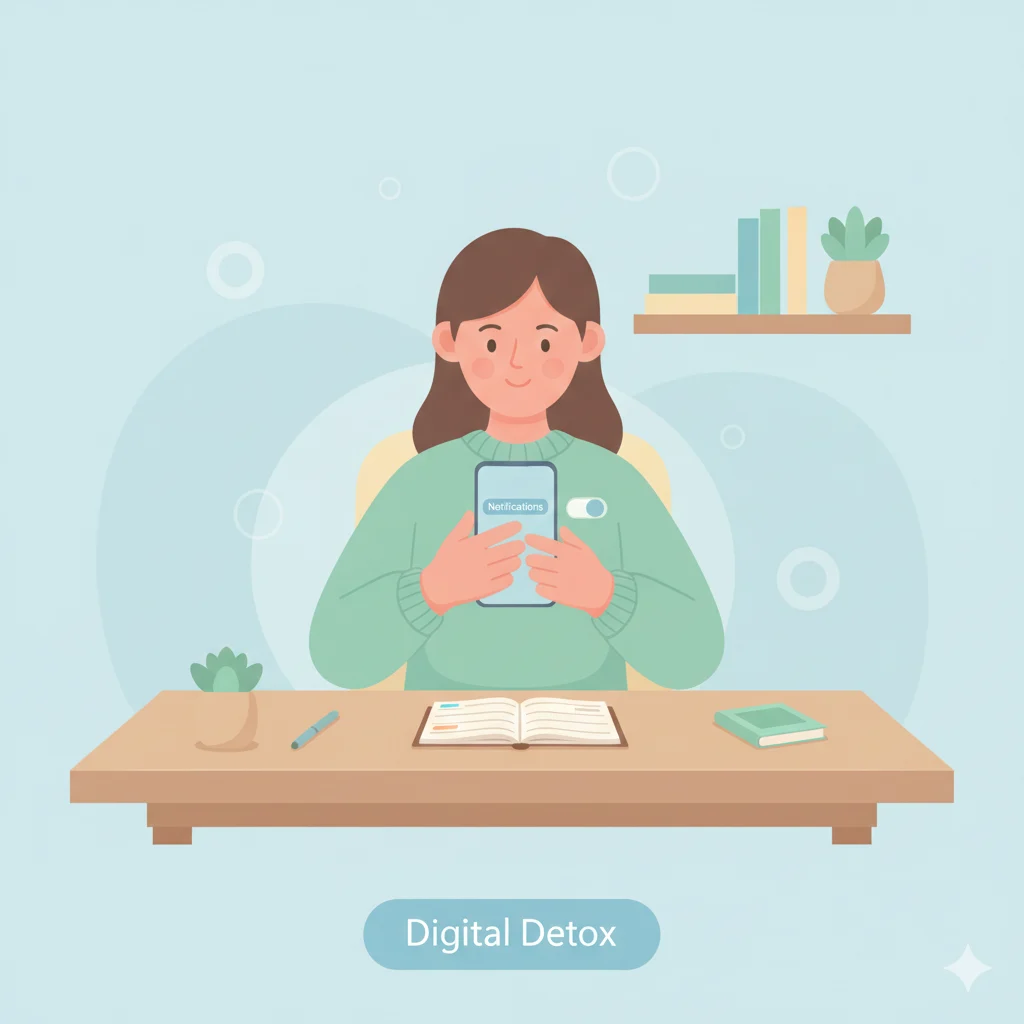
Preventing overstimulation is easier than you might think when you make small, consistent changes to your daily routine. The key is to manage the amount of sensory, mental, and emotional input your brain receives.
One effective strategy is setting boundaries with technology. Limiting screen time, turning off unnecessary notifications, and scheduling breaks from social media can reduce digital overload. Creating “quiet hours” at home or work gives your mind time to rest and recharge.
Another important method is planning your environment. Reducing noise, clutter, and bright lights can prevent sensory overload, especially in busy offices or households. For children, having calm spaces with fewer toys or distractions helps them manage stimulation throughout the day.
Time management and pacing are also crucial. Avoid overloading your schedule with too many tasks or commitments at once. Breaking large tasks into smaller, manageable steps helps the brain process information without feeling overwhelmed.
In addition, self-care routines like regular exercise, sufficient sleep, mindfulness, and relaxation practices strengthen your nervous system and increase resilience to stimulation.
By proactively reducing input, organizing your environment, and prioritizing rest, you can prevent overstimulation before it starts. These small habits create balance, helping both adults and children feel calmer, more focused, and in control of their day-to-day life.
Is Being Overstimulated Normal?
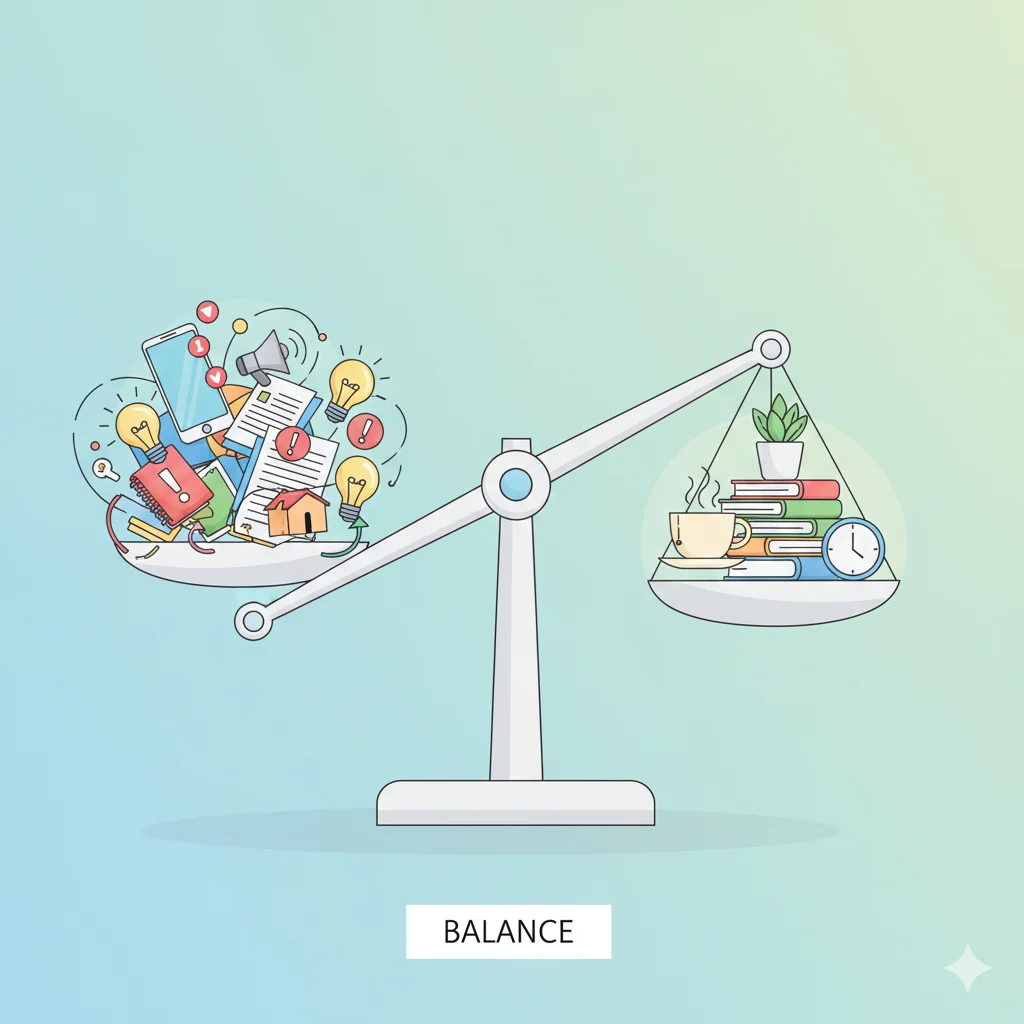
Yes, being overstimulated is a normal response to having too much input at once. In today’s fast-paced world, it is very common to feel overwhelmed by noise, screens, social interactions, or mental demands. Everyone experiences overstimulation at some point, whether it’s after a busy day at work, a crowded event, or too much time on digital devices.
Experiencing overstimulation occasionally is not harmful. It is your body and brain’s way of signaling that they need a break or rest. Just like feeling hungry or tired, overstimulation is a natural cue to slow down, reduce input, and take care of yourself.
However, frequent or intense overstimulation can become a problem if it is ignored. Constant exposure to too much sensory, emotional, or mental input without rest may lead to stress, fatigue, or burnout. This is why recognizing normal overstimulation versus excessive or chronic overstimulation is important.
Normal overstimulation can be managed with simple strategies like taking quiet breaks, practicing deep breathing, limiting screen time, or organizing your environment. By understanding that feeling overstimulated is normal, you can respond with self-care rather than frustration, helping your brain and body recover more quickly and maintain balance in daily life.
When Should You Seek Help for Overstimulation?

Most of the time, overstimulation is temporary and can be managed with simple strategies like quiet breaks, deep breathing, or reducing sensory input. However, there are situations where it may be a sign that professional support is needed. Recognizing when to seek help ensures that overstimulation does not interfere with your daily life or mental health.
You should consider seeking help if overstimulation is frequent, intense, or long-lasting. For example, if you or your child feel constantly overwhelmed by everyday tasks, experience extreme irritability, anxiety, or fatigue, or find it hard to function at work, school, or home, it may be time to consult a mental health professional.
Another indicator is if overstimulation triggers panic attacks, severe anxiety, or physical symptoms like chest pain, dizziness, or constant headaches. These experiences suggest that the nervous system is under significant stress and could benefit from guidance from a counselor, therapist, or doctor.
Seeking help does not mean something is “wrong.” It simply provides strategies and support to manage overstimulation effectively. Professionals can teach coping techniques, recommend lifestyle adjustments, and help address underlying stressors, allowing you to restore balance, prevent burnout, and maintain emotional and mental well-being.
Overstimulated vs Overwhelmed – What’s the Difference?
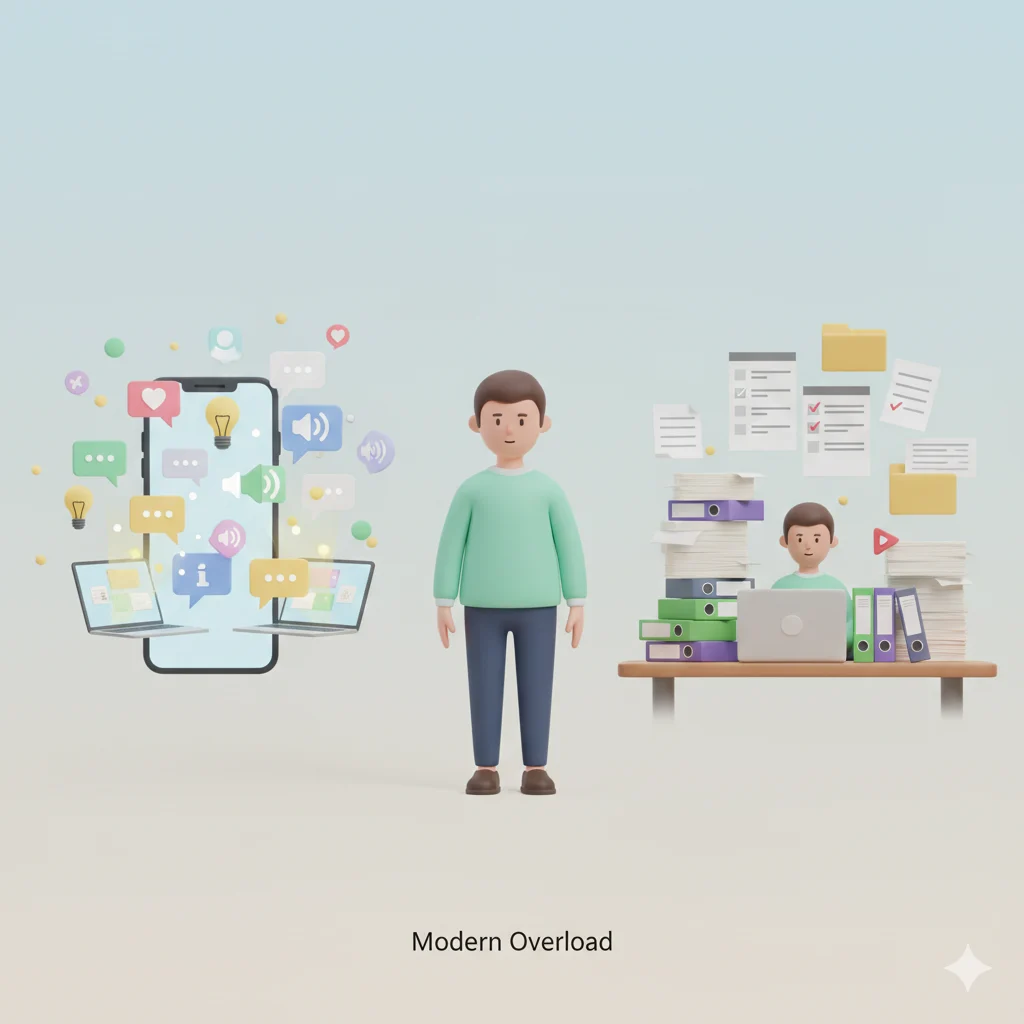
Many people confuse being overstimulated with being overwhelmed, but the two are slightly different. Understanding the distinction can help you respond more effectively to your feelings and take appropriate action.
Overstimulation happens when your brain and nervous system are receiving too much input at once. This input can be sensory, mental, or emotional, like loud noises, bright lights, constant notifications, or too many tasks. It often leads to physical and emotional reactions such as irritability, restlessness, headaches, or difficulty focusing. Overstimulation is usually temporary and can be relieved by reducing input and giving your nervous system a break.
Feeling overwhelmed, on the other hand, is more related to mental or emotional load rather than sensory input. You might feel overwhelmed when responsibilities, deadlines, or emotions pile up, making it hard to think clearly or make decisions. While overstimulation can trigger overwhelm, being overwhelmed can occur even without strong sensory input—like when you have too many tasks to manage at once.
In short, overstimulation is about too much sensory or mental input at a time, whereas being overwhelmed is about too much responsibility or emotional pressure. Recognizing the difference helps you choose the right strategy—reducing input for overstimulation or organizing tasks and emotions for overwhelm.
Frequently Asked Questions About Overstimulation
Many people wonder about overstimulation and how it affects daily life. Here are some of the most common questions and answers to help you understand it better.
1. Is overstimulation the same as anxiety?
Not exactly. While overstimulation can cause feelings similar to anxiety—such as restlessness, irritability, or racing thoughts—anxiety is a broader mental health condition. Overstimulation is usually temporary and linked to too much input at once.
2. Can phones cause overstimulation?
Yes. Constant notifications, scrolling through social media, and multitasking on devices can overwhelm your brain, making it hard to focus or relax. Limiting screen time and taking regular breaks can help.
3. How long does overstimulation last?
The duration varies. Some people feel better after a few minutes of rest or a quiet break, while others may need hours to recover, depending on the intensity and type of stimulation.
4. What helps overstimulation quickly?
Simple strategies include moving to a calm space, deep breathing, mindfulness exercises, reducing sensory input, or stretching. These techniques give your nervous system a chance to reset.
5. Can children experience overstimulation?
Absolutely. Children are often more sensitive to sensory input and social situations. Signs include irritability, crying, or withdrawing from activities.
Understanding these FAQs helps you recognize overstimulation early and respond effectively, preventing stress and maintaining balance.
Conclusion:
Overstimulation is a common experience in today’s fast-paced and constantly connected world. Whether it comes from sensory input, mental tasks, or emotional pressure, it signals that your brain and body need a break. Recognizing the signs—like irritability, restlessness, difficulty focusing, or physical discomfort—helps you take action before stress escalates.
For children, overstimulation may appear as tantrums, withdrawal, or difficulty concentrating, while adults may feel mentally exhausted, anxious, or physically tense. Understanding what overstimulation means for both adults and kids allows you to respond with effective strategies rather than frustration.
Managing overstimulation involves reducing input, creating calm environments, practicing mindfulness, taking breaks, and establishing healthy routines. Preventive measures, like limiting screen time, setting boundaries, organizing tasks, and getting enough sleep, strengthen the nervous system and make you less vulnerable to overload.
It’s also important to know that occasional overstimulation is normal and a natural response to too much input. However, if it happens frequently or intensely, seeking professional support can provide additional coping tools.
By learning to recognize, manage, and prevent overstimulation, you can maintain emotional balance, improve focus, and enjoy daily life without feeling constantly overwhelmed. Taking these small but consistent steps makes a big difference in mental and physical well-being.