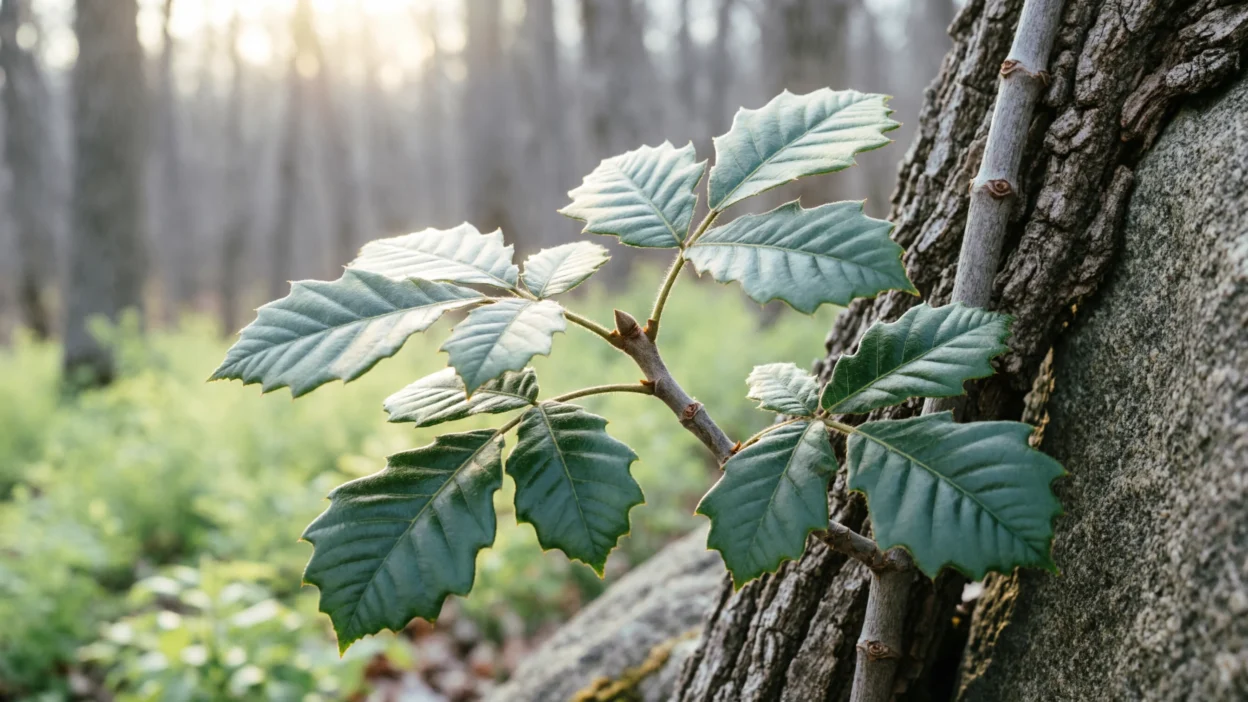
Definition::Poison oak is a toxic plant that can cause itchy rashes on human skin. It typically grows as a shrub or vine and is identified by clusters of three oak-shaped leaves. Learning to identify poison oak helps prevent accidental contact and skin irritation.
Poison oak is a common plant in North America that poses a risk to anyone spending time outdoors. Its leaves contain urushiol, a chemical that causes allergic reactions and the notorious poison oak rash.
Understanding what poison oak looks like is essential for hikers, gardeners, pet owners, and anyone who enjoys outdoor activities. Mistaking it for harmless shrubs or vines can lead to poison oak on skin, including sensitive areas, resulting in redness, blisters, and severe itching.
This guide covers poison oak leaves, growth forms, vines, flowers, and berries, along with clear comparisons to poison ivy vs poison oak, rash stages, and treatment options.
We will also address common questions, such as what is poison oak in females, how humans get poison oak, and even cultural references like how Addison got poison oak in Grey’s Anatomy.
By the end, you’ll confidently recognize poison oak and know how to safely avoid and treat exposure.
What Is Poison Oak? (Quick Overview)
Poison oak is part of the Toxicodendron genus, including Toxicodendron diversilobum in the west and Toxicodendron pubescens in the east. Despite its seemingly harmless appearance, it contains urushiol oil, which causes allergic reactions in humans. Poison oak can grow as a shrub, vine, or sprawling ground cover, depending on location. Its leaves usually appear in clusters of three, a key feature for identification. Learning about poison oak is crucial for avoiding poison oak rash, which can appear on any part of the body, including private areas if contact occurs.
Key Visual Characteristics of Poison Oak
Poison oak is best identified by its distinct leaves and growth patterns.
- Leaves of Three: Each cluster has three leaflets; the middle one is slightly larger.
- Oak-Like Lobes: The leaves resemble oak leaves, with rounded or slightly toothed edges.
- Color Variations: Bright green in spring, dark green in summer, and red, orange, or yellow in fall.
- Texture: Glossy on top, slightly hairy on the underside.
- Growth Form: Can appear as a low shrub, climbing poison oak vine, or ground cover.
Recognizing these features helps prevent accidental poison oak on skin.
What Do Poison Oak Leaves Look Like?
- Leaf Arrangement: Always in clusters of three (“leaves of three” rule).
- Shape & Lobes: Rounded or pointed lobes; edges may vary.
- Size: 1–5 inches long; central leaflet is largest.
- Texture: Glossy top, slightly hairy underside.
- Color: Bright green in spring, deep green in summer, and vibrant red/orange/yellow in fall.
Close attention to these details is the safest way to identify poison oak.
Poison Oak Appearance by Season
Spring: Tender, bright green leaves; clusters of three visible.
Summer: Deep green, dense foliage; may appear as vine or shrub.
Fall: Leaves turn red, orange, or yellow; watch for poison oak rash risk.
Winter: Leaves drop; identification relies on woody stems and vine patterns.
Poison Oak Growth Forms (How It Grows)
- Shrub Form: Low, bushy, 3–6 feet tall; common along trails.
- Vine Form: Can climb trees/fences; may reach 30+ feet.
- Ground Cover: Spreads horizontally; leaves intertwine with other plants.
The three-leaf clusters remain the main identification method regardless of growth form.
Where Does Poison Oak Grow? (Habitat & Regions)
- Western U.S.: California, Oregon, Washington; coastal forests, hillsides.
- Eastern/Southeast U.S.: Texas, Florida; forests, sandhills, shrublands.
- Common Habitats: Forest edges, trails, riversides, disturbed land.
- Special Note: Poison oak is present in humans’ frequented outdoor spaces, including areas near homes and gardens.
Poison Oak Flowers and Berries
- Flowers: Small, white to greenish, appear spring–early summer.
- Berries: Yellowish or green, late summer–fall; contain urushiol and can trigger poison oak rash if touched.
- Tip: Leaves are the most reliable identification feature.
Poison Oak Rash — What It Looks Like on Skin
- Early Symptoms: Redness, itching, slight swelling.
- Blisters: Fluid-filled, often in streaks or clusters.
- Severe Reactions: Intense itching, large blisters, possible infection.
- Timeline: 12–48 hours after contact; lasts 1–3 weeks depending on severity.
- FAQ: “What does poison oak rash look like?” → Red streaks, grouped blisters, itching patches.
Why Poison Oak Causes Rash (Urushiol Oil Explained)
- Urushiol: Sticky oil in leaves, stems, berries.
- Transmission: Direct contact, contaminated clothing, pets, tools; smoke from burning plants is dangerous.
- Reaction Variability: Some highly sensitive; repeated exposure can worsen reactions.
- Tip: Wash skin and clothing immediately to reduce rash severity.
Poison Oak vs Poison Ivy — Key Visual Differences
- Leaf Shape: Poison oak has rounded lobes; poison ivy is smoother and pointed.
- Leaf Clusters: Both have three leaves; poison oak’s middle leaflet is larger.
- Growth Form: Poison oak is shrub/vine/ground cover; poison ivy often climbs.
- Seasonal Colors: Poison oak turns red/orange/yellow; poison ivy turns red or yellow-green.
- Tip: Always observe from a safe distance to avoid poison oak rash.
Poison Oak vs Poison Sumac
- Leaf Structure: Poison sumac has 7–13 leaflets; poison oak has 3.
- Growth Form: Sumac grows as a tree; poison oak as shrub or vine.
- Habitat: Sumac prefers wet areas; oak prefers dry, sunny edges.
Common Plants Mistaken for Poison Oak
- Blackberry vines
- Virginia creeper
- Young oak saplings
- Fragrant sumac
Tip: Always use the leaves of three rule before contact.
How to Identify Poison Oak Safely
- Never touch the plant directly.
- Observe leaves, stems, and growth pattern from a distance.
- Wear protective clothing if you are in a high-risk area.
How to Avoid Poison Oak Outdoors
- Stick to marked trails.
- Learn the “leaves of three” rule.
- Wash skin/clothing promptly after exposure.
- Keep pets away from poison oak areas.
What To Do If You Touch Poison Oak
- Wash exposed skin with soap and water immediately.
- Apply over-the-counter anti-itch creams or calamine lotion.
- Cool compresses can reduce swelling.
- See a doctor if rash spreads to eyes, mouth, or severe areas.
Visual Identification Checklist (Quick Summary)
- Leaves of three, oak-like lobes
- Shrub, vine, or ground cover growth
- Seasonal color changes
- Flowers: small white/greenish; Berries: yellow/green
- Key risk areas: trails, forest edges, coastal scrub
Frequently Asked Questions (SEO-Boost)
- What is poison oak in females? → Same plant; rashes can occur on sensitive areas.
- What does “poison oak” mean? → A plant that causes allergic skin reactions.
- How did Addison get poison oak in Grey’s Anatomy? → Fictional exposure in a storyline.
- How do humans get poison oak? → Direct contact, contaminated objects, or smoke.
- Poison oak rash vs poison ivy: Poison oak often has redder, lobed leaves pattern; ivy may appear smoother.
- Beginning poison oak rash / poison oak rash stages: Starts with redness → bumps → blisters.
- How long does poison oak last? → 1–3 weeks depending on severity.
- Poison oak on private parts: Same exposure rules; treat rash gently to avoid infection.
Conclusion
Poison oak is a common but easily identifiable plant that can cause painful skin reactions if touched. By learning what poison oak looks like, recognizing its leaves, growth forms, and seasonal variations, and following safety precautions, you can enjoy the outdoors while minimizing risk.
Remember the “leaves of three” rule, observe from a distance, and act quickly if contact occurs to reduce poison oak rash severity.
Understanding the differences between poison oak vs poison ivy and other similar plants further ensures safety and confidence in nature.