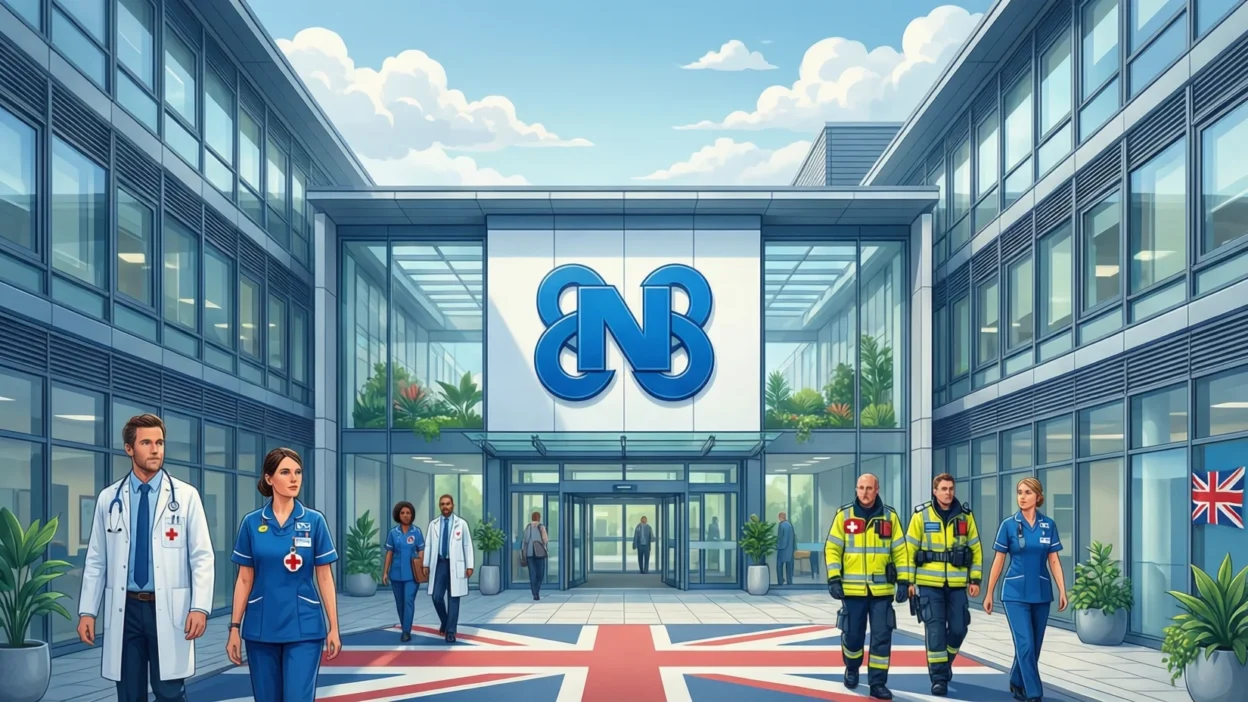
Definition: The NHS (National Health Service) is the UK’s publicly funded healthcare system, providing free or low-cost care to residents. It covers GP visits, hospital treatments, emergency care, and preventive services across the UK.
The National Health Service (NHS) is one of the most important institutions in the United Kingdom, providing essential healthcare services to millions of residents.
Founded in 1948 by Aneurin Bevan, the NHS was built on the principle that medical care should be available to everyone, free at the point of use.
Over the decades, it has grown into a vast system encompassing hospitals, general practitioners, mental health services, emergency care, and digital health initiatives.
Its funding comes primarily from public taxation, ensuring equitable access for all citizens. Today, the NHS also offers opportunities like the NHS scholarship for students and careers through NHS jobs.
Understanding how the NHS works, its services, and its societal impact is crucial for anyone living in or visiting the UK.
This article provides a comprehensive guide to the NHS, including its history, structure, services, benefits, challenges, and more.
History of the NHS
The National Health Service (NHS) was founded in 1948 by Aneurin Bevan, the Minister of Health, with the revolutionary goal of providing healthcare free at the point of use. Before its establishment, healthcare in the UK was largely private, leaving many unable to afford treatment. The creation of the NHS marked a major milestone in social reform, aiming to ensure equal access to medical care for everyone, regardless of income.
Over the decades, the NHS has evolved significantly. Hospitals, general practitioners, and specialized services expanded to meet growing healthcare demands. Milestones include the introduction of specialist treatments, advancements in medical technology, and the adoption of digital services like NHS login and online appointment booking. Today, the NHS remains a cornerstone of the UK’s healthcare system, serving millions annually and symbolizing the nation’s commitment to public health and social welfare.
Structure of the NHS
The NHS is a complex healthcare system, organized differently across the four nations of the United Kingdom: England, Scotland, Wales, and Northern Ireland. Each country has its own administration, policies, and funding arrangements, but all share the principle of providing free healthcare to residents.
NHS in England, Scotland, Wales, and Northern Ireland
- NHS England: Oversees hospitals, GP practices, and specialist services.
- NHS Scotland: Offers integrated healthcare, including community services and hospitals.
- NHS Wales: Focuses on local health boards and community care.
- Health and Social Care (HSC) Northern Ireland: Combines healthcare and social services under one system.
Types of Care
- Primary care: GPs, clinics, and routine checkups.
- Secondary care: Hospitals, specialists, and elective procedures.
- Supporting organizations: Public health agencies, NHS trusts, and regulatory bodies ensure safety and quality.
The structure ensures that every resident has access to comprehensive healthcare services, no matter where they live in the UK.
Services Offered by the NHS
The NHS provides a wide range of healthcare services to meet the diverse needs of the UK population. These services are designed to be accessible, comprehensive, and free at the point of use.
General Healthcare
GPs and clinics handle routine checkups, minor illnesses, and chronic condition management. Outpatient services and hospital visits are available for more advanced treatments.
Emergency and Urgent Care
The NHS offers 24/7 emergency services, including A&E departments and ambulance services, ensuring immediate attention for serious conditions.
Specialized Treatments
Specialized services cover cancer care, mental health support, maternity services, and surgical procedures. Patients receive expert care tailored to specific medical needs.
Preventive Care
The NHS emphasizes preventive healthcare, offering vaccinations, screenings, wellness programs, and health education to reduce disease risks and promote long-term well-being. For example, resources like skin cancer images NHS or pictures of skin rashes NHS are available to educate patients about early signs of health issues.
These services collectively make the NHS a comprehensive and reliable healthcare system for millions across the UK.
How the NHS is Funded
The NHS is primarily funded through taxation, allowing most medical services to remain free at the point of use. Funding is allocated differently across the UK: NHS England, NHS Scotland, NHS Wales, and Health and Social Care Northern Ireland receive budgets to manage hospitals, staff salaries, and community health programs.
While most services are free, some areas, such as prescriptions, dental care, and optical services, may involve small charges. This funding model supports equitable healthcare access and sustains ongoing improvements in technology, staffing, and digital health services.
Benefits of the NHS
The NHS offers numerous benefits, making it a vital part of life in the UK:
- Universal access: Everyone can receive care regardless of income.
- Cost-effective care: Most services are free at the point of use.
- Comprehensive coverage: Physical health, mental health, emergency care, maternity services, and preventive programs.
- Public trust: Millions rely on NHS services every year.
- Educational opportunities: Programs like NHS scholarships help students pursue careers in healthcare.
The NHS also supports healthy lifestyles, offering advice on nutrition, like list of foods to eat when you have diarrhea NHS or 7 foods to avoid with diverticulitis NHS.
Challenges Facing the NHS
Despite its strengths, the NHS faces several challenges:
- Funding and resource limitations: Growing demand from a rising population strains budgets and infrastructure.
- Staff shortages and burnout: Doctors, nurses, and other professionals often work long hours.
- Aging population: Increases demand for long-term care and chronic disease management.
- Emergencies: Pandemics and sudden surges in patients can lead to longer waiting times.
Addressing these issues requires strategic planning, investment, and innovation to maintain high-quality healthcare.
NHS Digital Services
The NHS has embraced digital technology to make healthcare more accessible and convenient:
- NHS website & apps: Book GP appointments, order repeat prescriptions, and access reliable health information.
- Electronic prescriptions: Send prescriptions directly to pharmacies.
- Digital patient records: Allow doctors to coordinate care efficiently.
- Health apps: Guidance on mental health, chronic condition management, and symptom checking.
These innovations enhance patient convenience and improve overall healthcare efficiency.
NHS Abroad / International Comparison
The NHS is often compared to healthcare systems in other countries. Unlike the United States, where healthcare is mostly private, the NHS provides free or low-cost care at the point of use. Compared to Canada and other European nations, the NHS offers comprehensive coverage for GP visits, hospital treatments, emergency care, and preventive programs.
This model highlights the advantages of publicly funded healthcare and serves as an example for other countries seeking equitable healthcare delivery.
H2: NHS News and Updates: Keeping You Informed
The NHS constantly evolves, and staying updated is essential for both residents and healthcare professionals. NHS news today provides information about service changes, public health campaigns, vaccination programs, staff recruitment, and healthcare policies. Trusted sources like the official NHS UK website and national news outlets ensure accurate reporting on topics such as hospital performance, new treatments, and public health advisories.
Public interest stories, including breakthroughs in patient care or updates on medical guidelines, often appear in UK health news today NHS. Additionally, the NHS regularly communicates through press releases, social media, and newsletters to keep the public informed about urgent healthcare issues, such as skin cancer awareness, pandemic updates, and NHS initiatives.
This transparency strengthens public trust and helps patients make informed decisions about their care. Whether it’s learning about new NHS digital services, hospital waiting times, or government healthcare funding, staying informed ensures that residents can fully utilize the services offered by the National Health Service (NHS) UK. Reliable news also covers community health events like the NHS Fun Factory, showcasing preventive care and health education in interactive ways.
H2: NHS Education and Community Programs
The NHS is more than a healthcare provider; it also promotes education and community engagement. NHS scholarships support students pursuing careers in medicine, nursing, and allied health professions, ensuring a pipeline of skilled professionals. High schools with NHS chapters, known as NHS high school programs, encourage academic excellence, leadership, and service, aligning with the values of the National Health Service.
Community programs such as the NHS Fun Factory provide hands-on educational experiences for children and families, promoting health awareness through interactive workshops and activities. These programs often focus on preventive care, nutrition, and hygiene, helping residents develop lifelong healthy habits.
The NHS also provides public access to health resources, including official guidance on diet and nutrition, such as the list of foods to eat when you have diarrhea NHS and 7 foods to avoid with diverticulitis NHS. This combination of scholarships, school programs, and community outreach demonstrates how the NHS invests in the future of public health while fostering education and engagement at all levels of society.
H2: NHS Jobs, Careers, and Professional Opportunities
The NHS is one of the largest employers in the world, offering diverse NHS jobs across healthcare and administrative sectors. Careers range from doctors, nurses, and allied health professionals to IT specialists, managers, and support staff. Opportunities exist in hospitals, community clinics, research centers, and digital health initiatives.
The NHS offers structured career paths, apprenticeships, and professional development programs, including scholarships and continuing education for staff. Through NHS login portals, employees can access training, schedules, and internal communications. This ensures that staff stay informed, certified, and connected within the system.
In addition to traditional careers, the NHS emphasizes innovation and public engagement, such as volunteering for programs like the NHS Fun Factory or participating in research studies. By offering extensive employment opportunities and professional growth, the NHS supports the sustainability of healthcare in the UK, strengthens the workforce, and ensures the delivery of high-quality services to millions of residents every year.
Common NHS FAQs
- What is NHS?
The NHS stands for National Health Service, the UK’s publicly funded healthcare system. - Is the NHS free for everyone?
Most services are free, but some, like prescriptions and dental care, may incur small charges. - How do I register with the NHS?
Residents register with a local GP practice; online registration is available in many areas. - Can visitors use the NHS?
Emergency care is provided, but most services require payment or insurance. - How is the NHS funded?
Through taxation, ensuring equitable access to healthcare. - Other queries addressed: NHS logo, NHS pillars, NHS high school, NHS fun factory, NHS essay examples, NHS stole, NHS news, NHS news today, UK health news today NHS.
Conclusion
The National Health Service (NHS) is a cornerstone of the UK’s healthcare system, providing free or low-cost care to millions. Since 1948, it has grown to encompass hospitals, clinics, GP practices, and specialized services, all designed to ensure healthcare access for everyone.
The NHS offers universal coverage, preventive care, and specialized treatments while integrating digital solutions like online appointment booking and electronic prescriptions. It also provides educational opportunities through NHS scholarships and careers through NHS jobs.
While facing challenges like funding pressures, staff shortages, and growing demand, the NHS remains a symbol of equitable healthcare, demonstrating the importance of public funding, social responsibility, and the well-being of all UK residents. Its services, digital innovations, and public trust continue to make it an essential institution in modern healthcare.